VITEK MS Prime: Introduction, Principle, Components, Procedure, Result -Interpretation, Application, and Keynotes

VITEK MS Prime Introduction, Principle, Components, Procedure, Result -Interpretation, Application, and Keynotes

Introduction The VITEK MS PRIME is a benchtop, high-throughput automated identification system that works on the principle of Matrix-Assisted Laser Desorption Ionization-Time of Flight (MALDI-TOF) mass spectrometry. It is applicable to enhance laboratory workflow for the rapid identification of microbes like bacteria, yeasts, molds, and mycobacteria.  Principle …

Read more

GeneXpert Test For Tuberculosis: Introduction, Principle, Test Requirements, Test Procedure, Result -Interpretation, Advantages, Disadvantage, and Keynotes

GeneXpert Test For Tuberculosis-Mycobacterium tuberculosis (MTB) Detected High

Introduction of GeneXpert Test GeneXpert test is a molecular test for tuberculosis diagnosis by detecting the presence of  Mycobacterium tuberculosis (bacteria), as well as testing for resistance to the drug rifampicin. Principle of GeneXpert Test GeneXpert test is a highly sensitive and specific test for tuberculosis(TB) diagnosis that detects DNA sequences …

Read more

Mannitol Salt Agar (MSA): Introduction, Composition, Principle, Test Requirement, Procedure, Result -Interpretation, Limitation, and Keynotes

Staphylococcus aureus , CoNS and inhibited growth of Escherichia coli on MSA

Introduction of Mannitol salt agar (MSA) Mannitol Salt Agar (MSA) is a selective, differential, and indicator medium which is used to isolate and identify S. aureus from clinical and non-clinical specimens. Other Staphylococcus species and Micrococcus also grow on this medium. Selective is due to very high salt (7.5%) compared with other media. Gram-Positive Staphylococcus: …

Read more

TCBS Agar : Introduction, Composition,Principle, Test Requirement,Procedure, Result -Interpretation, Limitation, and Keynotes

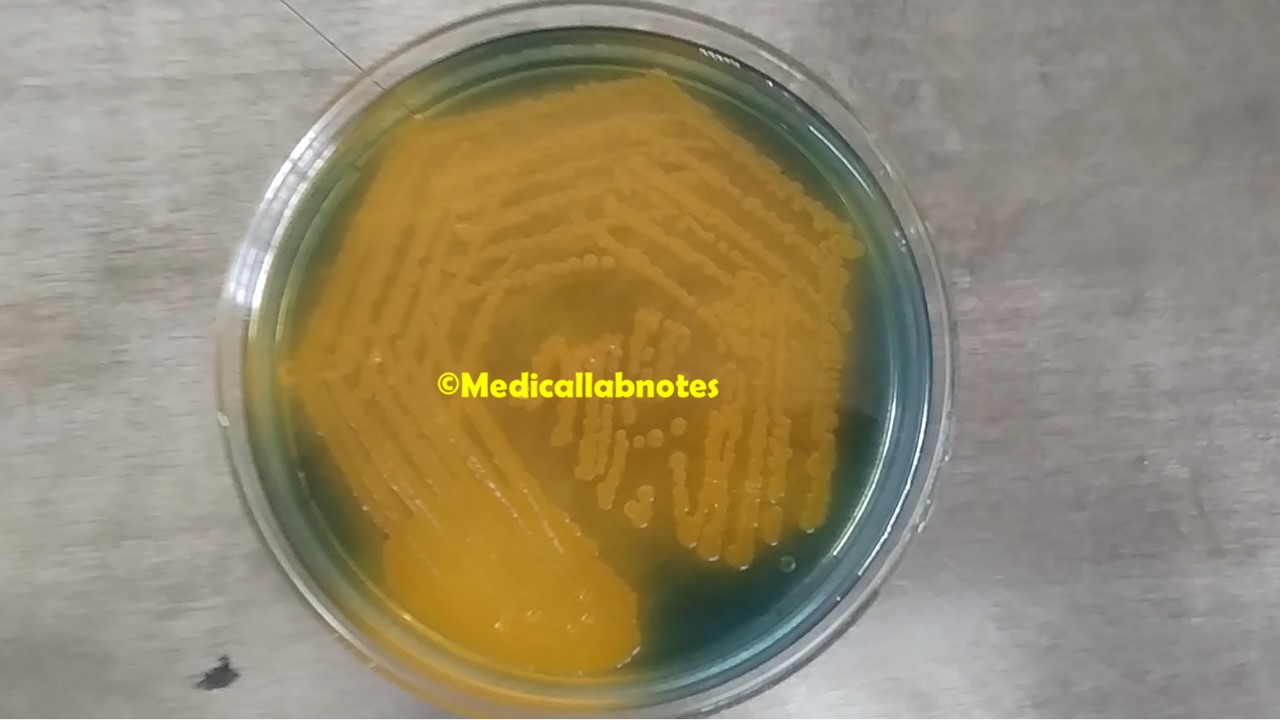
Vibrio cholerae colony morphology on TCBS agar

Introduction of TCBS Agar Vibrio cholerae is the causative agent of cholera and Thiosulfate Citrate bile salts sucrose (TCBS) agar is a selective as well as differential culture medium used for selective isolation of this bacterium including its species from a variety of clinical and nonclinical specimens. TCBS agar …

Read more

Oxidation-Fermentation (OF) Test: Introduction, Composition of the medium, Test Requirements, Principle, Procedure, Result -Interpretation, and Limitations

Fermentation Test Positive and Negative Results of Bacteria

Oxidation-Fermentation (OF) Test Introduction Hugh and Leifson developed an Oxidation-Fermentation (OF) basal medium in 1953. It is a recommended medium for the detection of oxidation or fermentation of carbohydrates by bacteria. This basal medium is useful to aid in the identification of gram-negative bacteria on …

Read more

Indole test: Introduction, Principle, Test Requirements, Procedure, Result -Interpretation, and Keynotes

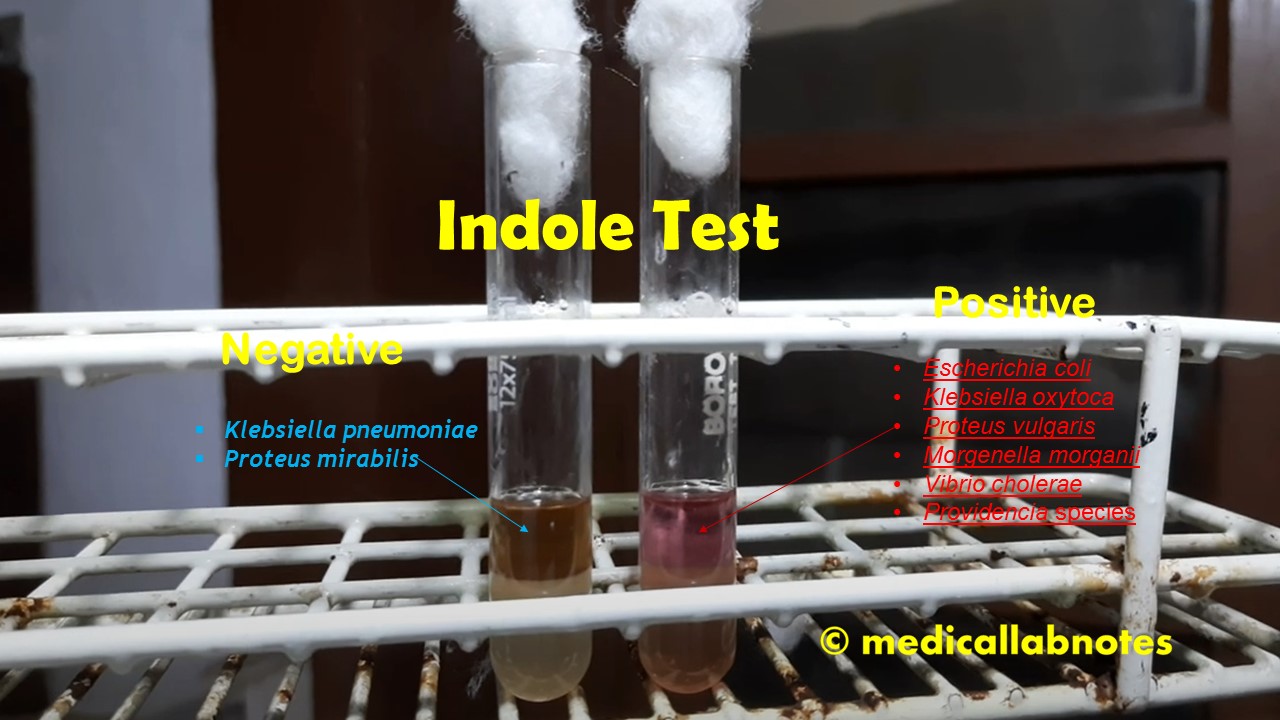
Indole test: Introduction, Principle, Test Requirements, Procedure, Result -Interpretation, and Keynotes

Indole Production test This indole test is useful to identify the bacteria on the basis of indole production. The list of indole-positive organisms is- Principle of Indole test The ability of an organism to split Indole from the amino acid tryptophan is due to the presence of …

Read more

RF Test: Introduction, Principle, Testing Procedure, Result -Interpretation, Normal Range, Clinical Significance, and Keynotes

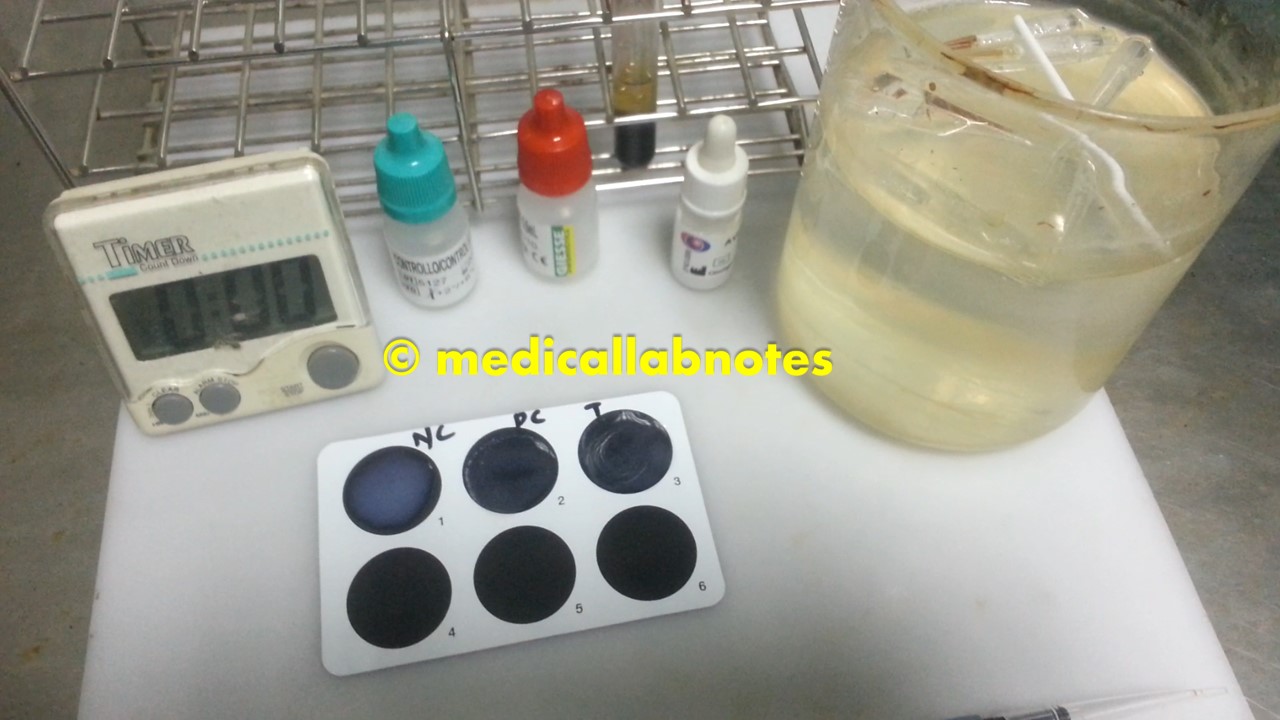
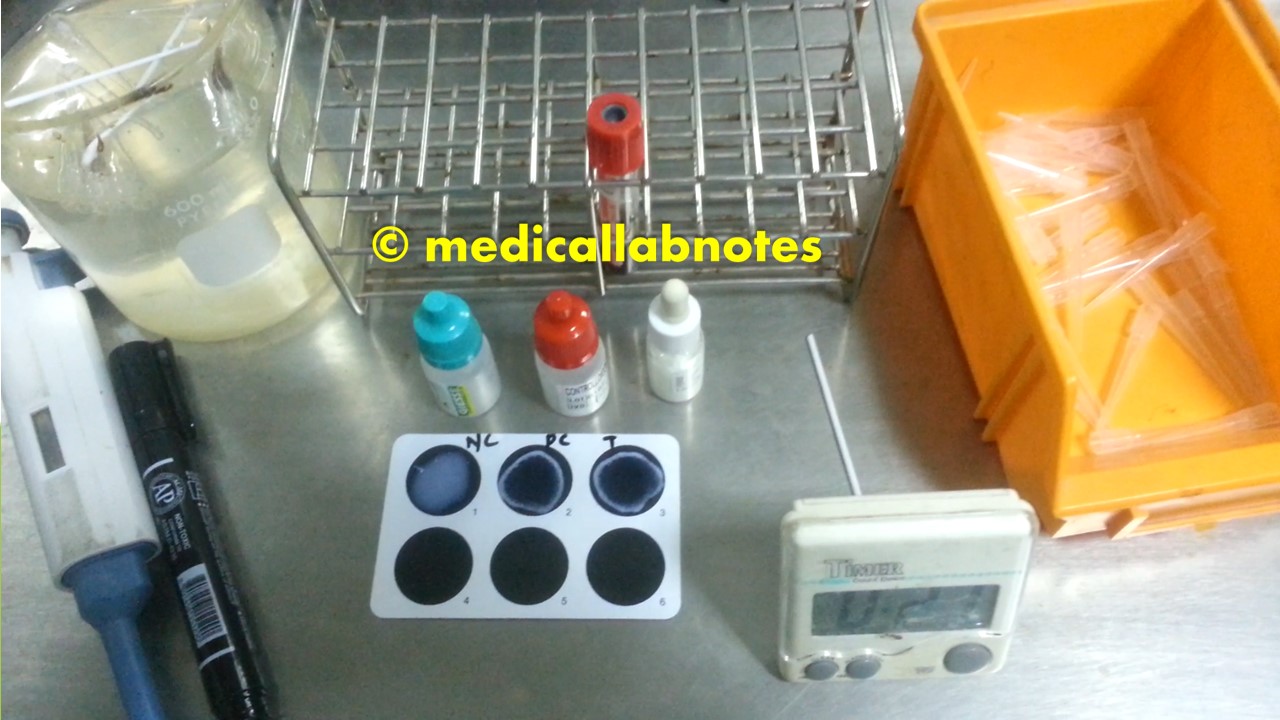
RF Test- Negative Control (NC)-Negative, Positive Control (PC), Test-Positive

Introduction of RF Test RF test uses to detect autoantibody of rheumatoid factor which stands for rheumatoid factor. Rheumatoid arthritis ( RA) is a chronic systemic inflammatory disorder that may affect many tissues and organs like skin, blood vessels, heart, lungs, and muscles but particularly …

Read more

C-Reactive Protein (CRP) Test: Introduction, Principle, Testing Procedure, Result -Interpretation, Normal Range, Clinical Significance, and Other Methods

C-Reactive Protein (CRP) Test: Introduction, Principle, Testing Procedure, Result -Interpretation, Normal Range, Clinical Significance, and Other Methods of Testing

Introduction of C-Reactive Protein (CRP) Test C-Reactive Protein (CRP) is a carbohydrate-reactive protein. The C-Reactive Protein (CRP) Test was so named because it was first identified as a substance in the serum of patients with acute inflammation that reacted with the somatic ‘C’ carbohydrate antigen …

Read more