Trichosporon species: Introduction, Morphology, Medically Important Species, Pathogenicity, Lab Diagnosis, Treatment, Prevention, and Keynotes
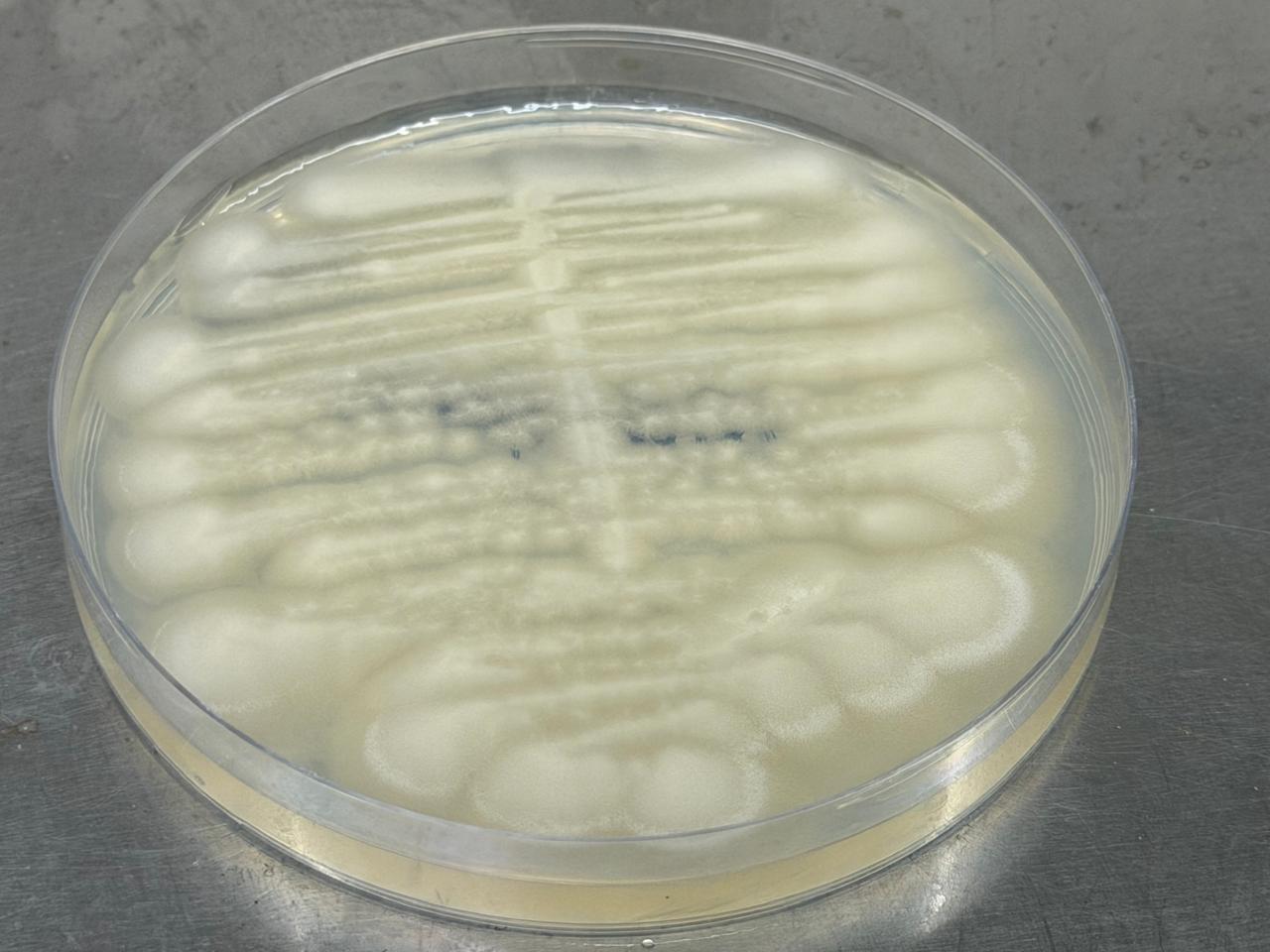
A plastic petri dish containing a light-yellowish, finely wrinkled (cerebriform) and dry Trichosporon microbial culture with a flat, mealy (farinose) covering on PDA agar

Introduction Trichosporon is a genus of anamorphic, yeast-like basidiomycetous fungi widely distributed in nature, particularly in tropical and temperate regions. First identified by Beigel in 1865, it commonly exists as a saprophytic organism in soil, water, plants, and animal droppings. In humans, it is a …

Read more

Cryptococcal Antigen (CrAg) Testing-Introduction, Principle, Sample used, Detection Methods, Clinical Significance, Limitations, and Keynotes

Cryptococcal Antigen (CrAg) Testing-Introduction, Principle, Sample used, Detection Methods, Clinical Significance, Limitations, and Keynotes

Introduction of Cryptococcal Antigen (CrAg) Testing  Cryptococcal antigen (CrAg) testing detects the presence of antigens produced by the Cryptococcus fungus in body fluids, aiding in the diagnosis of cryptococcosis, particularly meningitis. This test helps identify infection early, even before visible symptoms appear, and is crucial for timely …

Read more

Cryptococcus neoformans: Introduction, Morphology, Pathogenicity, Lab Diagnosis, Treatment, Prevention, and Keynotes

Abundant Yeast cells with occasional hyphae of Cryptococcus neoformans in India ink preparation of culture microscopy

Introduction Cryptococcus neoformans is a pathogenic fungus and one of the leading causes of fungal infections in humans. It belongs to the genus Cryptococcus, which includes several species, but C. neoformans is the most clinically significant one. This fungus primarily affects immunocompromised individuals, such as …

Read more