Pichia kudriavzevii-Introduction, Morphology, Pathogenicity, Lab Diagnosis, Treatment, Prevention, and Keynotes
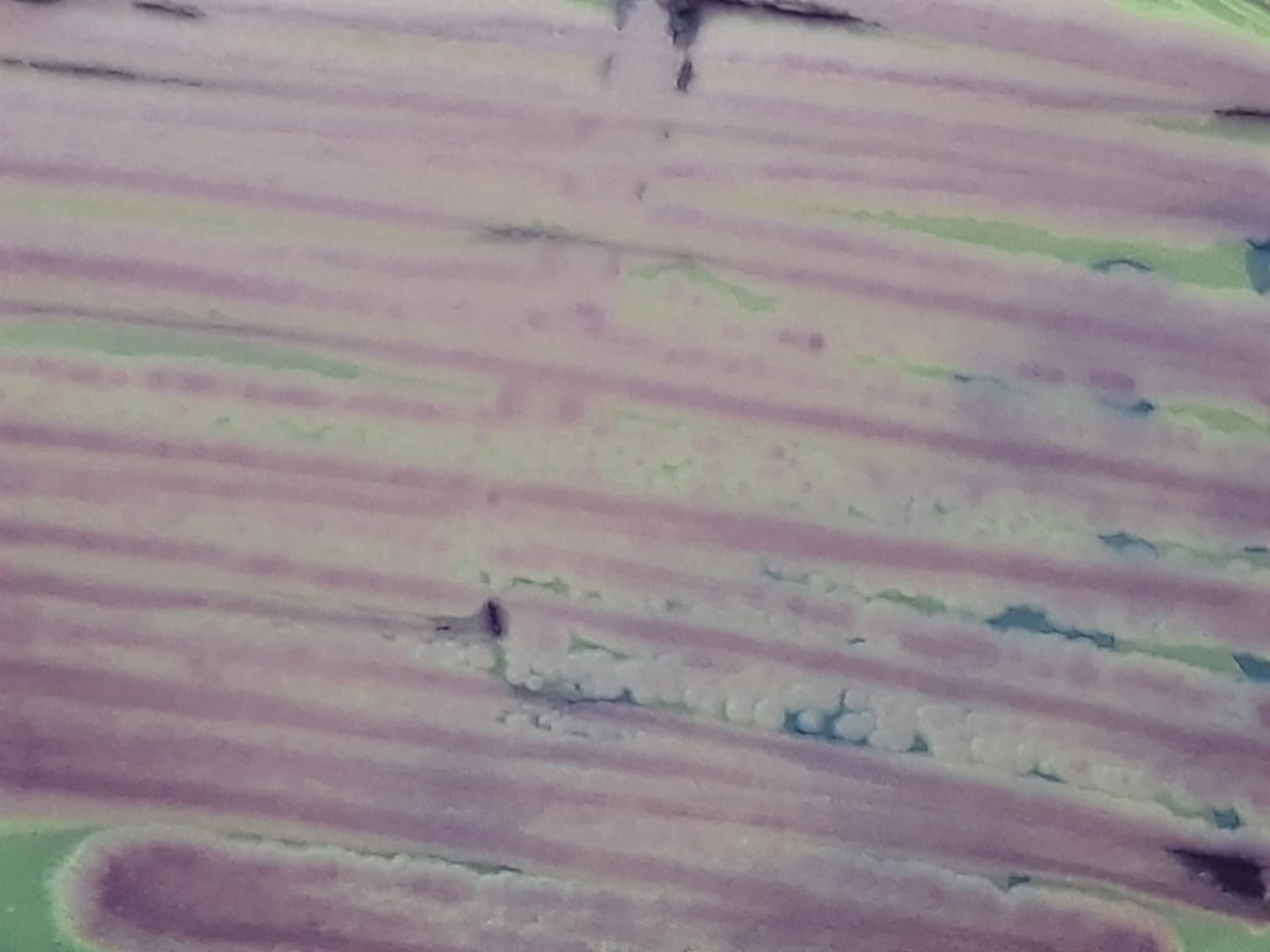
Pichia kudriavzevii growth on HiCrome Candida Differential Agar

Introduction Pichia kudriavzevii, formerly known as Candida krusei, is a unique budding yeast that holds a dual status as both a critical industrial organism and an emerging opportunistic pathogen.  Taxonomy: It is the teleomorph (sexual state) of Candida krusei. It has also been historically known as Issatchenkia orientalis. …

Read more

Blood Culture–Positive Yeasts: Introduction, Common molds, Comparison, and Keynotes

Gram-positive budding yeast-like cells, oval to elongated, arranged singly, in pairs, and in short pseudohyphae-like forms in Gram staining of culture microscopy at a magnification of 4000X

Introduction Unlike molds, yeasts are the most commonly recovered fungi in blood cultures. Candidemia is among the leading causes of bloodstream infections in immunocompromised and critically ill patients. Yeasts such as Candida, Cryptococcus, and Trichosporon are responsible for significant morbidity and mortality. Blood culture positivity …

Read more

Penicillium vs Paecilomyces: Introduction, Detailed Comparison, Pathogenicity, Lab Diagnosis, Treatment, Prevention, and Keynotes

Penicillium typical structure in LPCB preparation

Introduction of Penicillium vs Paecilomyces Penicillium is a ubiquitous, saprophytic mold found in soil, air, and decaying organic matter. Known for producing the first antibiotic, penicillin, it is typically non-pathogenic but occasionally causes opportunistic infections in immunocompromised hosts. Paecilomyces (especially P. lilacinus and P. variotii) …

Read more

Candida albicans vs. Candida dubliniensis: Introduction, Differences, and Keynotes

Candida albicans growth on Sabouraud dextrose agar (SDA)

Introduction of Candida albicans vs. Candida dubliniensis Both Candida albicans and Candida dubliniensis are closely related yeast species belonging to the genus Candida.They share similar morphological features but differ in pathogenicity, epidemiology, and phenotypic characteristics. Differences Between C. albicans and C. dubliniensis Feature Candida albicans …

Read more

Candida auris Screening in a Simple Setup: Introduction, When to Suspect it, Identification Methods,Confirmatory Identification, and Summary Table

Candida auris colony morphology

Introduction of Candida auris Screening in a Simple Setup Candida auris Screening in a Simple Setup is possible to presumptively identify Candida auris in a simple laboratory setup, though definitive identification typically requires advanced methods. In resource-limited or basic clinical microbiology labs, we can still …

Read more