Direct Microscopy-India Ink smear-Introduction, Uses, and Keynotes
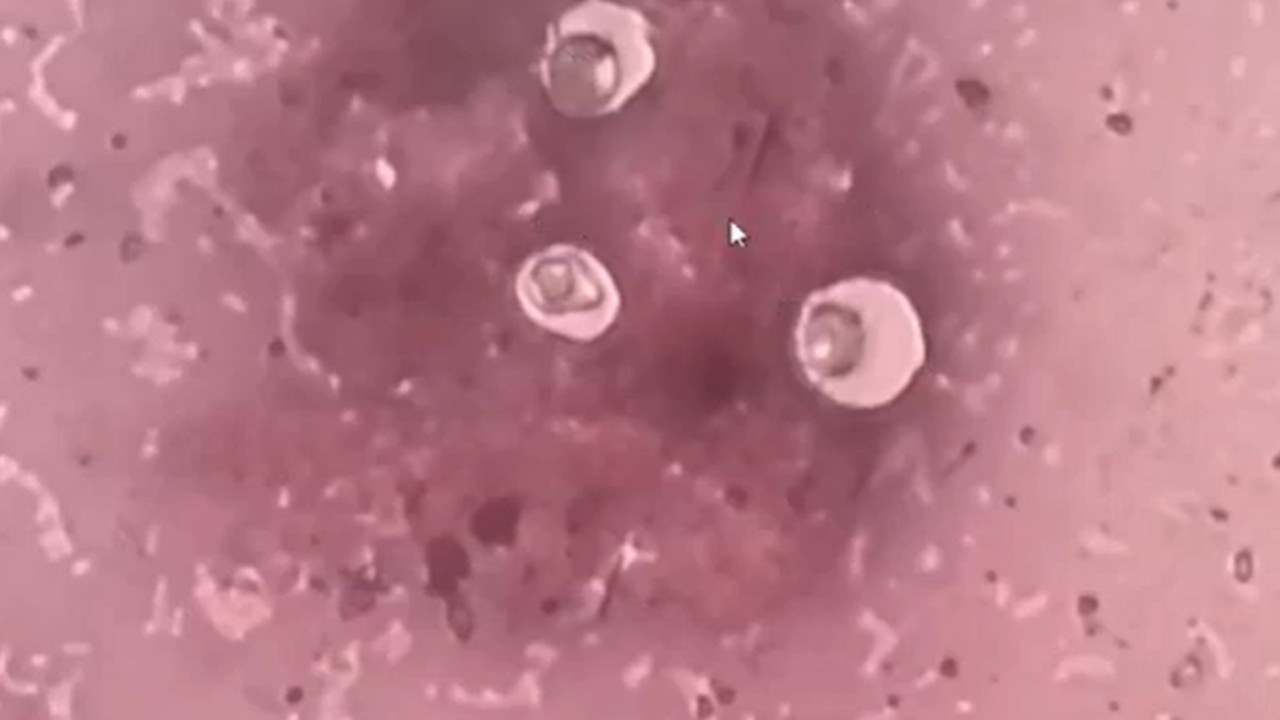
Direct Microscopy-India Ink smear showing encapsulated yeast cells

Introduction India Ink Smear is a direct microscopic technique used for the rapid identification of encapsulated fungi, particularly Cryptococcus neoformans and Cryptococcus gattii, in clinical specimens such as cerebrospinal fluid (CSF), sputum, and urine. This simple, rapid, and cost-effective test allows visualization of the thick …

Read more

Blood Culture–Positive Yeasts: Introduction, Common molds, Comparison, and Keynotes

Gram-positive budding yeast-like cells, oval to elongated, arranged singly, in pairs, and in short pseudohyphae-like forms in Gram staining of culture microscopy at a magnification of 4000X

Introduction Unlike molds, yeasts are the most commonly recovered fungi in blood cultures. Candidemia is among the leading causes of bloodstream infections in immunocompromised and critically ill patients. Yeasts such as Candida, Cryptococcus, and Trichosporon are responsible for significant morbidity and mortality. Blood culture positivity …

Read more

Cryptococcus: Introduction, Morphology, Pathogenicity, Lab Diagnosis, Treatment, Prevention, and Keynotes

Cryptococcus: Introduction, Morphology, Pathogenicity, Lab Diagnosis, Treatment, Prevention, and Keynotes

Introduction Cryptococcus is a genus of fungi that includes several species, the most common of which is Cryptococcus neoformans. These fungi are widely distributed in the environment, particularly in soil and bird droppings. Cryptococcus species are known for causing opportunistic infections, primarily affecting individuals with …

Read more