HiCrome Candida Differential Agar: Introduction, Principle, Test Requirement, Procedure, Result-Interpretation, and Keynotes
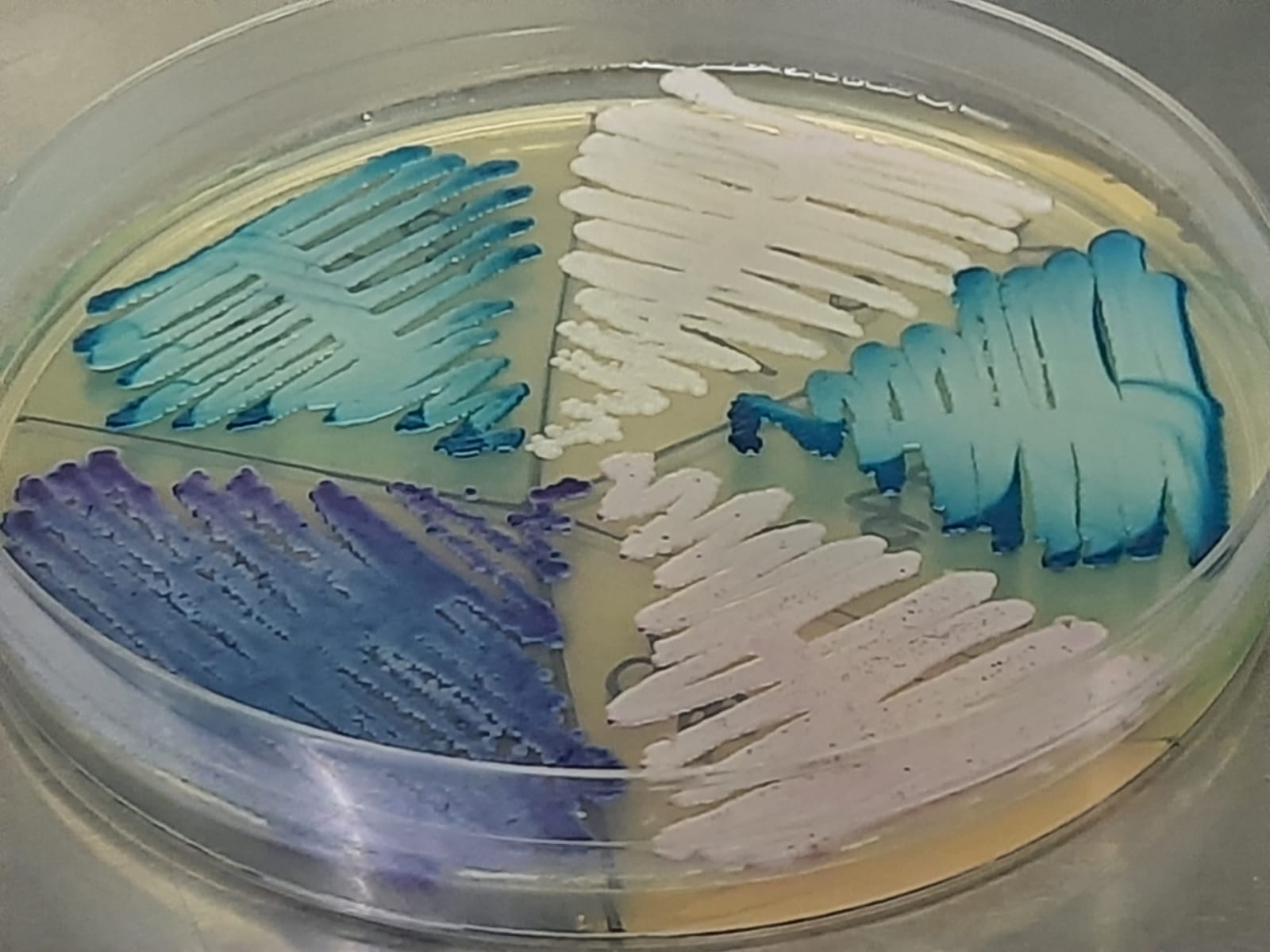
Various Candida species growth on HiCrome Candida Differential Agar after 4 days of incubation

Introduction HiCrome™ Candida Differential Agar is a specialized chromogenic medium used in clinical microbiology for the rapid isolation and presumptive identification of Candida species. The medium is designed to differentiate between major Candida species—Candida albicans, Candida tropicalis, Candida krusei (Pichia kudriavzevii), and Candida glabrata—based on colony color and morphology within 48 hours. …

Read more

Leucine Crystals: Introduction, Identification Features, and Clinical Significance

Leucine crystal in urine microscopy at a magnification of 1600X

Introduction Leucine crystals are rare urinary findings that typically appear in patients with severe liver disease, such as advanced cirrhosis, severe hepatitis, or metabolic disorders like maple syrup urine disease. They form in acidic urine and indicate a disturbance in amino acid metabolism. Identification Features …

Read more

Urate Crystals: Introduction, Identification Features, and Clinical Significance

Uriate crystals in urinary sediment microscopic examination at a magnification of 1600X

Introduction Urate crystals, also referred to as uric acid crystals, are metabolic by-products of purine metabolism found in urine. They are frequently observed during urine microscopy, especially in patients with altered pH, dehydration, or metabolic disorders. Their presence can be physiological in concentrated urine or …

Read more

Diagnostic Challenge: LD Bodies vs Pneumocystis Vs Histoplasma in Giemsa-Stained BAL

Found in Giemsa staining of BAL-Possible pathogen?

Found in Giemsa staining of BAL. Possible pathogen? Morphological Features (Center) Possible Pathogen Supporting Features for Pneumocystis Recommendations Is it possible to be LD bodies? Based on the Giemsa-stained BAL image: The central violet-stained cluster of intracellular forms could resemble Leishman-Donovan (LD) bodies, especially in …

Read more

Troponin I Test-Introduction, Test Result, Unit, Reference Range, Test Methods, Clinical Significance, and Keynotes

Troponin I Test-Introduction, Test Result, Unit, Reference Range, Test Methods, Clinical Significance, and Keynotes

Introduction The Troponin I Test is a crucial diagnostic tool in cardiology. Here’s an introduction: Troponin I Test: An Overview 1. What is Troponin I? 2. Purpose of the Test: 3. Clinical Utility: 4. Procedure: 5. Interpretation: 6. Advantages Over Other Markers: 7. Considerations: Test …

Read more

Aldolase Test-Introduction, Test Result, Unit, Reference Range, Test Methods, Clinical Significance, and Keynotes

Introduction The Aldolase Test measures the level of the enzyme aldolase in the blood, which can indicate muscle damage. Here’s a basic outline of the test result, unit, reference range, and test methods: Aldolase Test Test Result, Unit, Reference Range, and Test Methods The Aldolase …

Read more

Neuron-Specific Enolase (NSE) Blood Test-Introduction, Test Result, Unit, Reference Range, Test Methods, Clinical Significance, and Keynotes

Introduction The Neuron-Specific Enolase (NSE) Blood Test is a medical diagnostic test used to measure the level of neuron-specific enolase, an enzyme found in neurons, in a patient’s blood. This test is valuable in various clinical settings, particularly in neurology and oncology, and it provides …

Read more

Scrub Typhus IgM Test: Introduction, Test Result, Test Method, Clinical Significance, and Keynotes

Testing Scrub Typhus Antibodies (IgM and IgG) at home

Introduction The Scrub Typhus IgM test is a diagnostic assay used to detect IgM antibodies against the bacteria Orientia tsutsugamushi, which causes scrub typhus, a vector-borne infectious disease. It is prevalent in certain parts of Asia, the Pacific Islands, and other regions with heavy vegetation …

Read more