
Introduction
Table of Contents
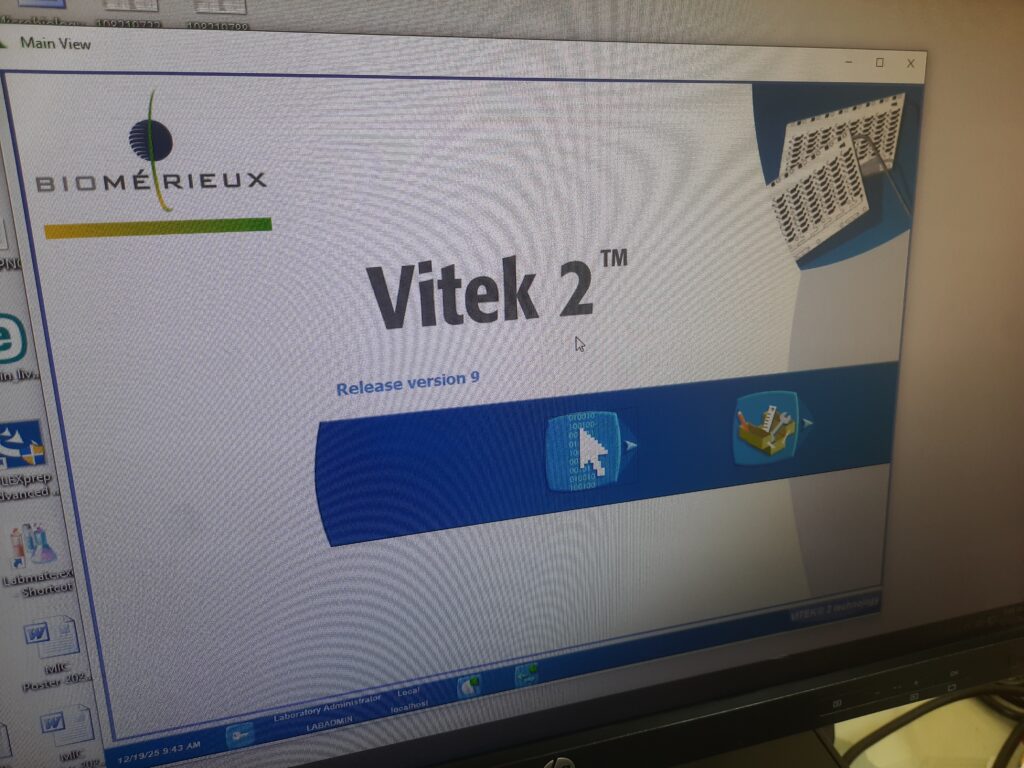
The VITEK 2 System is an automated microbiology platform designed for the rapid identification (ID) and antimicrobial susceptibility testing (AST) of a wide range of microorganisms. It utilizes miniaturized, closed cards that enhance lab safety and streamline workflow.
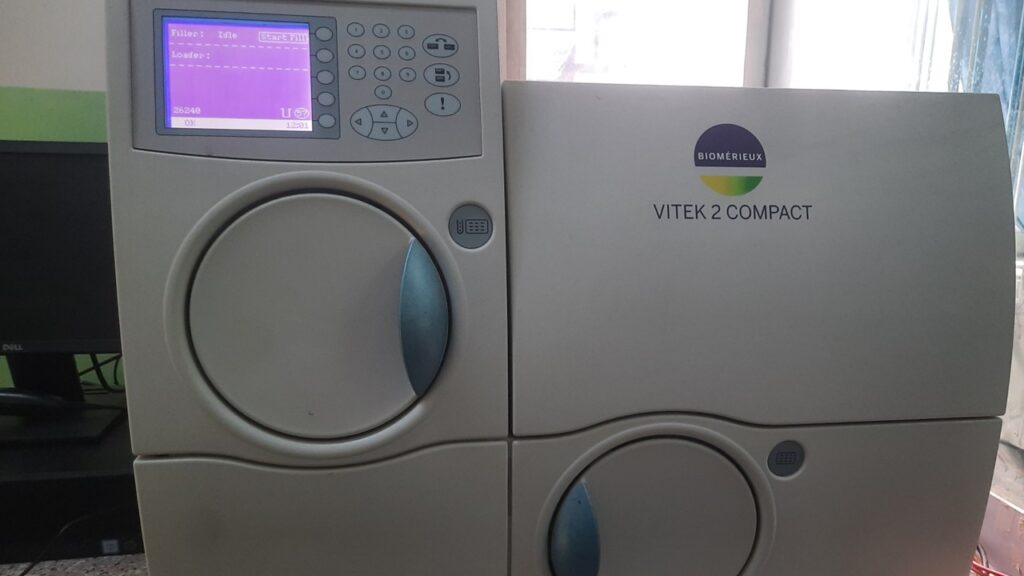
The VITEK 2 cards are lightweight, credit-card-sized consumables containing 64 micro-wells pre-filled with dehydrated substrates or antibiotics. This system reduces manual labor and provides species-level results significantly faster than traditional phenotypic methods.
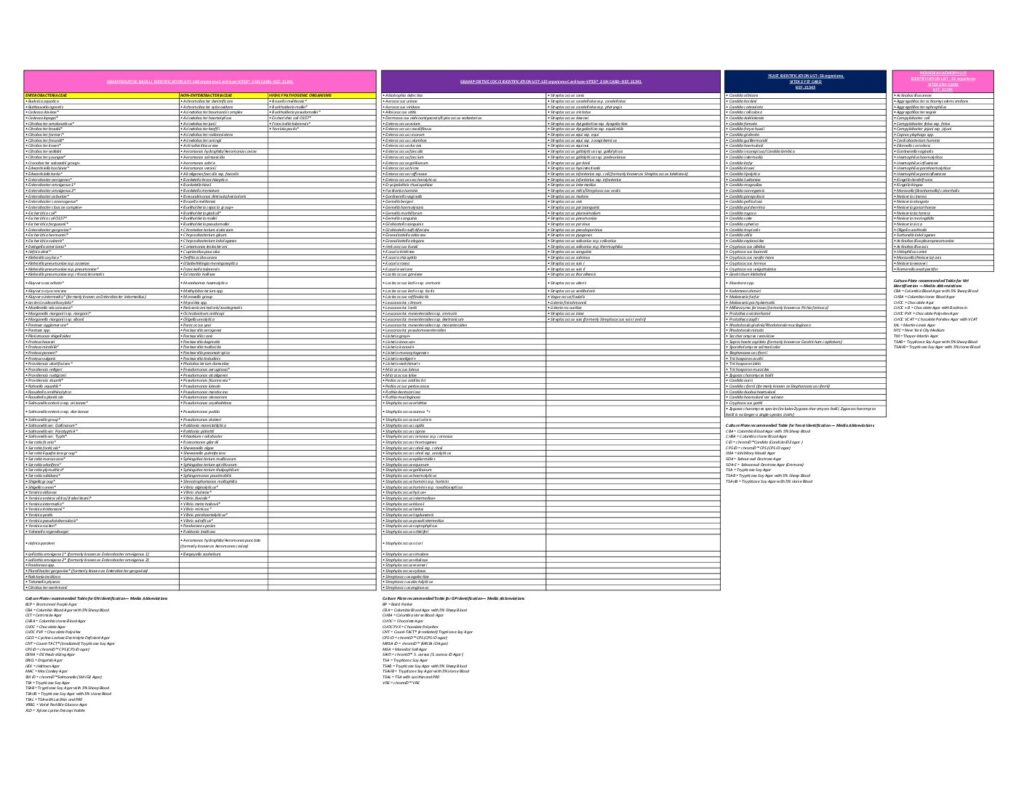
Organisms List by Card Type
The system identifies hundreds of species across several specialized card types:
- GN (Gram-Negative): Identifies over 150-200 taxa, including Enterobacteriaceae and non-fermenting bacilli.
- GP (Gram-Positive): Identifies over 120-135 taxa, including Staphylococci, Streptococci, and Enterococci.
- YST (Yeast): Identifies approximately 50-60 species of yeasts and yeast-like organisms.
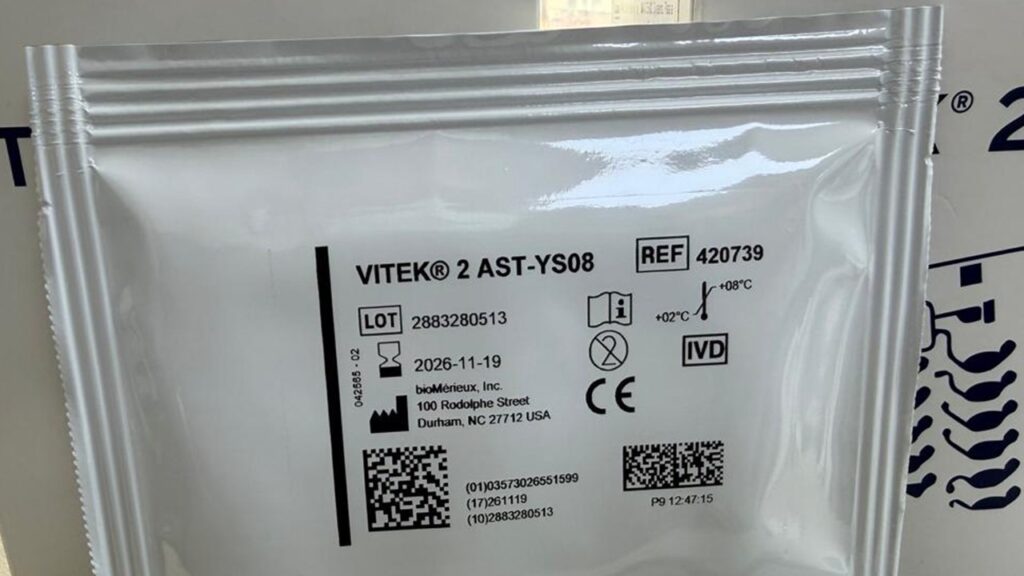
- ANC (Anaerobes): Identifies anaerobes and coryneform bacteria.
- NH (Neisseria/Haemophilus): Targets fastidious Gram-negative bacilli like Neisseria, Haemophilus, and HACEK organisms.
- BCL: Specifically for Gram-positive spore-forming bacilli.
Principle
The VITEK 2 system operates on two primary technologies:
- Advanced Colorimetry (Identification): Measures light transmission or fluorescence changes as organisms metabolize substrates in the card wells.
- Turbidimetry (Susceptibility): Monitors organism growth in the presence of varying antibiotic concentrations to determine the Minimum Inhibitory Concentration (MIC).
Identification Procedure
- Suspension Preparation: Transfer pure colonies from a culture plate into 3.0 mL of sterile saline.
- Turbidity Adjustment: Use a DensiCHEK meter to ensure the inoculum density matches required standards (typically 0.50–0.63 McFarland for bacteria; 1.8–2.2 for yeast).
- Loading: Place the suspension tube and the ID card into a cassette; then insert a transfer tube (straw) to connect the card to the suspension.
- Filling and Sealing: The instrument uses a vacuum to fill the 64 wells, then automatically seals the card.
- Incubation and Reading: Cards are incubated at 35.5°C and read every 15 minutes by the optical system.
Result Interpretation
The system compares the metabolic “fingerprint” of the sample against an extensive database. Confidence levels categorize results:
- Excellent (96-99%): High probability identification.
- Very Good to Acceptable (85-95%): Reliable identification.
- Low Discrimination: The system cannot distinguish between 2-3 organisms and may suggest “off-line” supplemental tests (e.g., Gram stain, oxidase).
- Inconsistent/Unidentified: Results do not match known phenotypes, often due to mixed cultures or technical issues.
Keynotes
- Advanced Expert System (AES): A critical software component that validates MIC results against known resistance mechanisms to ensure clinical accuracy.
- Pure Culture Requirement: Only use well-isolated, pure colonies; mixed cultures will lead to “Inconsistent” or “Qualified” results.
- Time Savings: Identifications are typically completed within 2–10 hours, significantly shorter than overnight manual methods.
- Safety: The closed-card design minimizes aerosolization and personal contamination risks.
Further Readings
- https://www.biomerieux.com/content/dam/biomerieux-com/03—-our-offer/clinical/in-hospital–in-lab/products/vitek-2/documents/VITEK2-ID-AST-Cards.pdf
- https://medicallabnotes.com/vitek-2-compact-system-introduction-testing-requirements-testing-procedure-result-interpretation-and-keynotes/
- https://www.biomerieux.com/us/en/our-offer/clinical-products/vitek-2.html
- https://www.biomerieux.com/corp/en/our-offer/clinical-products/vitek-2.html
- https://www.scribd.com/presentation/555665696/Principles-and-Methodology-of-Vitek-2-Compact-In
- https://pmc.ncbi.nlm.nih.gov/articles/PMC2168501/
- https://pmc.ncbi.nlm.nih.gov/articles/PMC9927136/
- https://pmc.ncbi.nlm.nih.gov/articles/PMC104958/
- https://live-biotherapeutic.creative-biolabs.com/vitek-system-for-biochemical-identification.htm
- https://store.pda.org/TableOfContents/ERMM_V2_Ch01.pdf
- https://www.scribd.com/document/719642392/Sample-Processing-in-VITEK-2-Compact-1
- https://pmc.ncbi.nlm.nih.gov/articles/PMC1393156/