Molecular Typing of Fungi: Introduction, Common Molecular Typing Method, and Application
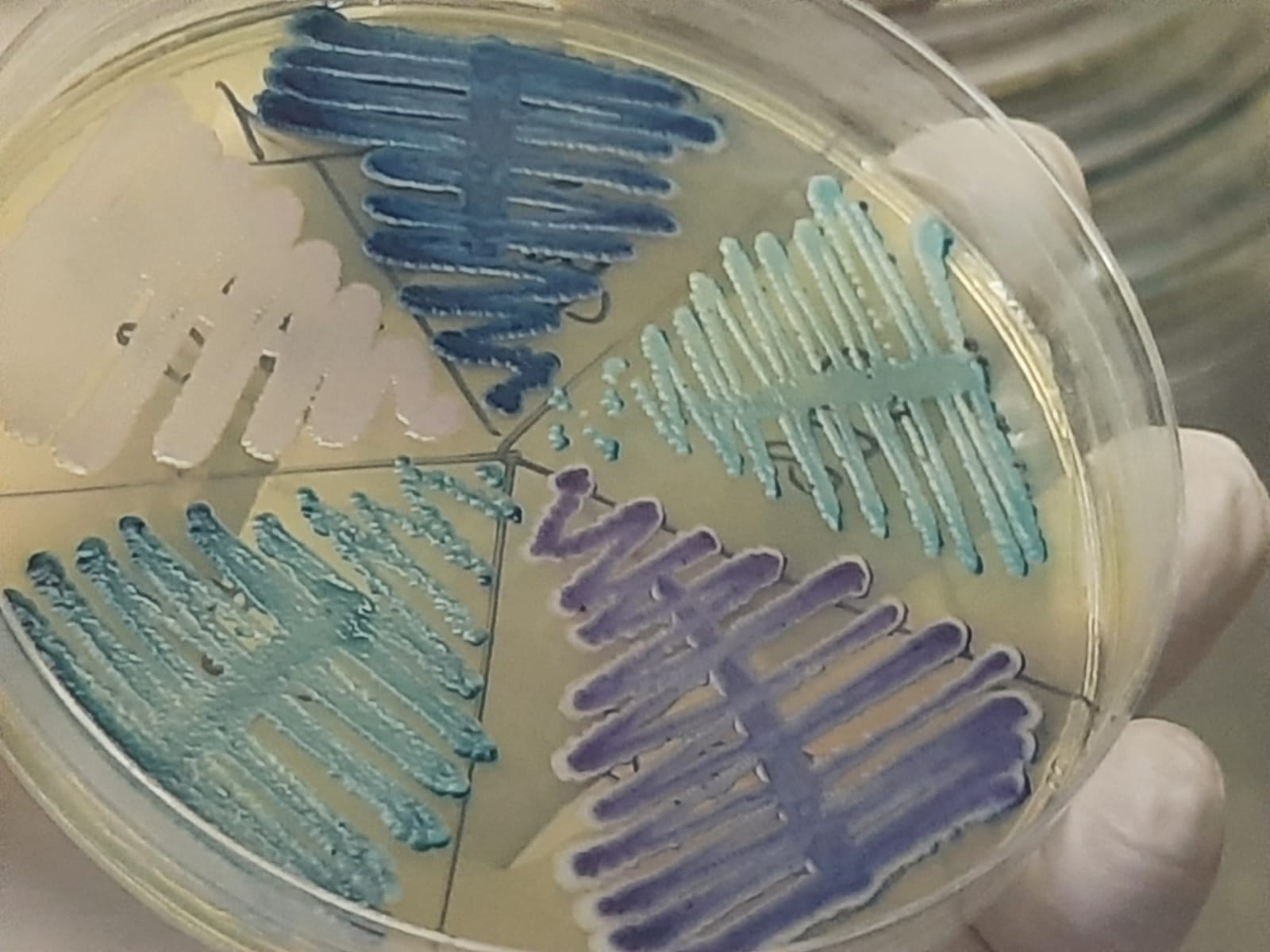
Various Candida species growth on HiCrome Candida Differential Agar

Introduction Molecular typing of fungi uses DNA-based methods to identify species and differentiate strains for clinical, epidemiological, and environmental studies. Key techniques include Internal Transcribed Spacer (ITS) sequencing (the standard for identification), Multilocus Sequence Typing (MLST), restriction fragment length polymorphism (RFLP), and Whole Genome Sequencing (WGS). These methods are crucial for tracking …

Read more

Fungal Identification by PCR-Sequencing (Sanger): Introduction, Principle, Clinical Significance, and Keynotes

Pure culture of Candida

Introduction Accurate identification of fungi is critical for clinical, environmental, and epidemiological purposes. Traditional culture and morphology-based methods are time-consuming and may misidentify cryptic or closely related species. PCR amplification followed by Sanger sequencing of conserved genetic loci (e.g., ITS, 18S rRNA, 28S rRNA, β-tubulin, …

Read more

Fungal Identification by NGS: Introduction, Principle, Test Methods, Test Procedure, Result-Interpretation, Clinical Significance, and Keynotes

PCR products of fungal DNA from pure culture after amplification with primers

Introduction Fungal identification by NGS (Next-Generation Sequencing) uses advanced DNA sequencing. Moreover, it rapidly detects diverse fungal species. It enhances diagnostic accuracy. Additionally, it supports personalized treatment decisions. Principle NGS sequences fungal DNA directly. Consequently, it generates millions of short DNA reads. Then, bioinformatics tools …

Read more

Fungal Typing, Sequencing, and AFLP in Clinical Mycology Lab-Introduction, Purpose, Method, Application, and Conclusion

Various Candida species growth on Chromagar-Candida albicans, Candida krusie, Candida tropicalis, and Candida glabrata

Introduction to Advanced Molecular Techniques in Clinical Mycology Clinical mycology laboratories play a crucial role in diagnosing and managing fungal infections. Traditional methods like culture and microscopy are often complemented by advanced molecular techniques to improve the accuracy and speed of fungal identification. Among these …

Read more