
Evaluate the Clinical Context
Table of Contents
- Symptoms & signs:
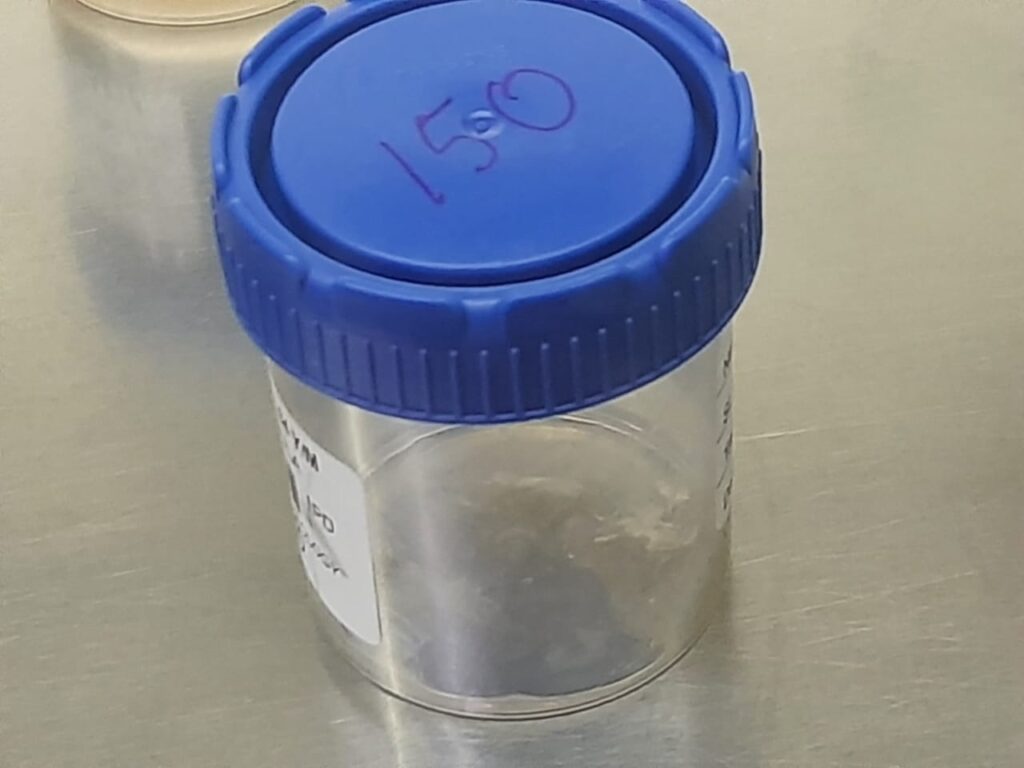
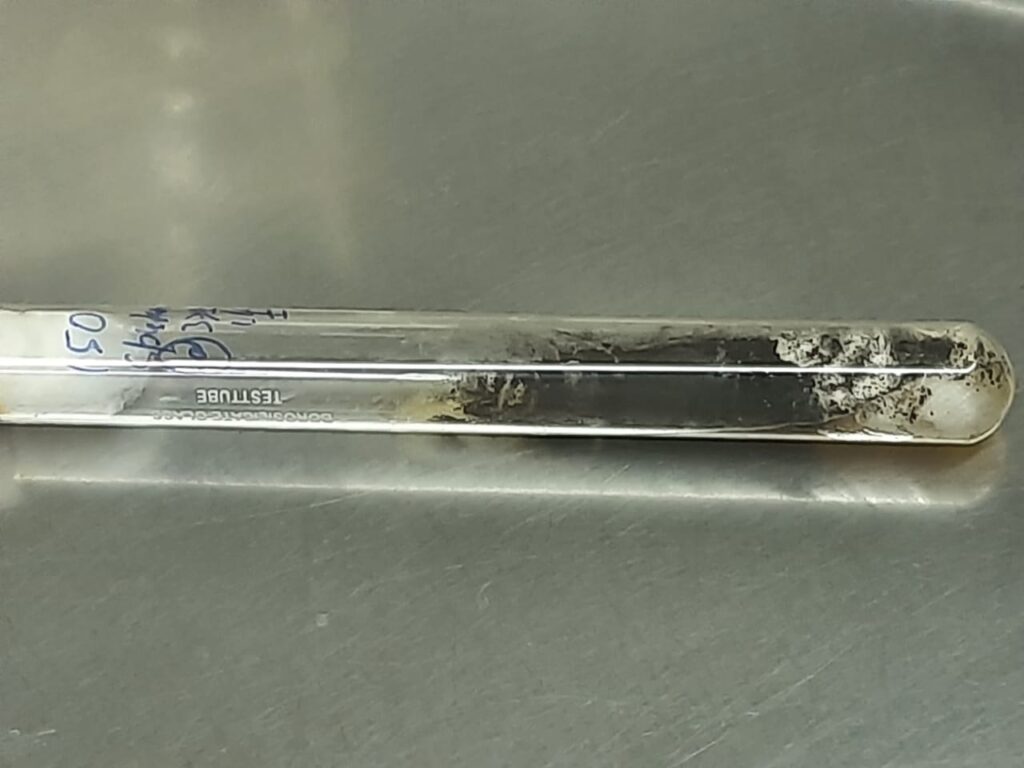


- Respiratory samples (sputum/BAL): cough, hemoptysis, dyspnea, fever, radiological evidence (e.g., nodules, halo sign, cavitation).
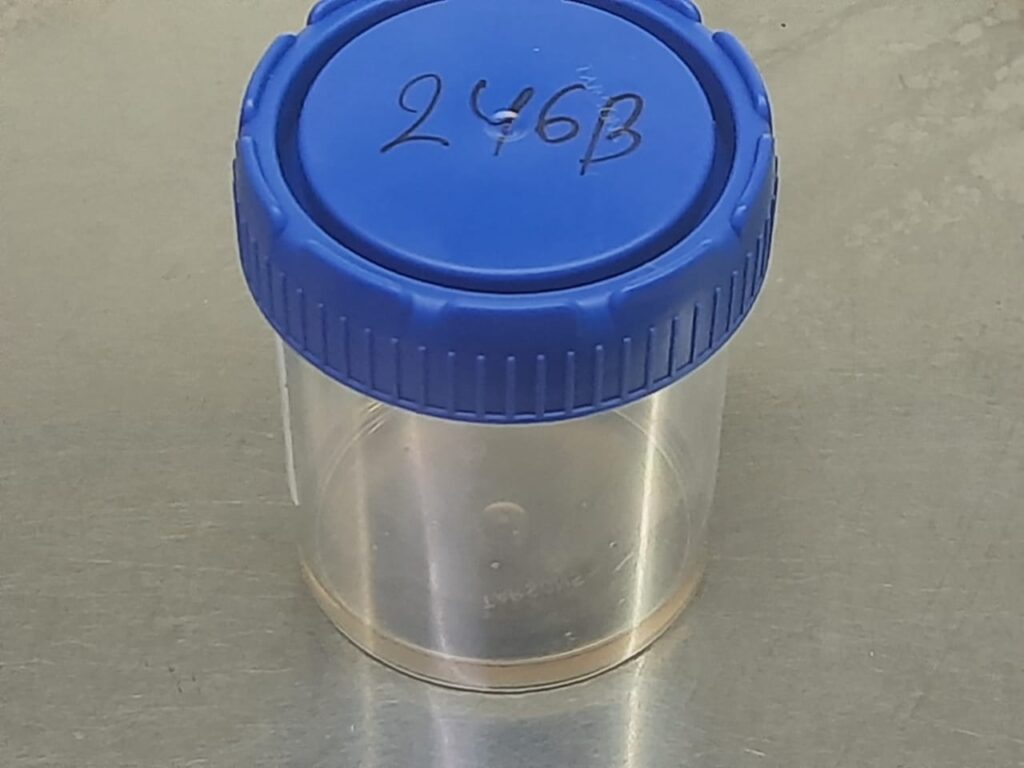

- Urine samples: dysuria, flank pain, fever, or imaging evidence of urinary tract fungal balls or obstruction.
- Underlying risks include neutropenia, prolonged corticosteroid use, hematologic malignancy, chemotherapy, and post-transplant status, which greatly increase the likelihood of invasive disease.
Sample Collection & Repeatability
- Repeat cultures: True infection is more likely if A. niger is isolated repeatedly from properly collected specimens (e.g., midstream urine, sterile container, or BAL).
- Multiple sites: Growth from both sterile sites and non-sterile sites increases significance.
- Avoid environmental contamination: Ensure proper specimen handling, no prolonged exposure to air before plating.
Microscopy & Direct Detection
- KOH/Calcofluor mount: Demonstration of septate hyphae with dichotomous branching in direct sample (not just culture) supports infection.
- Tissue biopsy, with histopathology showing hyphae invading the tissue, is the gold standard for diagnosis.
- Urine microscopy: Hyphae seen directly in a fresh, uncentrifuged sample can support infection rather than contamination.
Quantitative Culture & Sterility of Site
- Sterile site isolation (e.g., urine from catheter directly into sterile container, BAL from bronchoscopy without upper airway contamination) is more significant.
- Heavy, pure growth in culture plates is more likely to cause infection than scanty, mixed growth.
Serological & Molecular Evidence
- Galactomannan antigen (serum, BAL) — positive in invasive aspergillosis.
- PCR detection — specific for A. niger or pan-Aspergillus.
- β-D-glucan assay — positive in most invasive mold infections (not specific).

Radiological Correlation
- Chest CT: Halo sign, air crescent sign, consolidation, cavitary lesions.
- Renal imaging (USG/CT): Fungus balls, hydronephrosis, filling defects.
Practical Interpretation Framework
| Finding | Likely Contaminant | Possible Colonizer | Likely Pathogen |
|---|---|---|---|
| Single isolate from 1 sample | ✅ | ✅ | ❌ |
| Repeated isolation from multiple properly collected samples | ❌ | ✅ | ✅ |
| Direct microscopy/tissue shows hyphae | ❌ | ❌ | ✅ |
| Sterile site growth + clinical symptoms | ❌ | ❌ | ✅ |
| Immunocompromised patient + radiologic signs + positive antigen/PCR | ❌ | ❌ | ✅ |
“In our cohort, Aspergillus niger was considered a true etiologic agent when repeatedly isolated from properly collected specimens, supported by compatible clinical findings, radiologic evidence, and direct demonstration of fungal hyphae in patient samples or tissues. Single, incidental isolates without supportive evidence were classified as probable contaminants or colonizers.”
Decision Chart: Classification of Aspergillus niger Isolates
| Step | Criteria | Interpretation |
|---|---|---|
| 1 | Specimen type — sterile site (e.g., urine from catheter, BAL, biopsy tissue) vs. non-sterile (expectorated sputum) | Sterile site growth → more likely pathogen |
| 2 | Repeat isolation — same patient, ≥2 separate samples, proper collection | Repeat positives → infection more likely |
| 3 | Direct microscopy (KOH/Calcofluor, histopathology) — septate hyphae with dichotomous branching seen | Positive microscopy → supports true infection |
| 4 | Clinical signs/symptoms — fever, cough, hemoptysis, urinary symptoms, organ-specific findings | Symptoms present → stronger evidence |
| 5 | Radiological correlation — chest CT (halo sign, nodules, cavitation), renal USG/CT (fungus ball) | Imaging consistent → increases probability |
| 6 | Serology/molecular — Galactomannan, β-D-glucan, Aspergillus PCR positive | Positive test → strong infection evidence |
| 7 | Immune status — neutropenia, hematologic malignancy, chemotherapy, transplant, corticosteroid use | Immunocompromised → higher infection risk |

Classification Outcome
- Pathogen (True infection): Meets ≥4 strong criteria, including either sterile site isolation or direct microscopy evidence.
- Colonizer: Meets some criteria but no tissue invasion or sterile site isolation; often seen in chronic lung disease.
- Contaminant: Single isolation, non-sterile sample, no clinical/radiologic/microscopic support.
- “Isolates of Aspergillus niger were classified as true pathogens if repeatedly recovered from clinically relevant specimens with supportive clinical, radiological, and/or histopathological evidence. Isolates without such correlation were categorized as colonizers or contaminants.”
Further Readings
- https://pmc.ncbi.nlm.nih.gov/articles/PMC4967602/
- https://www.researchgate.net/publication/322010101_Challenges_and_Solution_of_Invasive_Aspergillosis_in_Non-neutropenic_Patients_A_Review
- https://www.clinicalmicrobiologyandinfection.com/article/S1198-743X(18)30051-X/fulltext
- https://pmc.ncbi.nlm.nih.gov/articles/PMC6860006/
- https://www.canada.ca/en/environment-climate-change/services/evaluating-existing-substances/screening-assessment-aspergillus-awamori-strain-aspergillus-brasiliensis-strain.html
- https://www.cancernetwork.com/view/infectious-complications
- https://emedicine.medscape.com/article/300341-overview
- https://www.clinicalmicrobiologyandinfection.com/article/S1198-743X(18)30051-X/pdf
- https://ejb.springeropen.com/articles/10.1186/s43168-023-00178-6
Fantastic read! 👏 I really appreciate how clearly you explained the topic—your writing not only shows expertise but also makes the subject approachable for a wide audience. It’s rare to come across content that feels both insightful and practical at the same time. At explodingbrands.de we run a growing directory site in Germany that features businesses from many different categories. That’s why I truly value articles like yours, because they highlight how knowledge and visibility can create stronger connections between people, services, and opportunities.Keep up the great work—I’ll definitely be checking back for more of your insights! 🚀