
Introduction
Table of Contents
The Quick-DNA™ Fungal/Bacterial Miniprep Kit is designed for the simple and rapid extraction of high-quality genomic DNA from organisms that are notoriously tough to lyse.
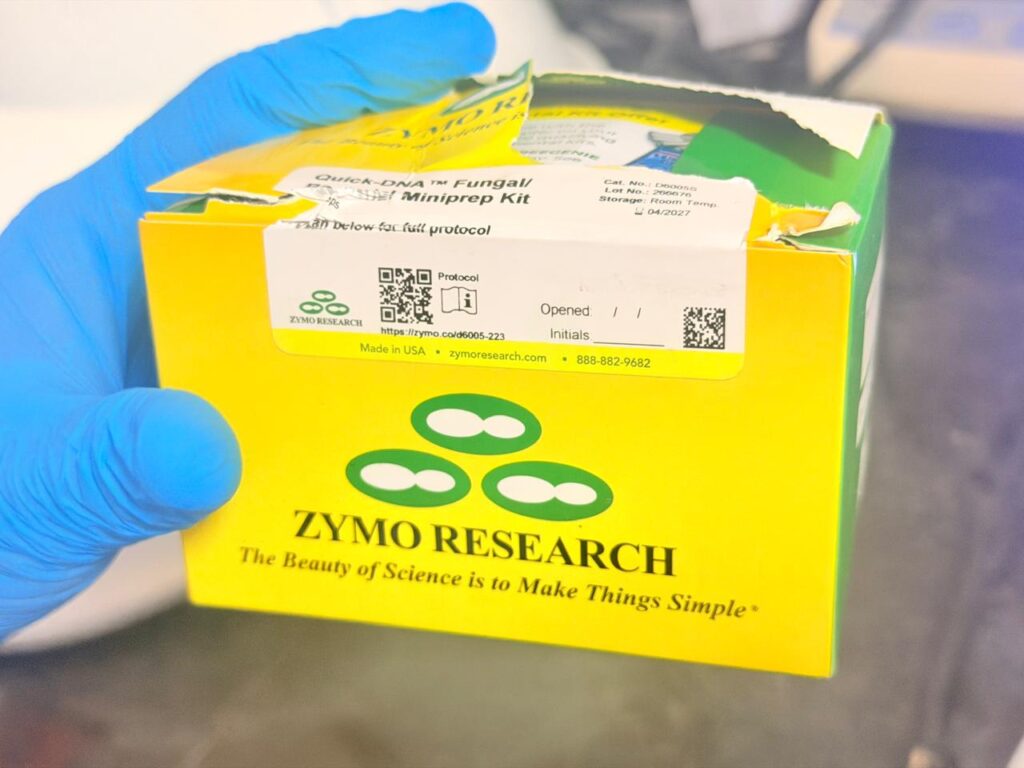
The entire process is engineered to bypass tedious enzymatic steps, completing extraction in as little as 15 to 20 minutes. It successfully extracts intact nucleic acids from challenging samples like Aspergillus fumigatus, Candida albicans, Saccharomyces cerevisiae, mycelium, and both Gram-positive and Gram-negative bacteria.
Principle
- Mechanical Lysis (Bead Beating): The system relies on fracture-resistant, chemically inert, ultra-high-density BashingBeads™ to physically break open tough cell walls and membranes.
- No Harsh Chemicals: The kit entirely omits organic denaturants (like phenol/chloroform) and proteinases, making it safer and reducing chemical carryover.
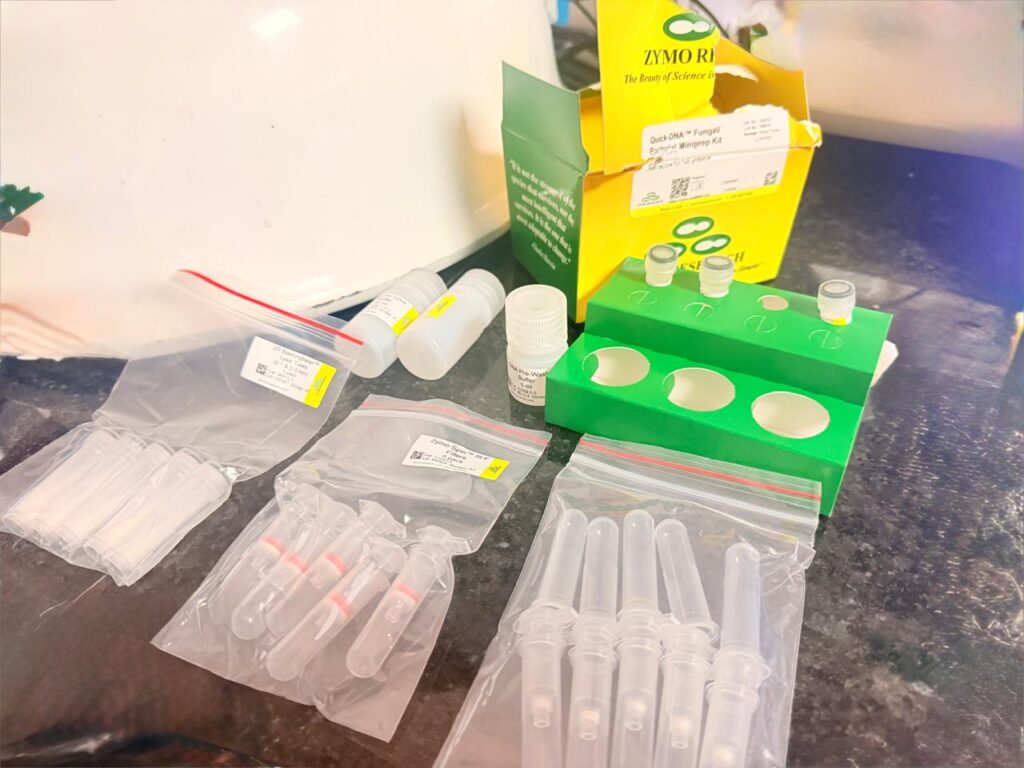
- Zymo-Spin™ Technology: Once cells are ruptured, the lysate is filtered and bound to a specialized silica spin column. Impurities are washed away, and pure, ultra-pure DNA is eluted.
Method & Procedure
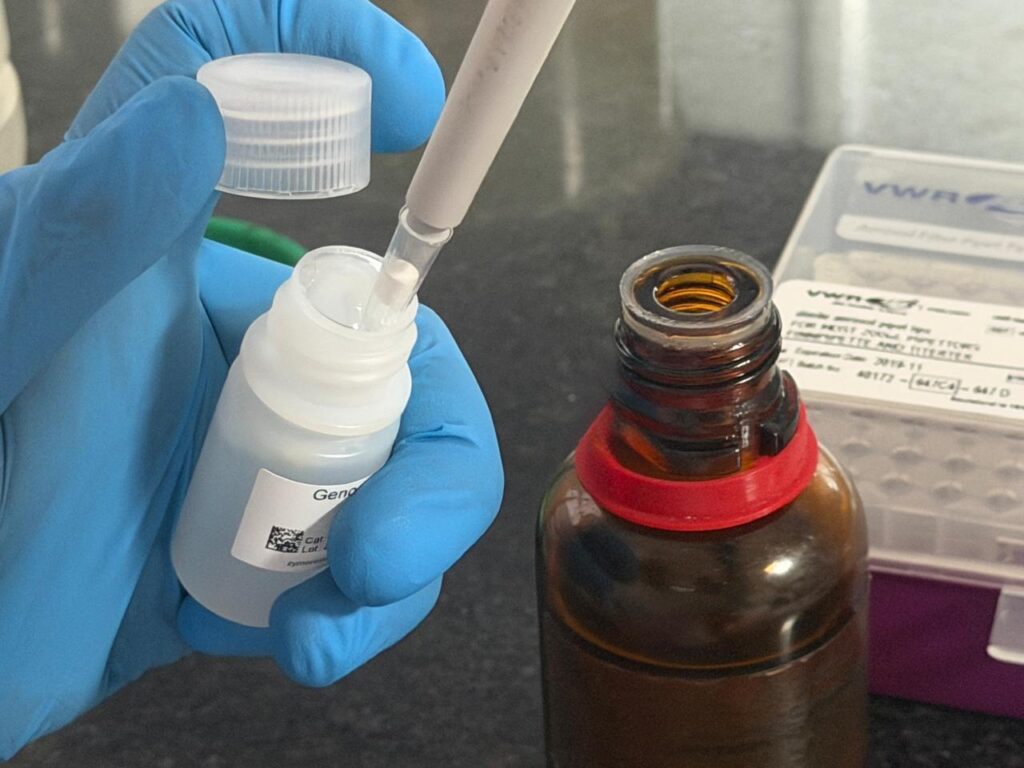
Before starting, add beta-mercaptoethanol to the Genomic Lysis Buffer to a final concentration of 0.5% (v/v) (e.g., 500 µl per 100 ml).
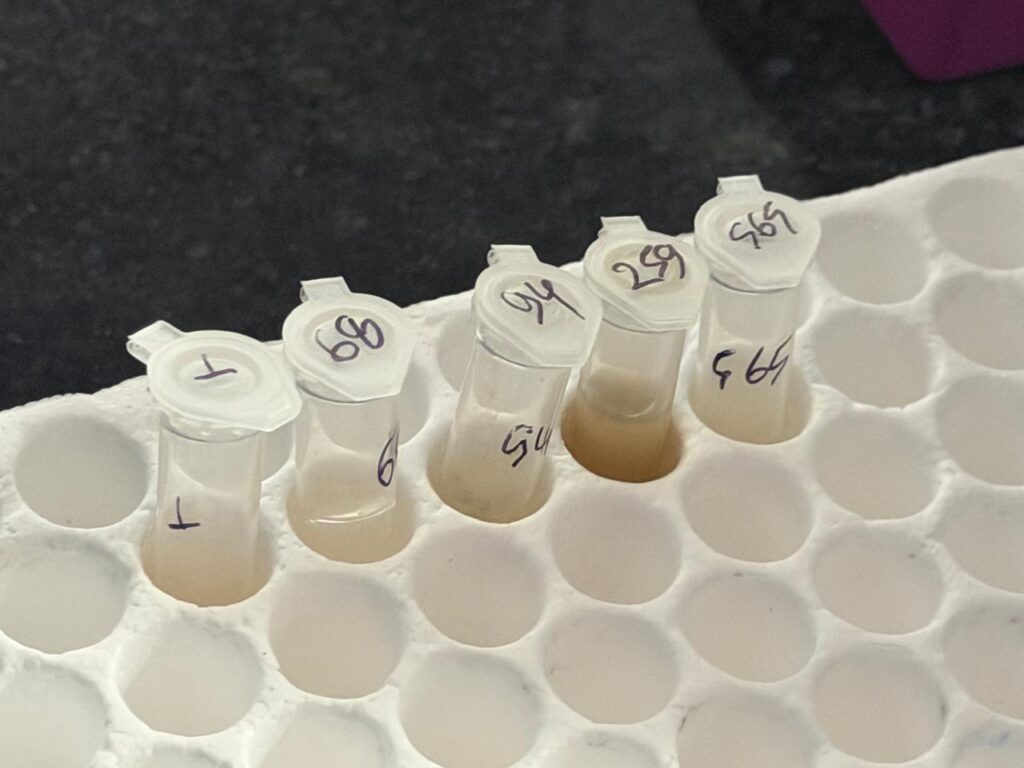
- Sample Setup: Add 50–100 mg (wet weight) of fungal or bacterial cells (resuspended in up to 200 µl water or PBS) into a ZR BashingBead™ Lysis Tube. Add 750 µl BashingBead™ Buffer.
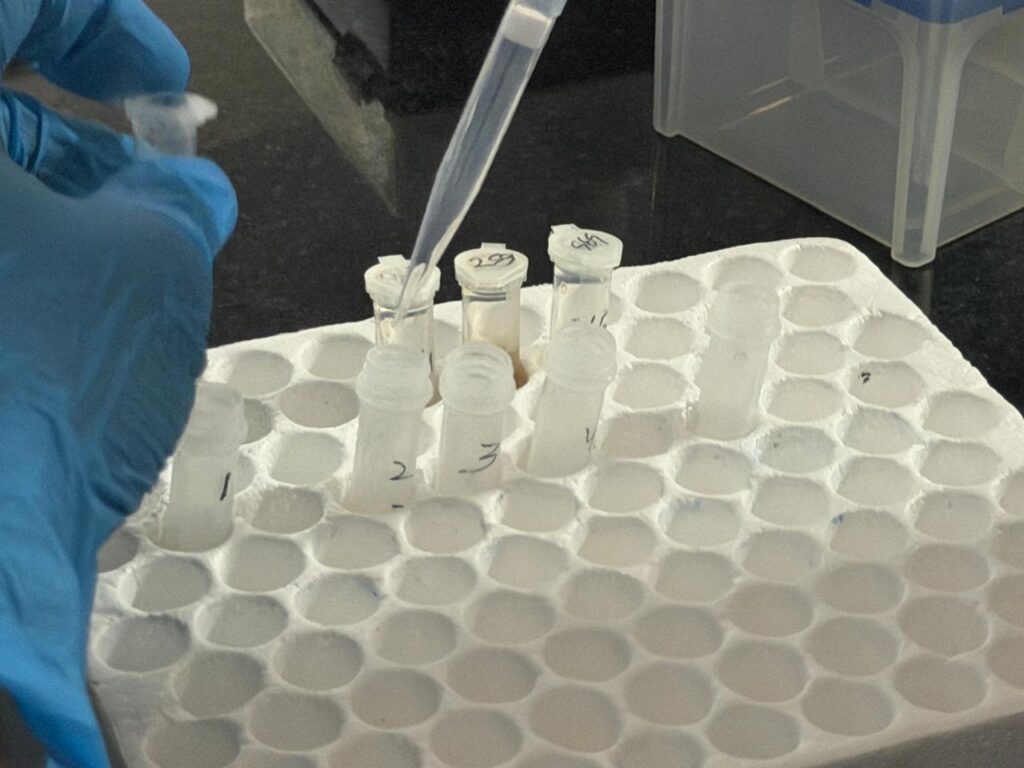
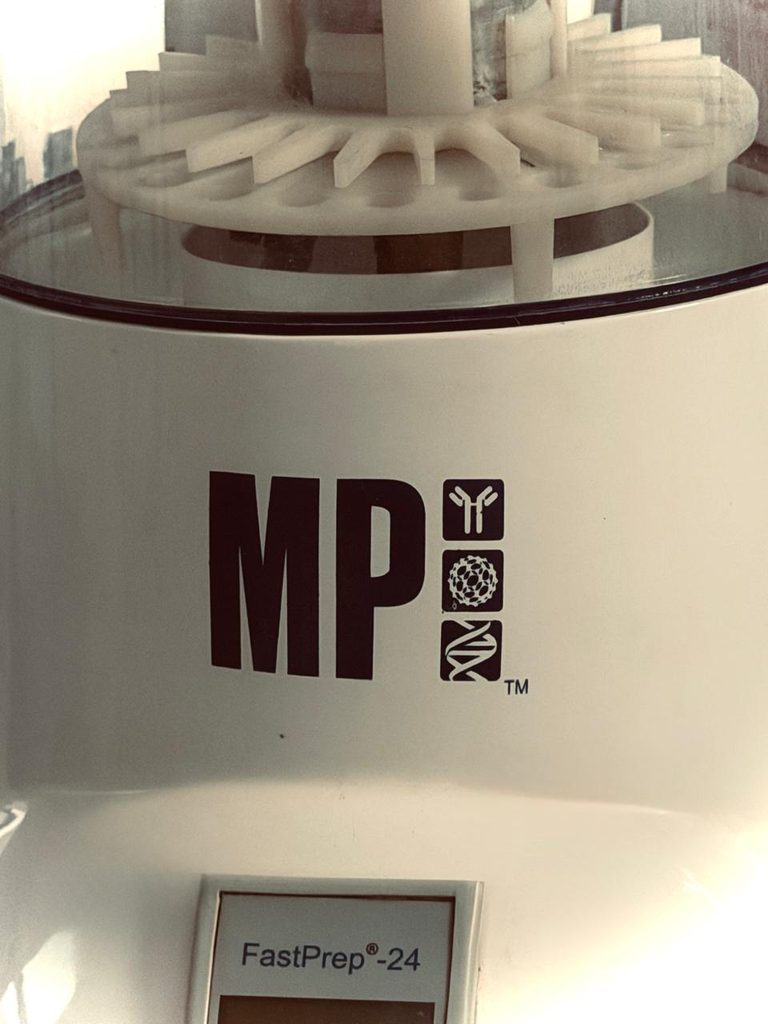
- Bead Beating: Secure the tube in a bead beater and process according to your device’s optimized settings (e.g., 40 minutes at max speed on a Vortex Genie® 2).
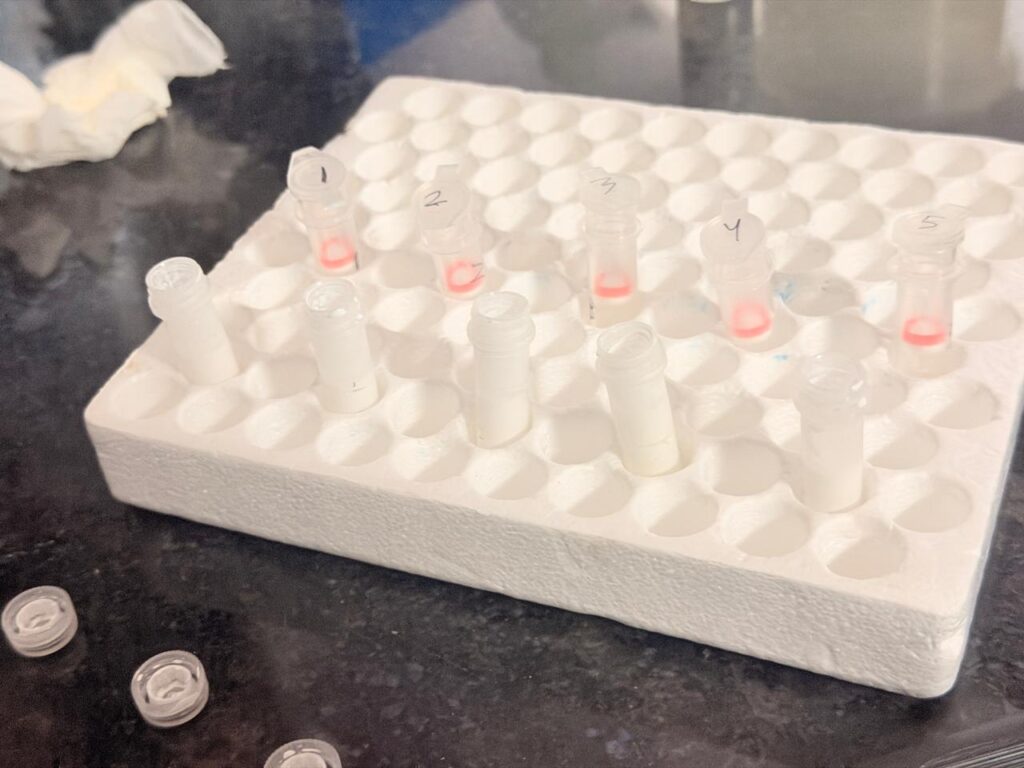
- Debris Pelleting: Centrifuge the lysis tube at ≥ 10,000 × g for 1 minute.
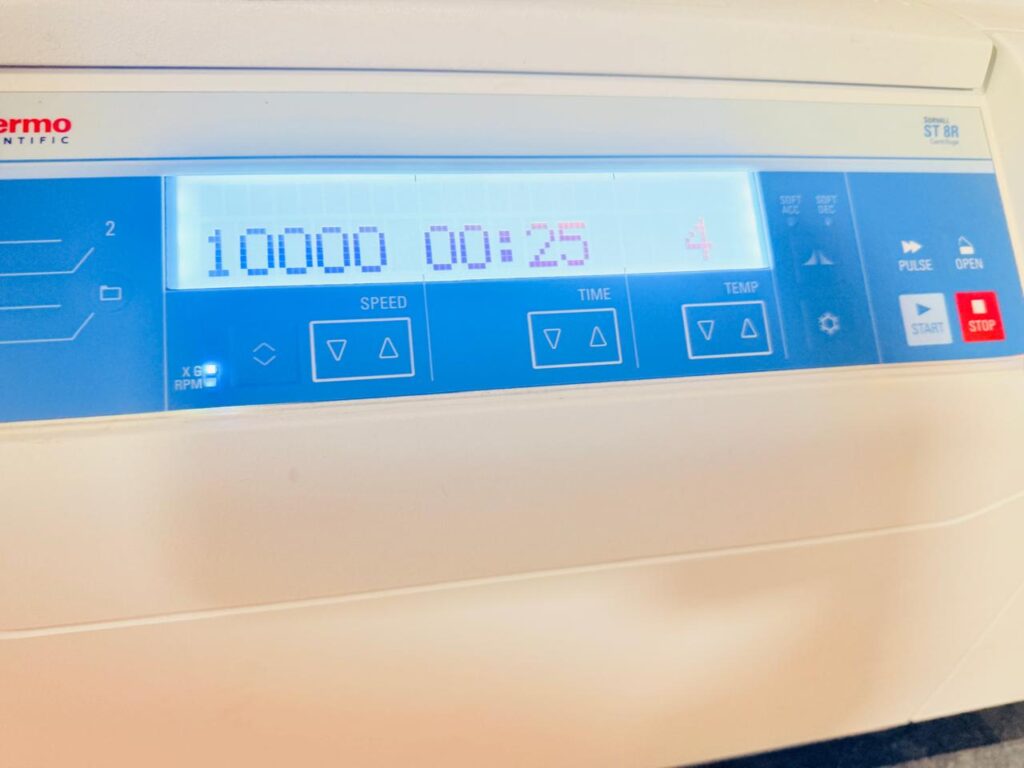
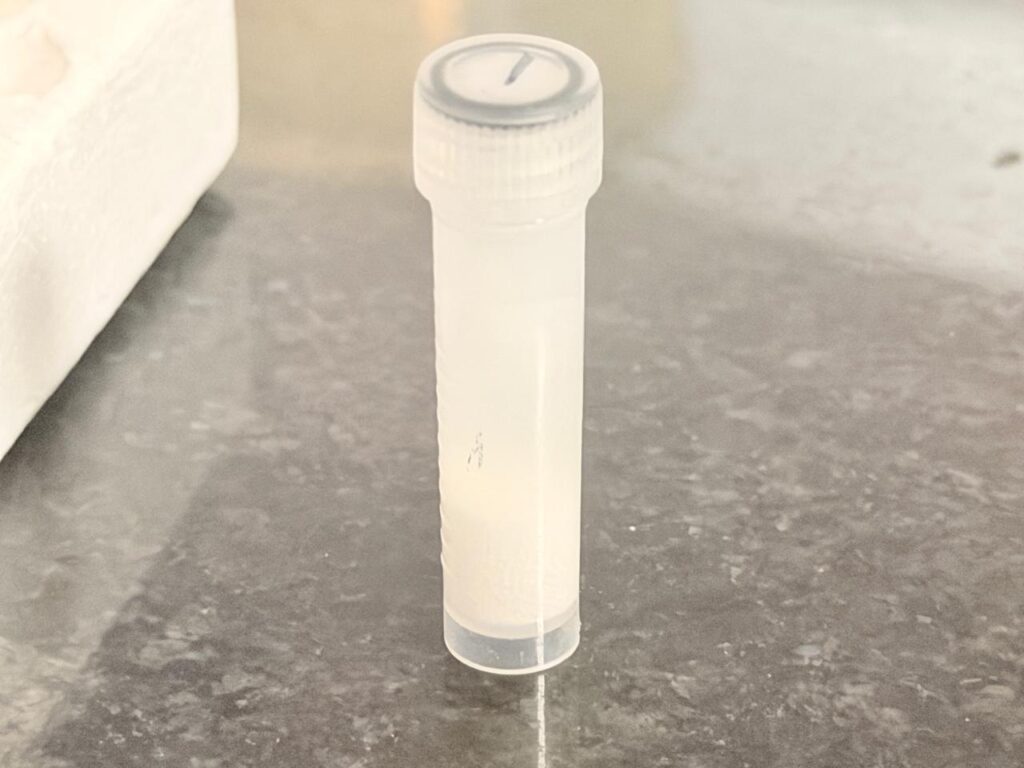
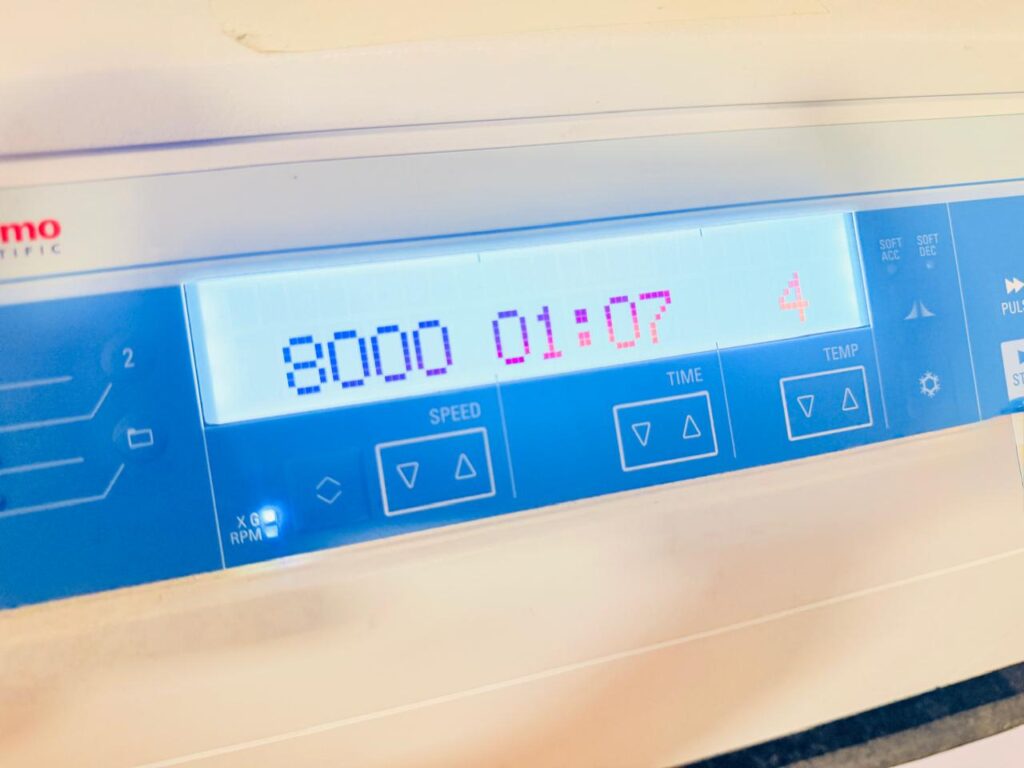
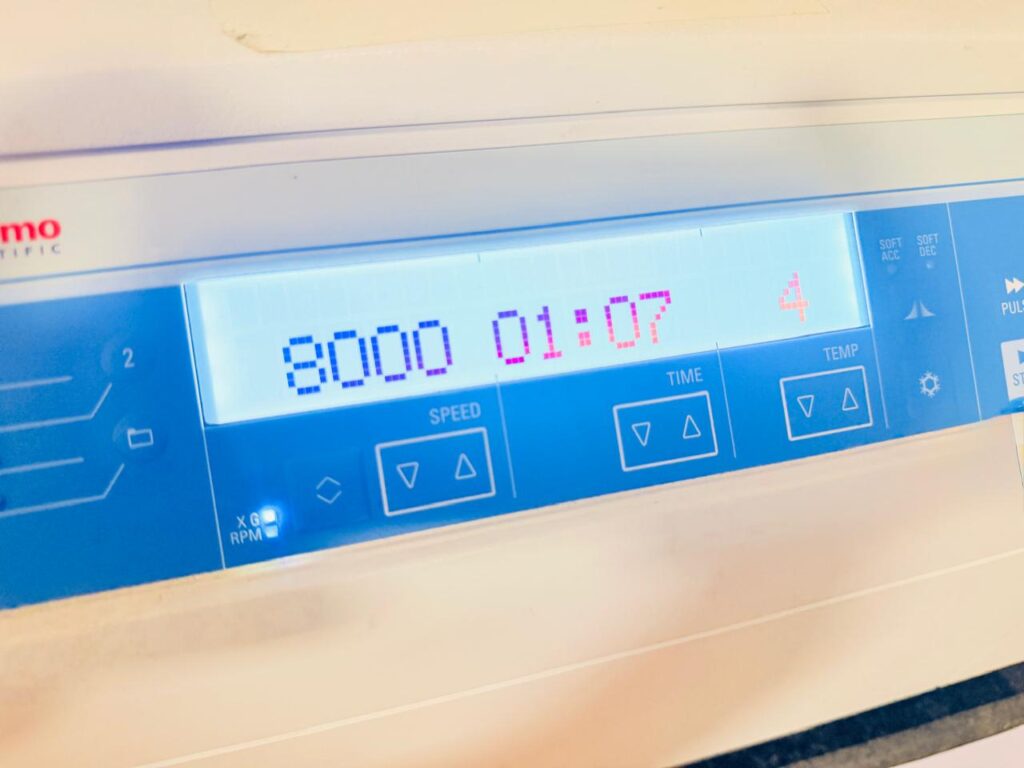
- Pre-Filtration: Transfer up to 400 µl of the clear supernatant into a Zymo-Spin™ III-F Filter and spin at 8,000 × g for 1 minute.
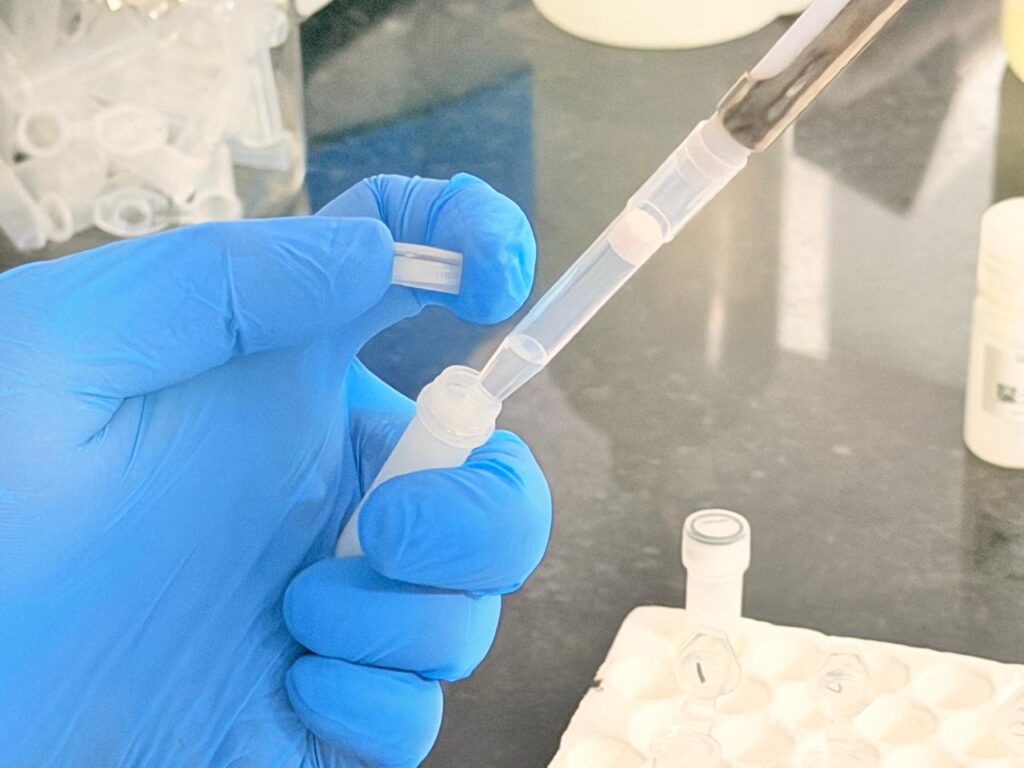
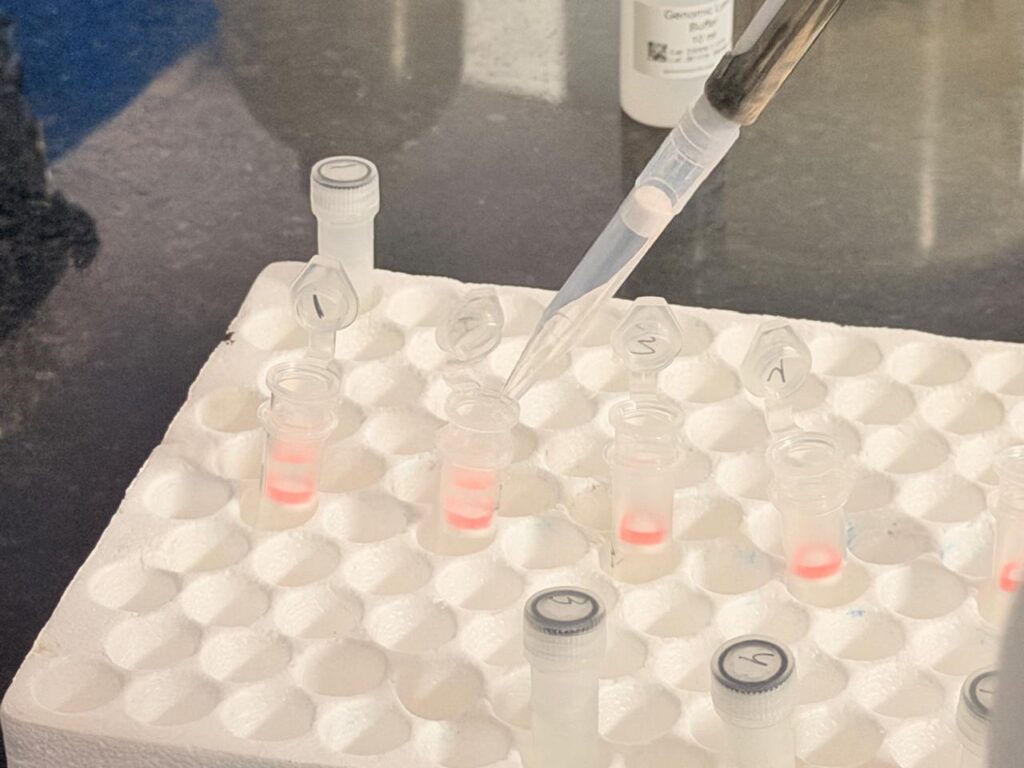
- Binding Prep: Add 1,200 µl of Genomic Lysis Buffer directly to the filtered lysate in the collection tube and centrifuge at ≥ 10,000 x g for 1 minute.
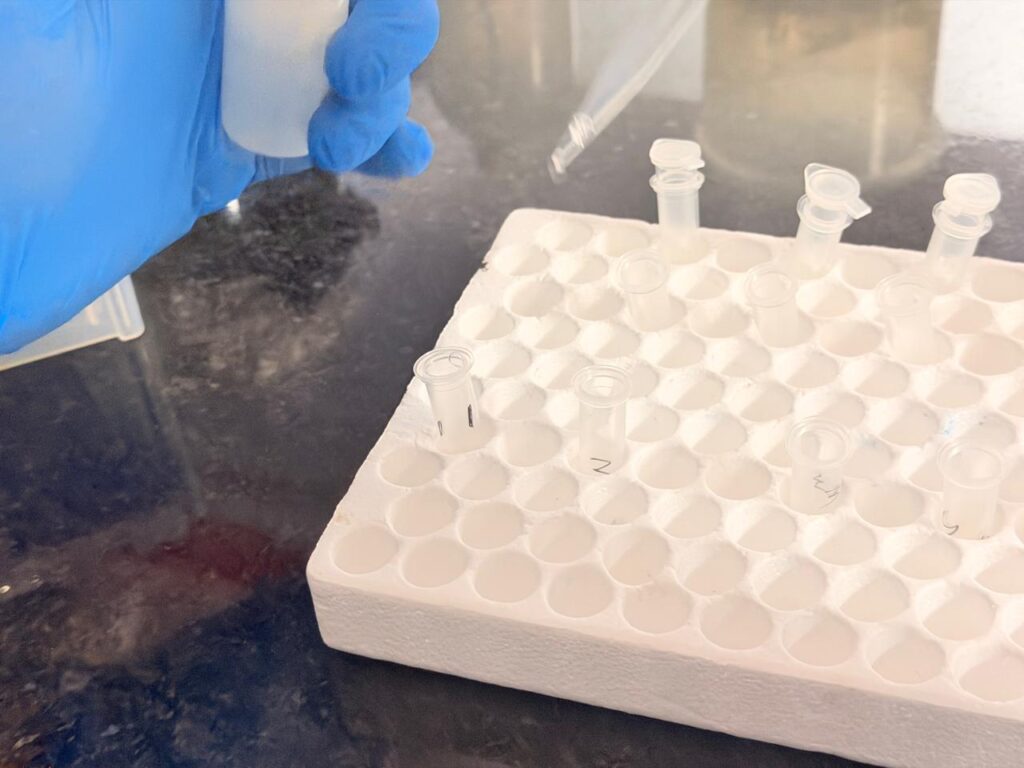
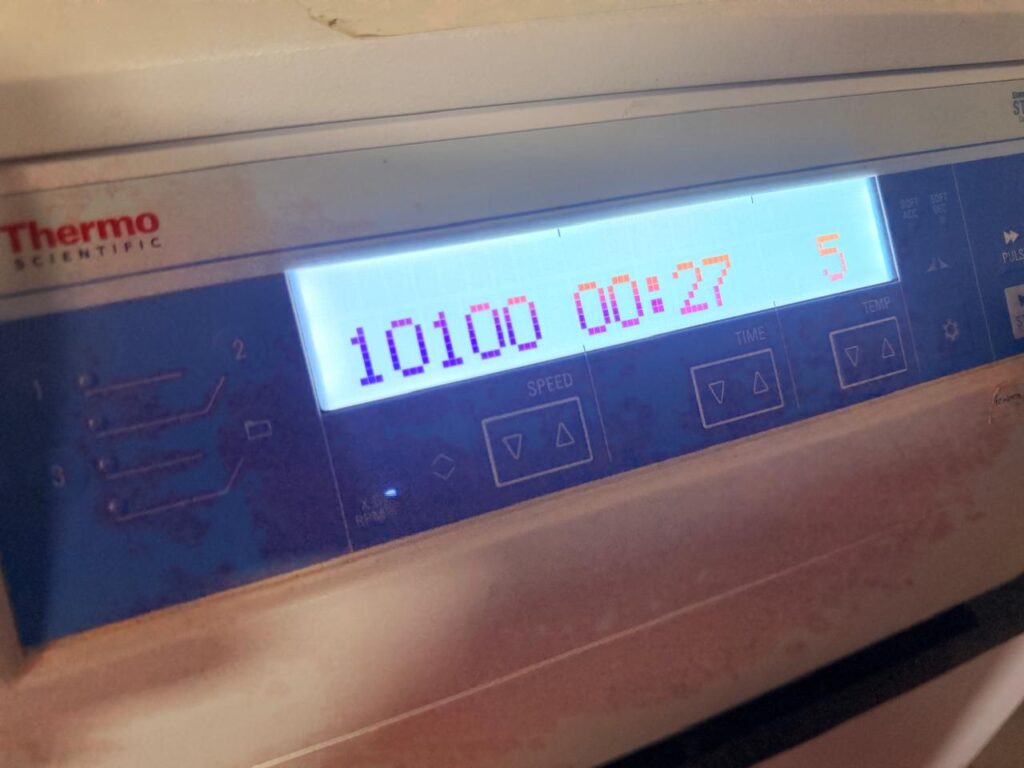
- Column Binding: Transfer 800 µl of this mixture into a Zymo-Spin™ IICR Column and centrifuge at ≥ 10,000 × g for 1 minute. Discard the flow-through and repeat this step with the remaining mixture.
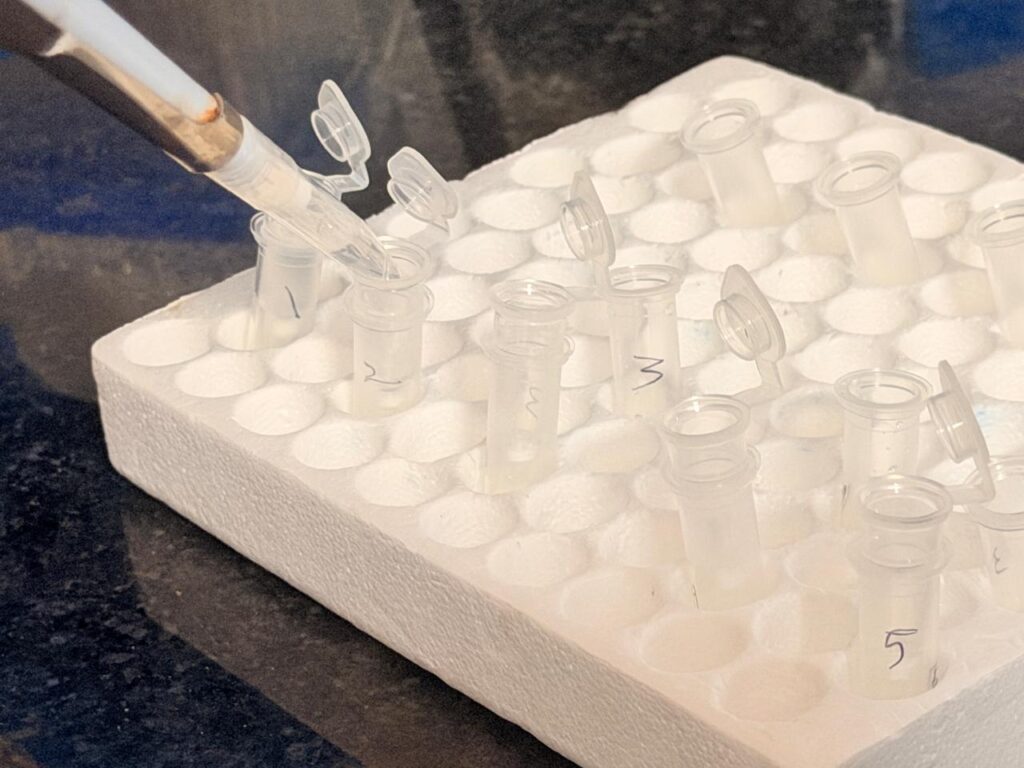
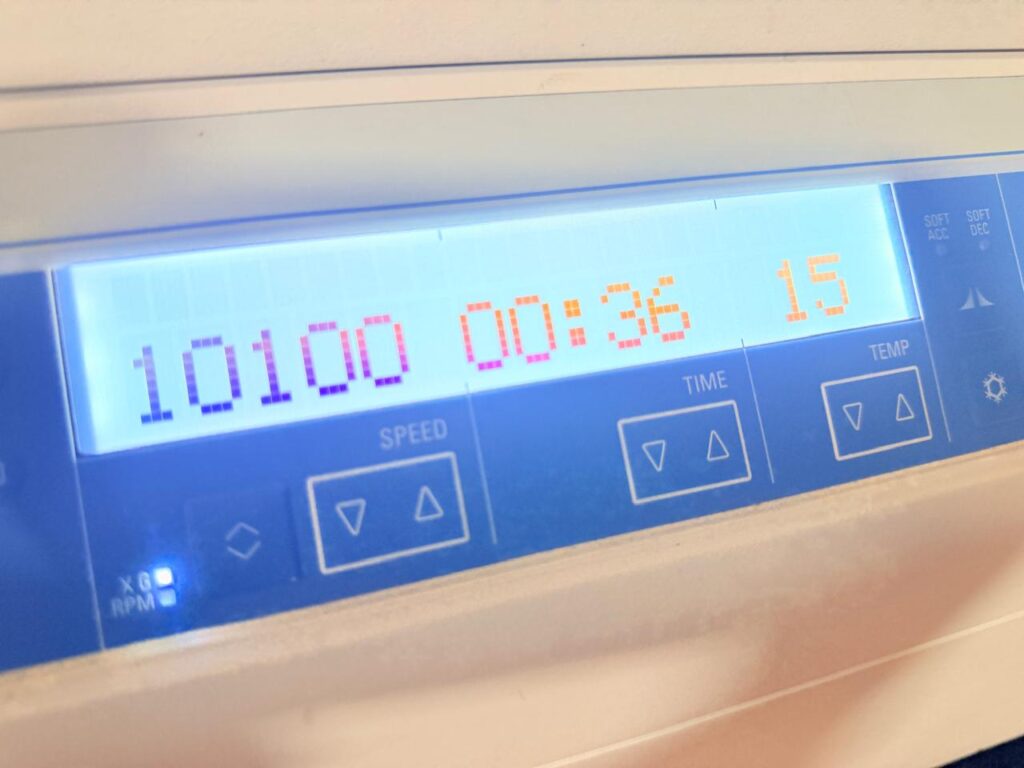
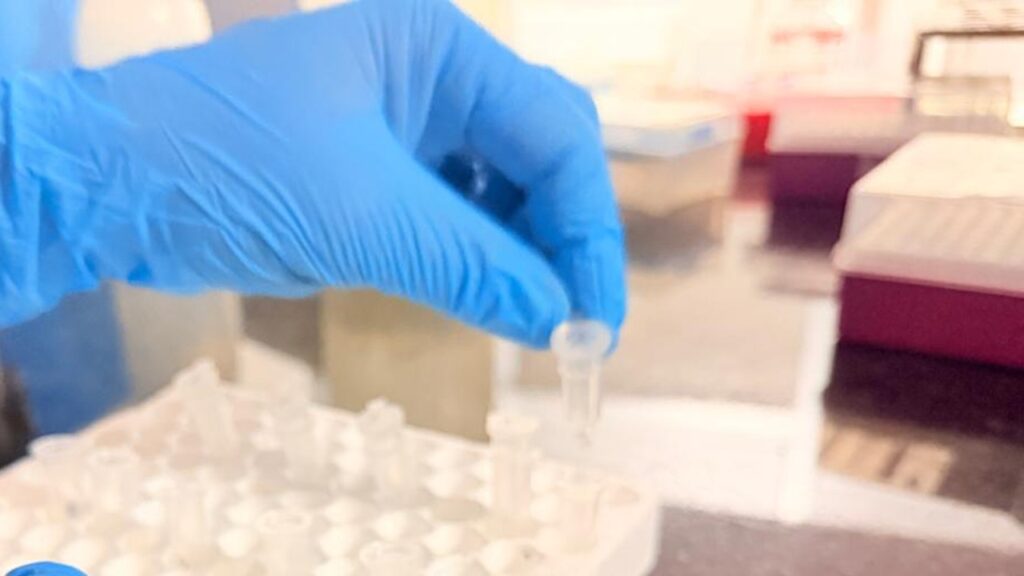
- Pre-Wash: Add 200 µl DNA Pre-Wash Buffer to the column and centrifuge at ≥ 10,000 × g for 1 minute.
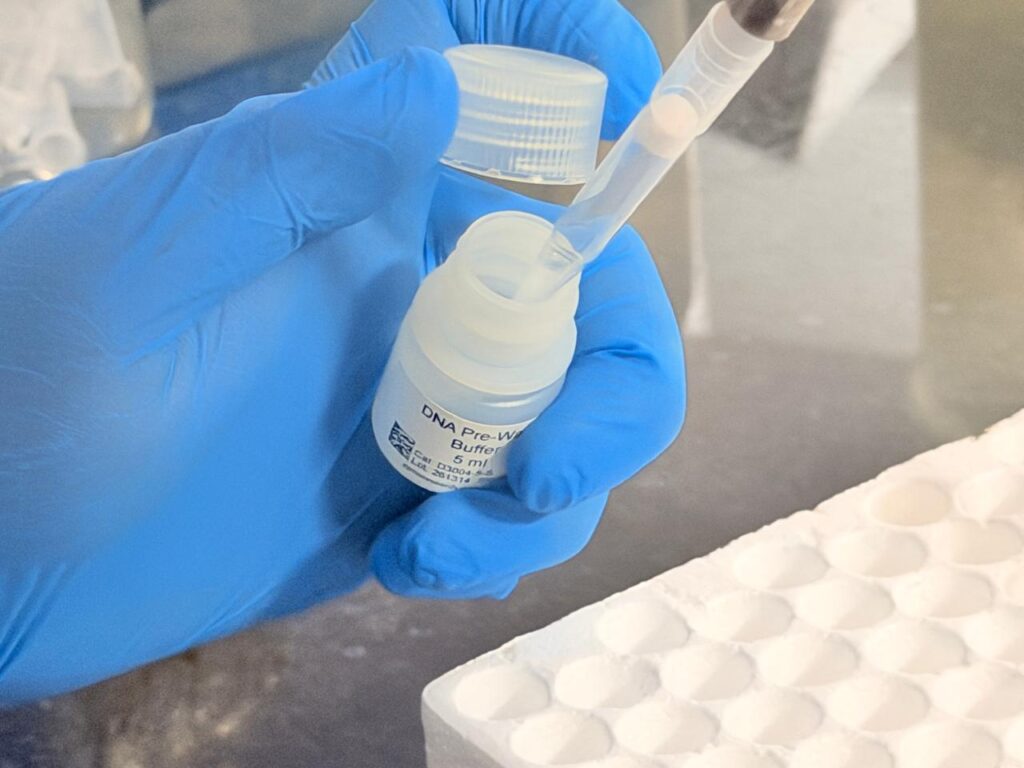
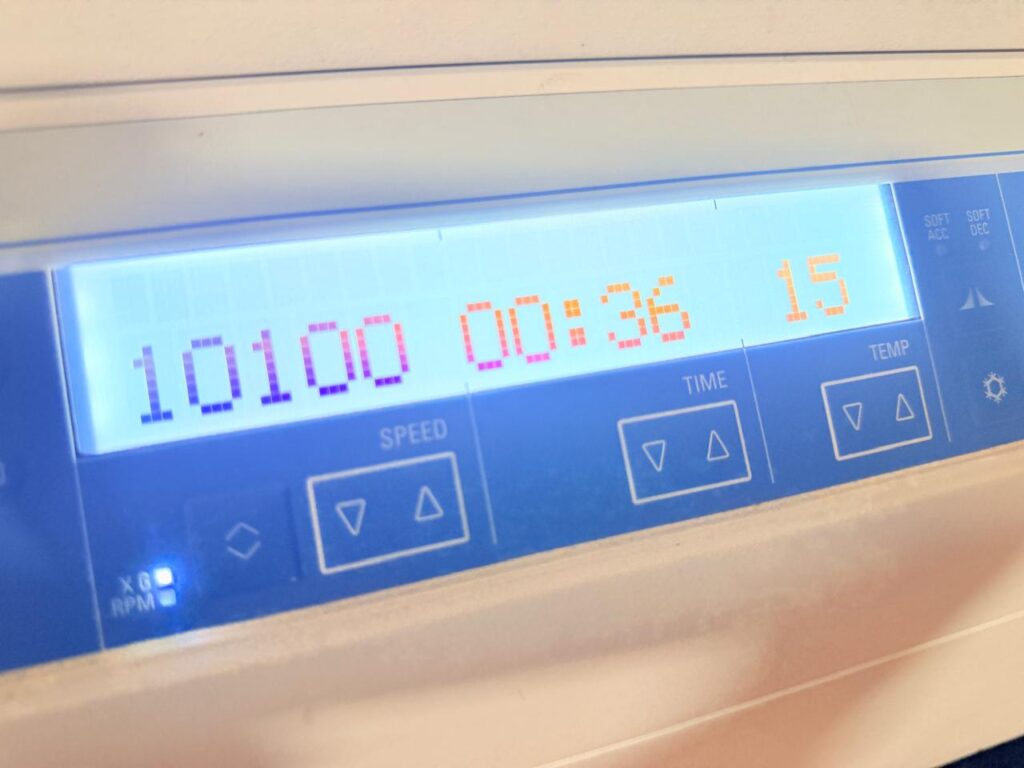
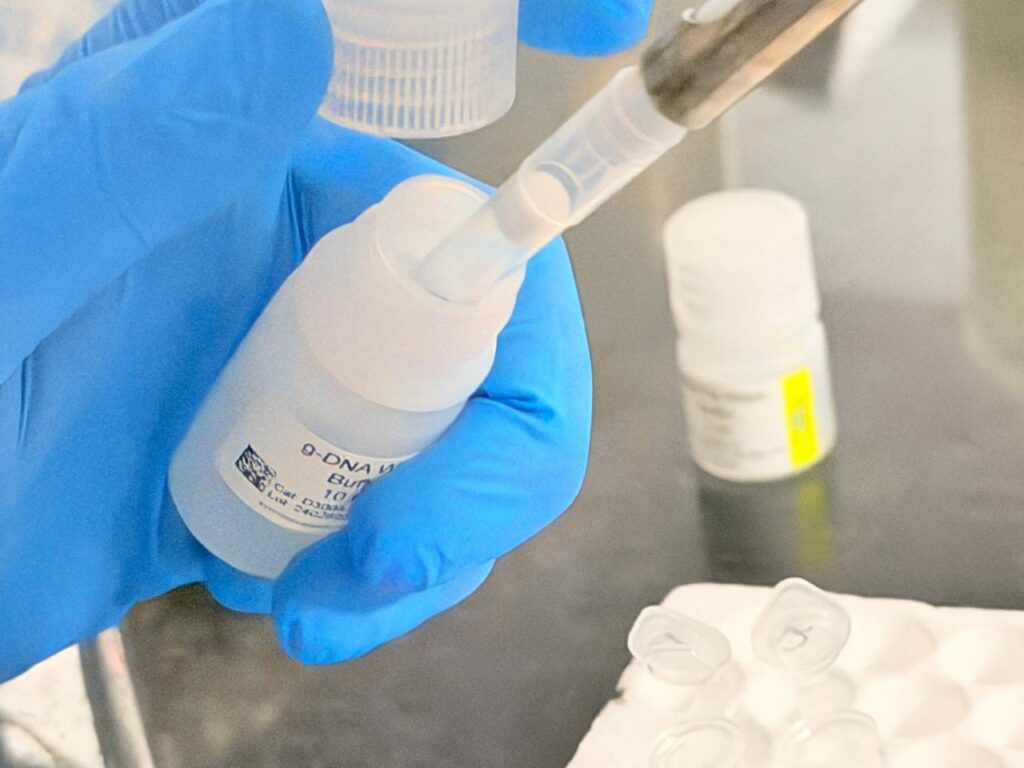
- Final Wash: Add 500 µl g-DNA Wash Buffer to the column and centrifuge at ≥ 10,000 × g for 1 minute.
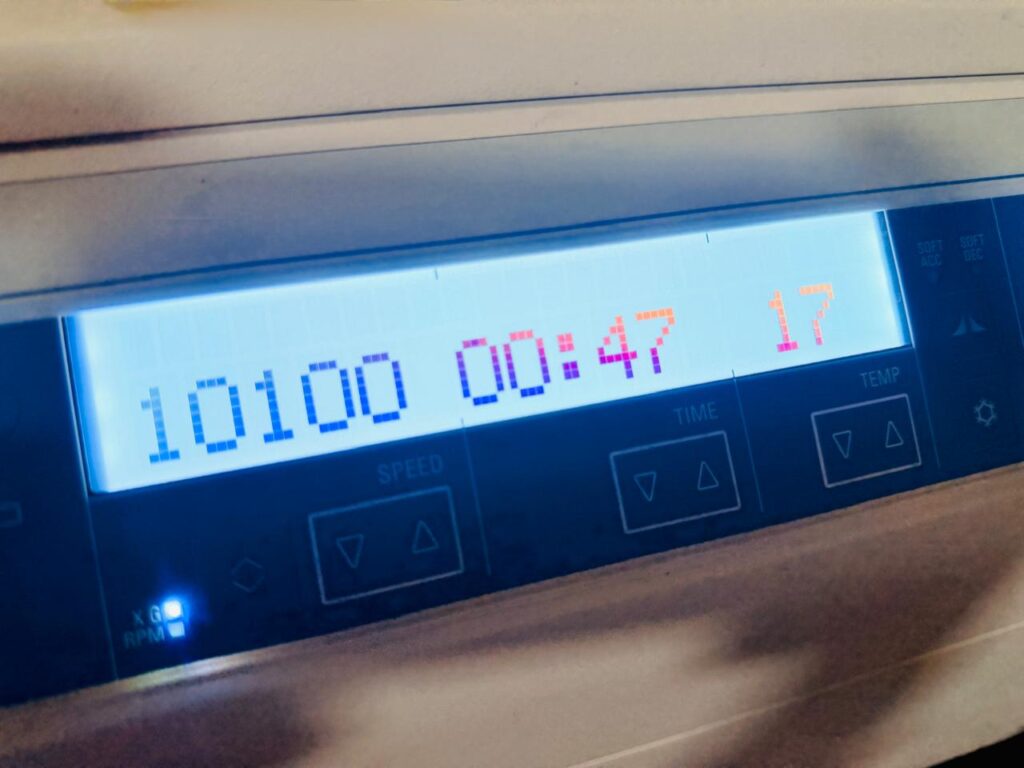
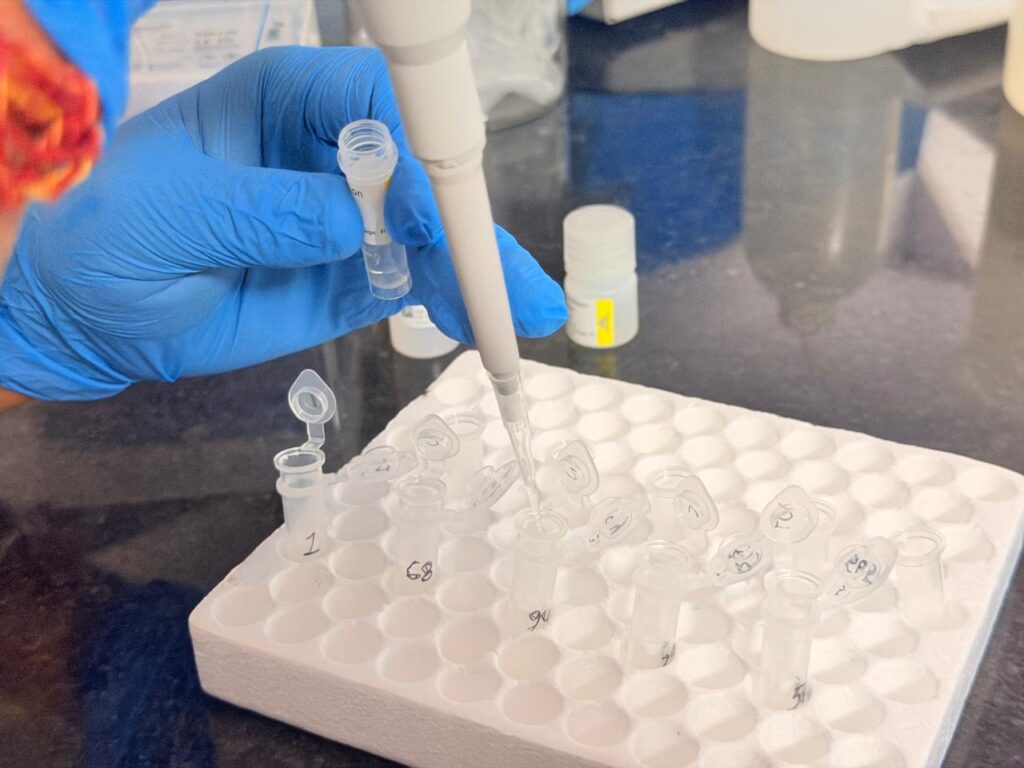
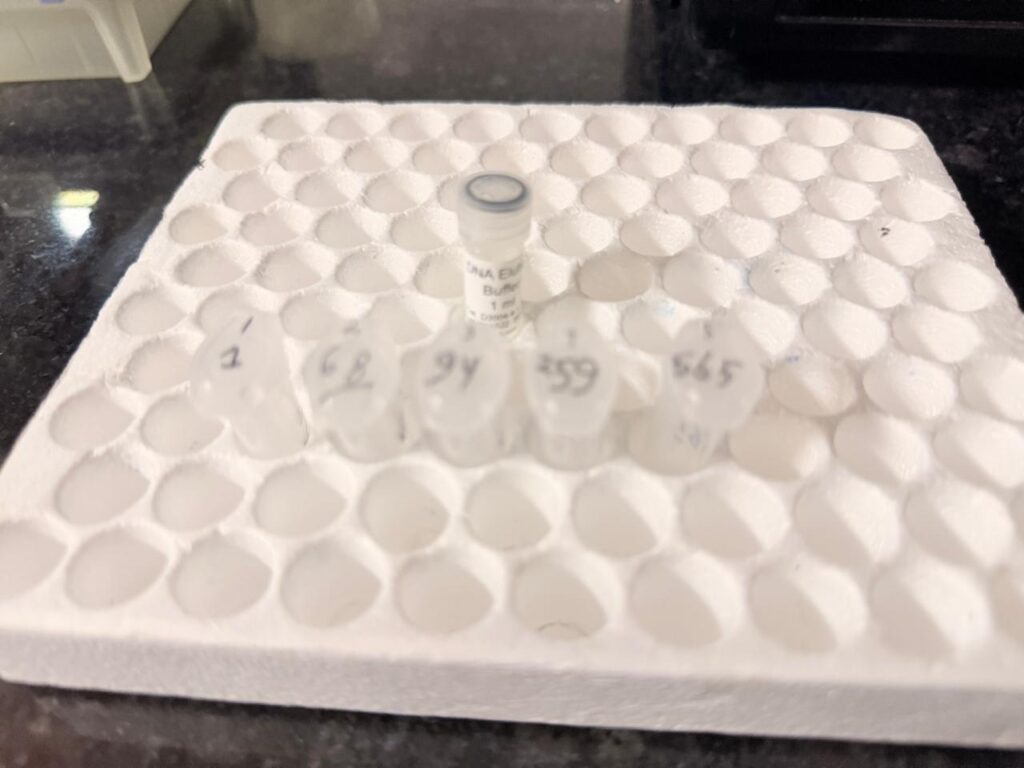
- Elution: Place the column into a clean 1.5 mL tube. Add 100 µl DNA Elution Buffer (35 µl minimum) directly to the center filter matrix. Spin at ≥ 10,000 × g for 30 seconds to collect your ultra-pure DNA.
DNA Concentration & Specifications
- Yield Capacity: The spin column has a total binding capacity of up to 25 µg of total DNA per preparation.
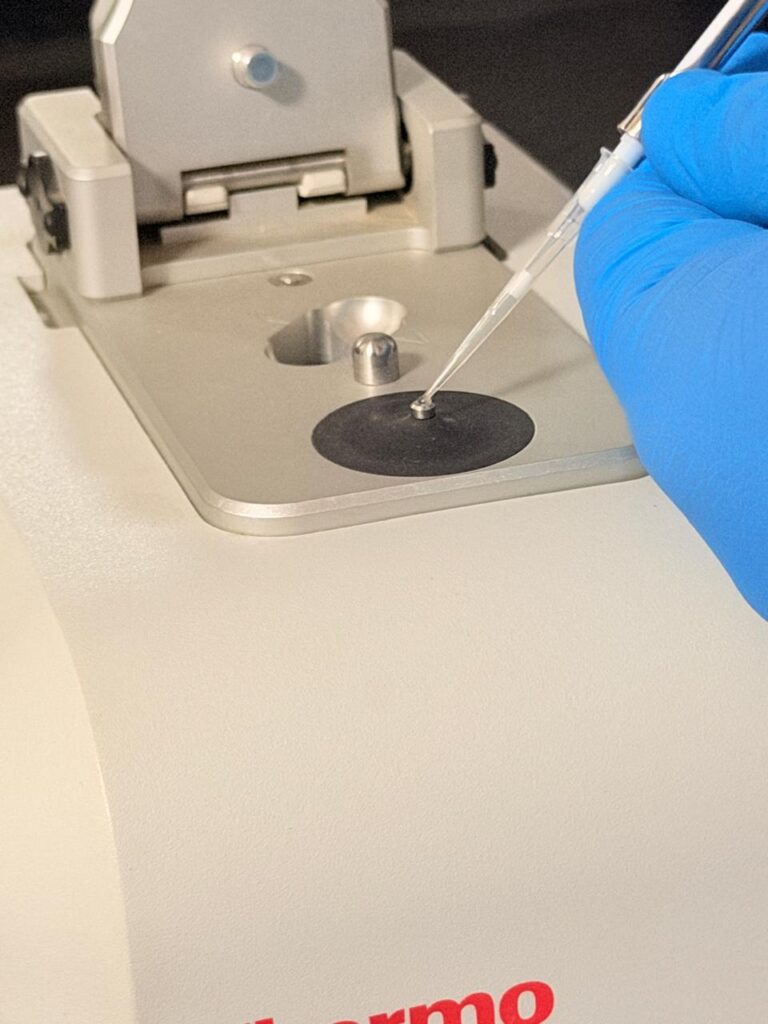
- Elution Volumes: DNA is routinely eluted into 100 µl of buffer, but can be concentrated down to a minimum of 35 µl.
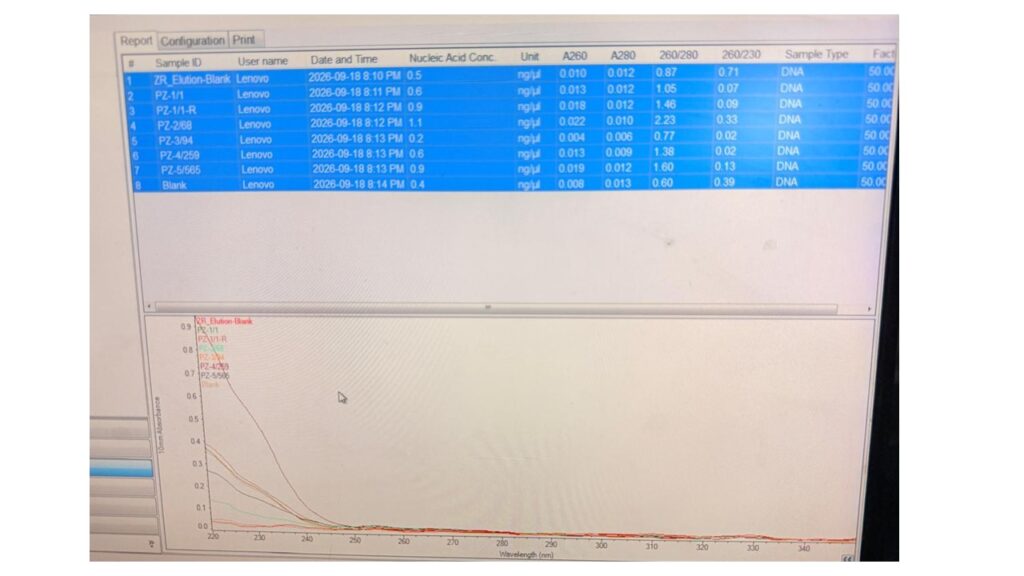
- Purity Standards: Delivers highly purified DNA with a 260/280 ratio > 1.8, confirming it is structurally clean and free of protein contaminants.
- Size Limits: Safely isolates large genomic DNA fragments up to and above 40 kb, while co-recovering mitochondrial and viral DNA if present.
Applications
The purified DNA is immediately ready for sensitive downstream molecular biology applications:
- PCR & Real-Time qPCR: Clean amplification without enzyme inhibition.
- Microarrays: High-purity genetic material for hybridization chips.
- Next-Generation Sequencing (NGS): Perfect for structural whole-genome sequencing library preparation.
Keynotes & Troubleshooting
- Fixing Low Yields:
- Ensure your bead-beater shakes in a 3D or figure-8 motion; single-dimension vertical/horizontal shakers fail to efficiently rupture highly stubborn microbial cell walls.
- Let the DNA Elution Buffer sit and hydrate the column matrix for 5 minutes at room temperature before performing the final spin.
- Heat the elution buffer to 60°C before loading, or take your initial eluate and pass it through the column a second time.
- Fixing Low Purity:
- Prevent the bottom tip of the spin column from making physical contact with the dirty flow-through liquid during wash steps.
- Increase your final wash centrifugation time by 1 extra minute, or bump up the centrifugation speed to 16,000 × g to completely dry out residual wash ethanol.
- Buffer Maintenance: If a white precipitate forms inside your DNA Pre-Wash Buffer bottle during shipping or storage, incubate the bottle at 30–37°C for 30 minutes and invert to mix. Do not microwave it.
- “Isolation of DNA (up to 25 µg/prep)” means that the scientific kit or laboratory procedure you are using is designed to extract and purify deoxyribonucleic acid (DNA) from a biological sample, and it can yield a maximum of 25 micrograms (µg) of pure DNA per single preparation (prep).
Further Readings
- https://files.zymoresearch.com/protocols/_d6005_quick-dna_fungal-bacterial_miniprep_kit.pdf
- https://www.protocols.io/view/dna-extraction-with-zymo-quick-dna-fungal-bacteria-d7k99kz6.pdf
- https://www.zubairkhalid.com/knowledge/diagnostics/molecular/dna-extraction-fungi-protocols-yeast-mold
- https://www.abcam.com/en-us/knowledge-center/dna-and-rna/dna-extraction
- https://www.promega.com/resources/guides/nucleic-acid-analysis/dna-purification/