
Introduction of MDR Candida NGS
Table of Contents
MDR Candida NGS refers to the use of Next-Generation Sequencing for the detection, identification, and resistance gene profiling of multidrug-resistant (MDR) Candida species, such as Candida auris, Candida glabrata, and others resistant to azoles, echinocandins, or polyenes.
Next-generation sequencing (NGS) allows comprehensive genetic analysis of Candida species directly from clinical isolates or specimens. In MDR Candida, it helps:
- Identify the species accurately, even in mixed infections.
- Detect mutations in resistance-associated genes (e.g., ERG11, FKS1, FKS2).
- Track clonal outbreaks and understand transmission dynamics.
Principle
NGS works by:
- Fragmenting the fungal DNA.
- Ligating adaptors and preparing libraries.
- Massively parallel sequencing of millions of DNA fragments.
- Bioinformatics analysis to map reads to reference genomes.
It identifies point mutations, insertions/deletions, and resistance gene expression patterns, especially in ERG11 (azoles), FKS1/2 (echinocandins), and CDR1/CDR2 (efflux pumps).
Test Requirements
Specimen:
Reagents/Materials:
- DNA extraction kit
- Library preparation kit
- Indexed barcodes
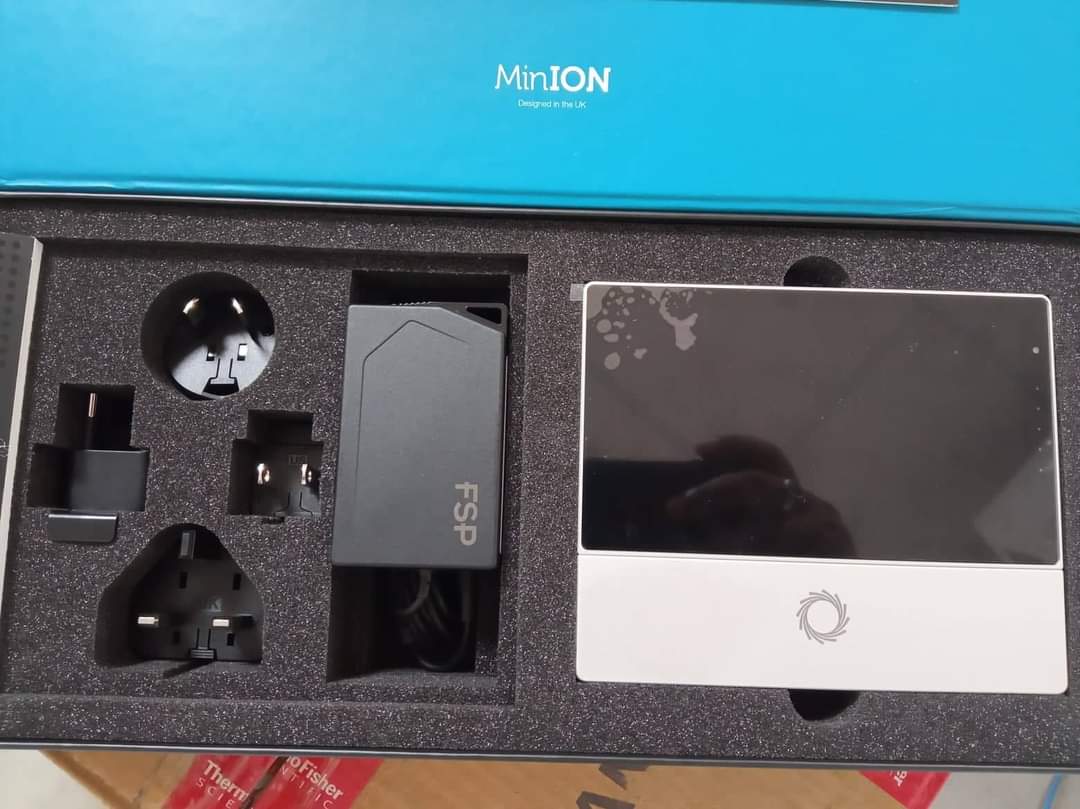
- Sequencing platform (Illumina, Ion Torrent, Oxford Nanopore)
- Bioinformatics tools (Galaxy, CLC Genomics, Geneious)

Procedure
- DNA Extraction:
- From Candida isolate using fungal-specific kits
- Library Preparation:
- DNA fragmentation
- End repair, adaptor ligation
- Size selection and amplification
- Sequencing:
- Load prepared libraries onto the NGS platform
- Generate millions of reads per sample
- Data Analysis:
- Quality check and trimming
- The map reads to reference Candida genomes
- Identify mutations in resistance genes (e.g., ERG11, FKS1, CDR1/CDR2)
- Reporting:
- Identify species, resistance genes, and sequence type (ST)
Result Interpretation
| Result | Interpretation |
| Species ID | Confirms Candida auris, C. glabrata, etc. |
| Resistance Mutations | ERG11 Y132F, FKS1 S645P → drug resistance |
| No Resistance Genes Detected | Likely susceptible strain |
| Multilocus Sequence Typing (MLST) | For outbreak tracking and clonal relatedness |
Clinical Significance
- Precise species identification, even among cryptic or emerging species.
- Enables the detection of resistance mechanisms before phenotypic AST.
- Helps guide targeted antifungal therapy.
- Tracks nosocomial outbreaks and MDR transmission.
- Useful in epidemiological surveillance and infection control.
Keynotes
- MDR Candida is a major healthcare concern, especially C. auris
- NGS provides faster and deeper insights than conventional methods
- Results must be interpreted with clinical correlation
- Requires specialized infrastructure and bioinformatics expertise
- Can be used in conjunction with AFST, MALDI-TOF, PCR, and whole genome sequencing
Further Readings
- https://pubmed.ncbi.nlm.nih.gov/28911043/
- https://pubmed.ncbi.nlm.nih.gov/26017039/
- https://www.sciencedirect.com/science/article/pii/S2666517425000161
- https://academic.oup.com/jid/article/216/suppl_3/S445/4107052
- https://www.thelancet.com/journals/lanmic/article/PIIS2666-5247(24)00101-0/fulltext
- https://www.frontiersin.org/journals/microbiology/articles/10.3389/fmicb.2020.01535/full
- https://academic.oup.com/jac/article/70/9/2556/720642
- https://www.clinicalmicrobiologyandinfection.com/article/S1198-743X(17)30183-0/fulltext
- https://pubmed.ncbi.nlm.nih.gov/26017039/
- https://academic.oup.com/jid/article/216/suppl_3/S445/4107052
- https://journals.plos.org/plosone/article?id=10.1371/journal.pone.0210397
- https://bmcgenomics.biomedcentral.com/articles/10.1186/s12864-015-1863-z