HEPA Vs ULPA Filters: Introduction, Comparison, and Keynotes
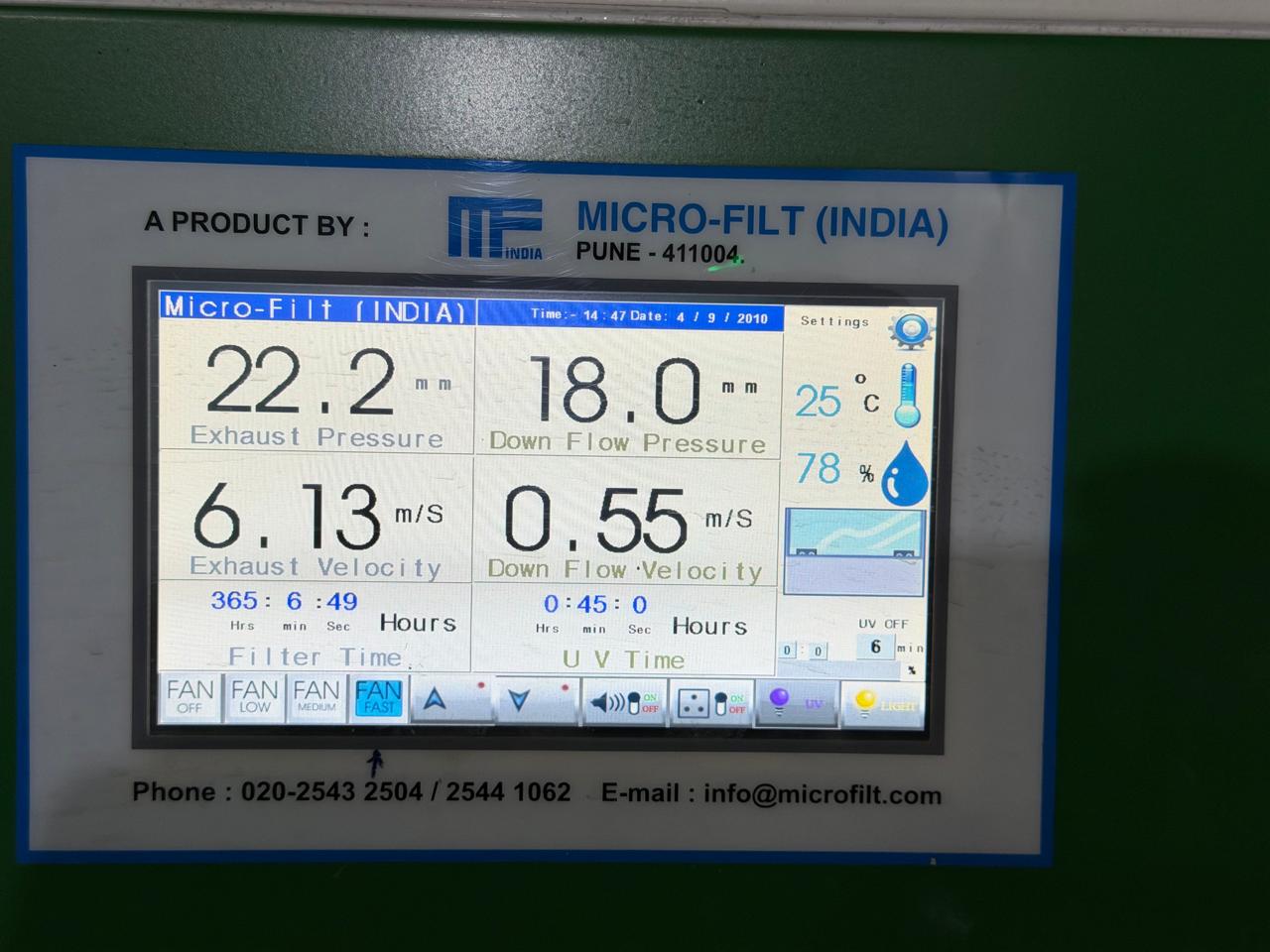
HEPA filter (High-Efficiency Particulate Air) present in this biosafety cabinet

Introduction to the Filters Direct Comparison The critical trade-offs between HEPA and ULPA filtration systems are outlined below: Feature HEPA Filters ULPA Filters Efficiency Rating 99.97%efficiency 99.999%efficiency Target Particle Size 0.3 µm (Most Penetrating Particle Size) 0.12 µm or larger Airflow Resistance Lower static pressure …

Read more

N95 Particulate Respirators: Introduction, Comparison of Benehal N95 and Magnum MH CUP-S surgical N95, and Keynotes

Benehal N95 and Magnum MH CUP-S surgical N95 masks comparison

Introduction to N95 Particulate Respirators An N95 respirator is a critical tool for personal protective equipment (PPE) in healthcare, industrial, and public safety sectors. Product Comparison: Benehal N95 vs. Magnum MH CUP-S Surgical N95 Choosing between these brands typically depends on whether you require a …

Read more

N95 Mask: Introduction, Features, application, and Keynotes

A Benehal N95 respirator mask showing official NIOSH certification text and model numbers on its exterior surface

Introduction An N95 respirator is a specialised respiratory protective device certified by the National Institute for Occupational Safety and Health (NIOSH). It is engineered to establish a tight facial seal and deliver highly efficient filtration of airborne particles. The “N” stands for “Not resistant to …

Read more

N95 and KN95 Masks: Introduction, Key Differences, and Comparison of Design and Performance

N95 Mask-A NIOSH-certified Magnum Surgical N95 cup-style respirator with mandatory text markings and dual head straps

Introduction N95 and KN95 masks are high-filtration Filtering Facepiece Respirators (FFRs) designed to protect wearers from airborne particulates. Both are engineered to trap at least 95% of microscopic, non-oil-based particles down to 0.3 microns in size, including dust, pollen, bacteria, and viruses. While they serve …

Read more

Incineration Plant: Introduction, Principle, Working Mechanism, Application, and Keynotes

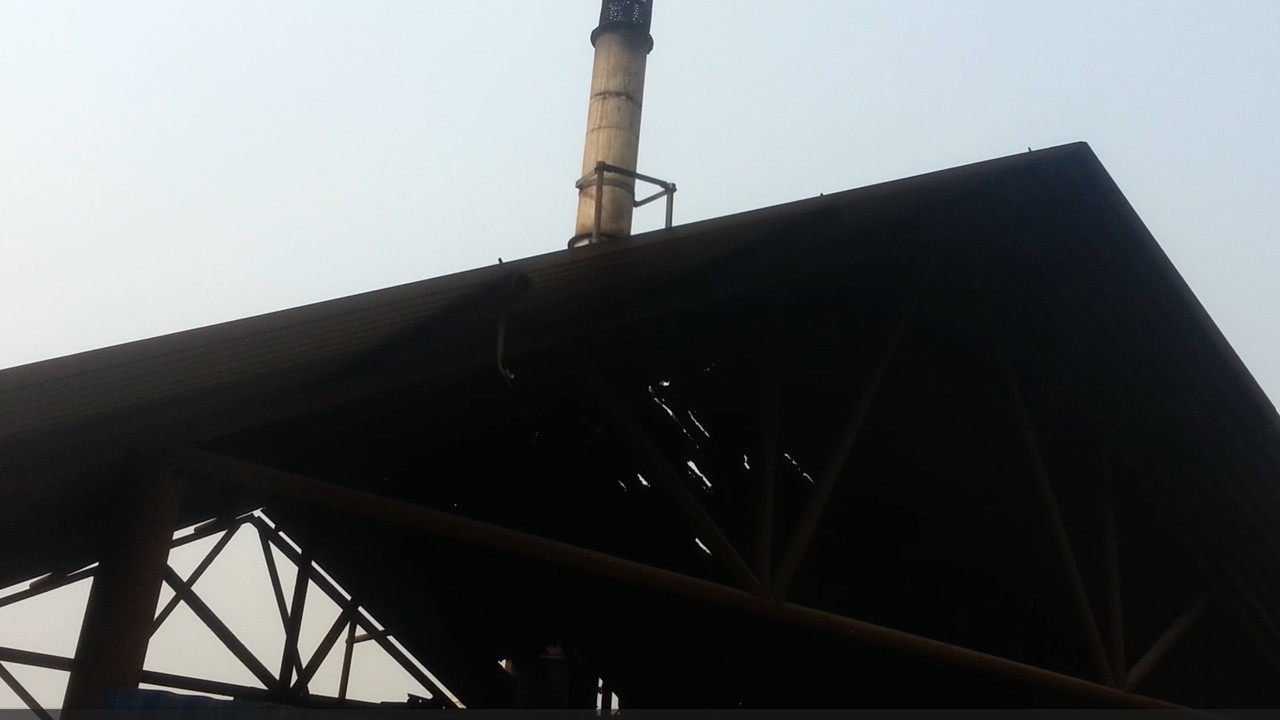
An exhaust stack rises from the roof of the incineration plant facility

Introduction Incineration is a thermal treatment process that combusts organic substances contained in waste materials. These plants are crucial for modern waste management, particularly for hazardous or clinical waste, by providing a sterile, efficient disposal method that reduces the need for landfill space. Modern plants …

Read more