
Introduction to N95 Particulate Respirators
Table of Contents
An N95 respirator is a critical tool for personal protective equipment (PPE) in healthcare, industrial, and public safety sectors.
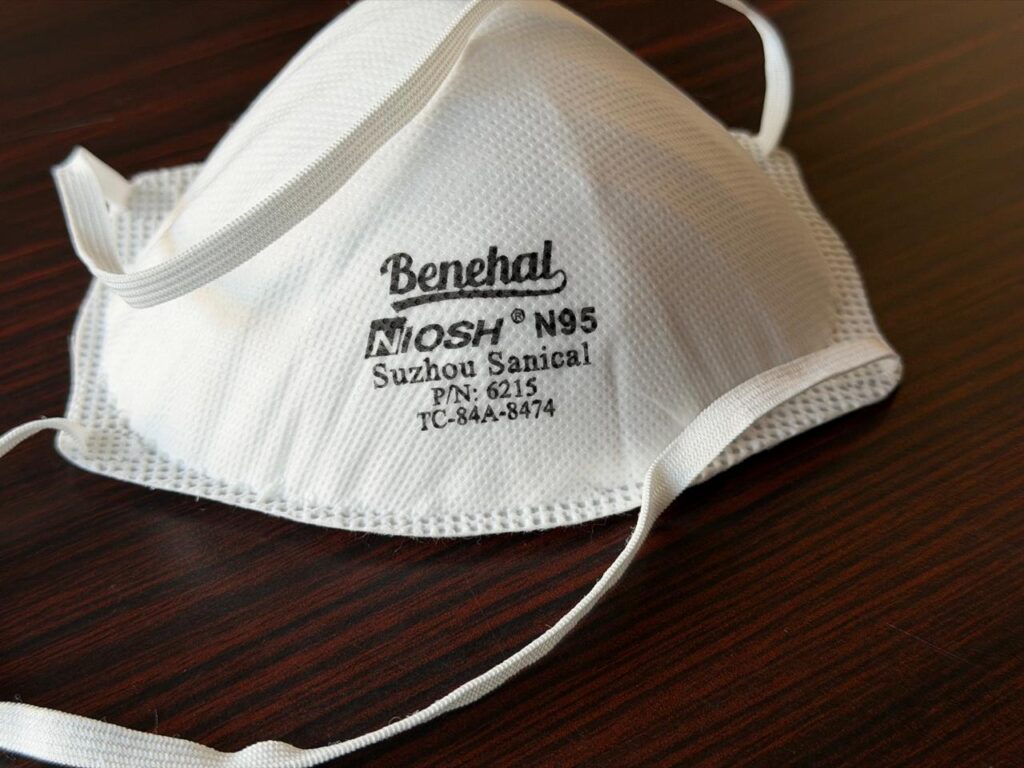
- The “N95” Designation: The letter N stands for “Not resistant to oil,” meaning it is rated strictly for non-oil environments. 95 indicates its minimum filtration efficiency against particulates measuring 0.3 microns or larger.
- Regulatory Body: In the United States, respirators must be tested and certified by the National Institute for Occupational Safety and Health (NIOSH) under regulation 42 CFR Part 84.
- Mechanism of Action: They utilize melt-blown polypropylene fibers with an electrostatically charged grid to trap microscopic biological particles (such as viruses and bacteria) and mechanical debris.
Product Comparison: Benehal N95 vs. Magnum MH CUP-S Surgical N95
Choosing between these brands typically depends on whether you require a standard industrial particulate respirator or a dual-certified medical/surgical device.
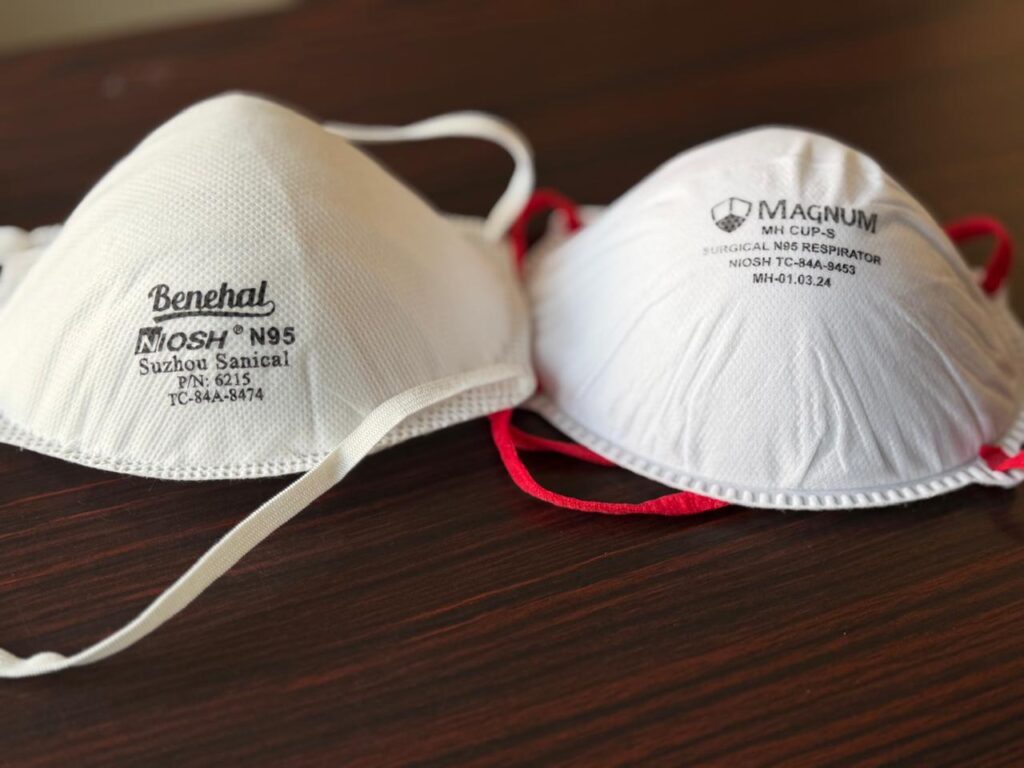
| Feature / Specification | Benehal N95 Series (e.g., MS6115L / MS8225) | Primarily designed for airborne particles, standard models lack high-velocity splash protection. |
| Primary Classification | Standard Particulate Respirator. | Surgical N95 Respirator. |
| Certifications | NIOSH Approved. | Dual NIOSH Approved & US FDA Cleared. |
| Fluid Resistance | Primarily designed for airborne particles; standard models lack high-velocity splash protection. | High Fluid Resistance against splashes, sprays, and high-velocity streams of blood/bodily fluids. |
| Design / Form Factor | Offers both rigid cup shapes and flat-fold travel configurations. | Ergonomic cup-shaped molded shell with an embedded crush-resistant design. |
| Nose Clip Engineering | Features adjustable external metallic nose pieces or invisible nose pads. | Features an inside nose clip sealed between layers to avoid popping out or catching. |
| Target Application | Construction, woodworking, general biology labs, and public pandemic safety. | Operating rooms, sterile fields, and high-risk surgical environments. |
| Manufacturer | Suzhou Sanical Protective Product Manufacturing (China). | Magnum Health and Safety Pvt. Ltd. (India). |
Keynotes for Safe and Effective Usage
To maximize the protective capabilities of any N95 respirator, adhere strictly to the following parameters:
Proper Donning and Fit Testing
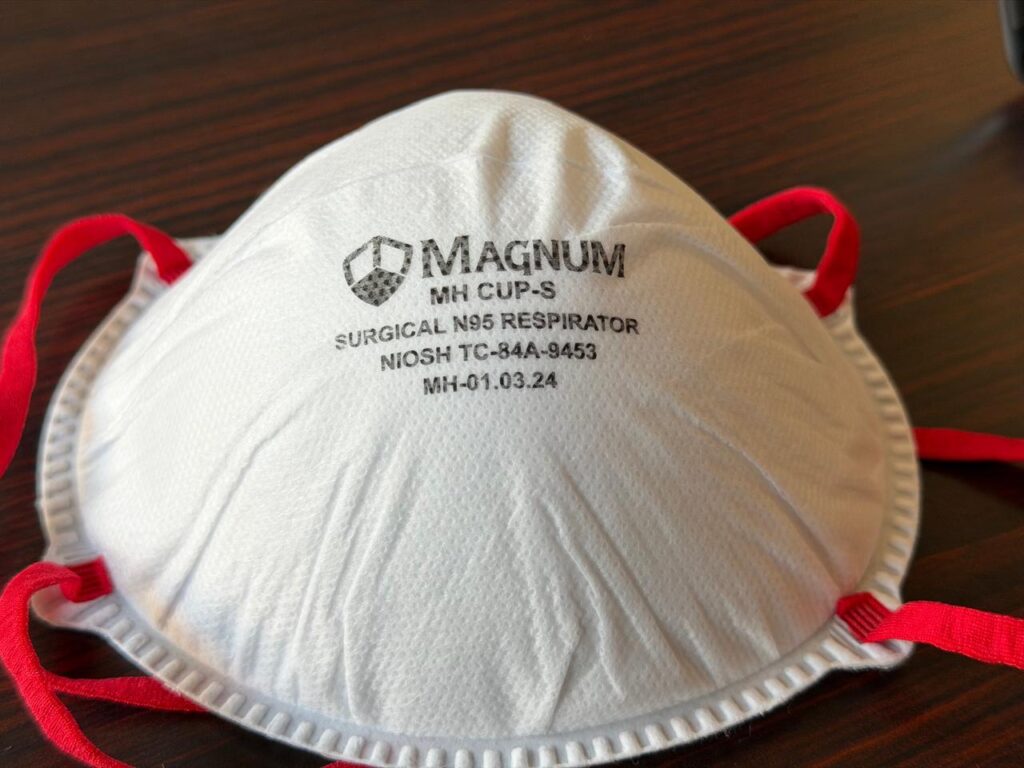
- Head Straps vs. Ear Loops: True NIOSH-approved N95 masks utilize two elastic head straps (not ear loops) to ensure enough tension for a secure facial perimeter seal.
- The Fit Check: Every time you put on the respirator, cup your hands over it and inhale deeply. The mask should collapse slightly inward. Exhale to ensure no air leaks past your eyes or cheeks.
- Facial Hair Restriction: A tight seal cannot be achieved over beards or stubble. Wearers must be clean-shaven where the mask edge meets the skin.

Limitations and Disposal
- No Gas Protection: N95 masks do not protect against chemical vapors, gases, ozone, or hazardous fumes (such as paint thinners or tear gas).
- Time-Use Allocation: While primarily marketed as disposable, an N95 can be worn until it becomes physically damaged, visibly soiled, or breathing resistance increases significantly.
- Exhalation Valves: Avoid using N95 masks equipped with exhalation valves if you are using them for source control, as they let your unfiltered breath escape into the room.
Further Readings
- https://www.magnumohs.com/documents/MH%20CUP%20N95.pdf
- https://www.benehal.com/ms6115l/
- https://www.benehal.com/ms8225/
- https://www.ctbiotech.com/products/magnum-3d-plus-s
- https://ppeo.com/goods/benehal-niosh-n95-particulate-respirator-ms8225-suzhou-sanical-mask/?srsltid=AfmBOorEWQrxq9W8gk9BRyqAs8GozqvhaPNXn5oFI0pteNW-PP6AYpvS
- https://www.magnumohs.com/n95-masks
- https://health.nifc.gov/node/9
- https://www.crisisreadymedia.org/masks
- https://www.cdc.gov/niosh/media/pdfs/2024/12/NPPTL_INFO_UnderstandingtheDifference_2018.pdf
- https://multimedia.3m.com/mws/media/1820269O/respiratory-protection-in-healthcare-qrg-standard-n95-vs-surgical-n95-respirators.pdf