TOP 10 Bacterial Diseases: Introduction, List, Pathogenicity, Lab Diagnosis, Treatment, Prevention, and Keynotes

Introduction to Bacterial Diseases Bacterial diseases are illnesses caused by pathogenic bacteria entering the body, multiplying, and releasing toxins that damage host tissues. These pathogens spread through contaminated food, water, airborne droplets, sexual contact, or vectors. Despite the advent of antibiotics, bacterial infections remain a …

Read more

Food Poisoning:  Introduction, Types, Signs and Symptoms, Common Pathogens, Laboratory Diagnosis, Treatment, Prevention and Control, and Keynotes

Introduction Food poisoning, also known as foodborne illness, is a widespread and potentially serious public health concern that occurs when individuals consume contaminated or spoiled food. It is caused by the ingestion of harmful microorganisms such as bacteria, viruses, parasites, or their toxins, which can …

Read more

Shigella sonnei: Introduction, Morphology, Pathogenicity, Lab Diagnosis, Treatment, Prevention, and Keynotes

Shigella sonnei in wet mount of Tryptone soy broth microscopy

Introduction Shigella sonnei is a bacterium that is responsible for causing shigellosis, a type of bacterial infection affecting the digestive system. Shigellosis is commonly characterized by symptoms such as diarrhea, abdominal pain, fever, and occasionally, bloody stools. It is a specific serotype of the Shigella …

Read more

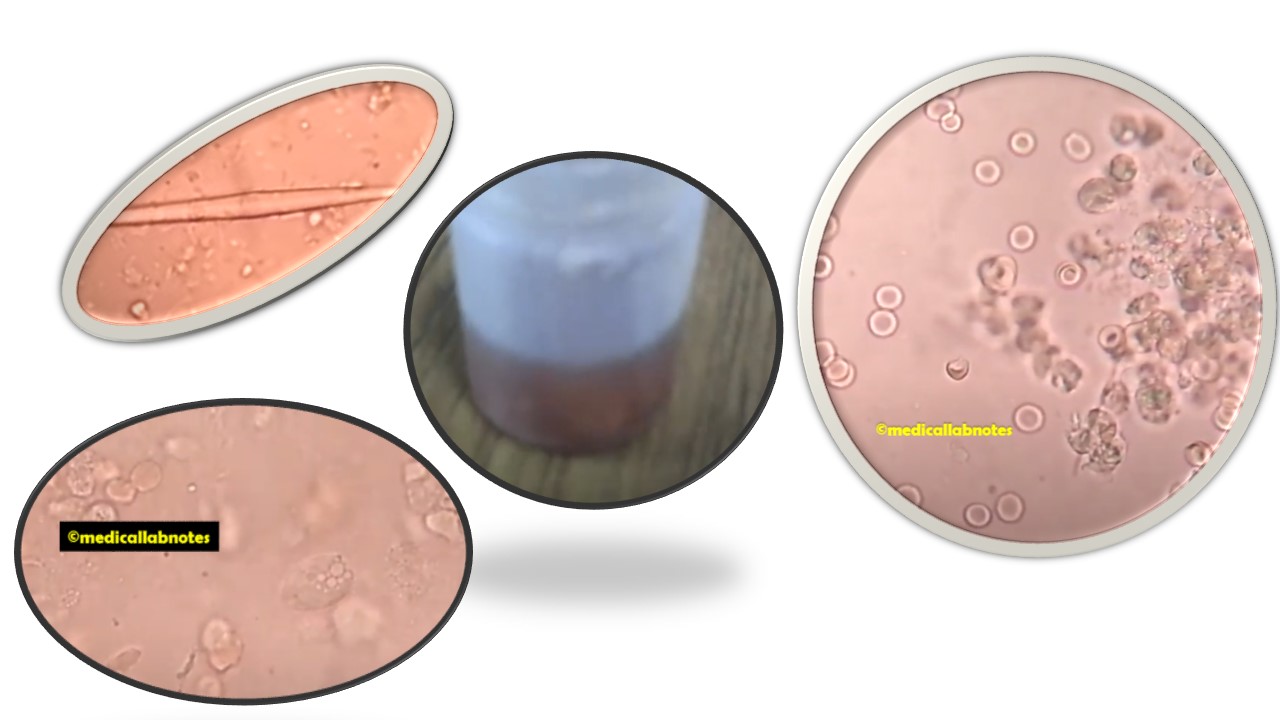
Amoebic and Bacillary dysentery: Introduction, Differences, and Keynotes

Amoebic dysentery Vs Bacillary dysentery- Introduction, Differences, and Keynotes

Introduction of Amoebic dysentery and Bacillary dysentery Amoebic dysentery or amoebiasis is an intestinal infection caused by a unicellular (protozoan) parasite, Entamoeba histolytica whereas bacillary dysentery or shigellosis is a bacterial disease caused by a group of non-motile bacteria called Shigella species. Differences between Amoebic …

Read more