Orientia and Rickettsia: Introduction, Comparison, Key Differences, Treatment and Diagnosis
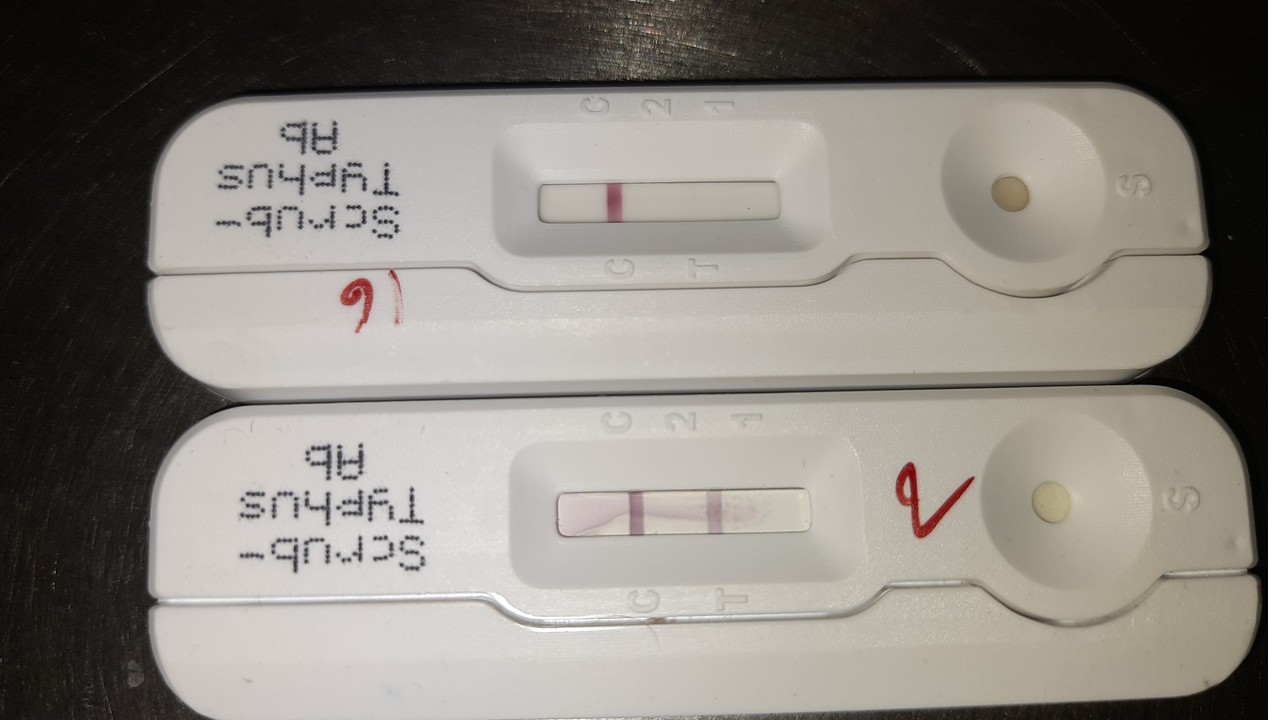
Scrub Typhus (Orientia tsutsugamushi) Rapid Test positive and negative results

Introduction Orientia and Rickettsia are two closely related genera of bacteria within the family Rickettsiaceae. Both are small, gram-negative, obligate intracellular pathogens, meaning they can only grow and replicate inside the living cells of their hosts. While they share many clinical features—such as causing fever, …

Read more

Ureaplasma: Introduction, Morphology, Pathogenicity, Lab Diagnosis, Treatment, Prevention, and Keynotes

Introduction Ureaplasma is a genus of bacteria that belong to the class Mollicutes. These bacteria are characterized by their small size, lack of a cell wall, and a simple structure. Ureaplasma species (they) are known to colonize the human urogenital tract and are associated with …

Read more

Chlamydia trachomatis: Introduction, Morphology, Pathogenicity, Lab Diagnosis, Treatment, Prevention, and Keynotes

Introduction Chlamydia trachomatis is a gram-negative bacterium and is an important human pathogen known for causing several diseases. It is an obligate intracellular bacterium, meaning it can only survive and reproduce inside host cells. C. trachomatis primarily infects epithelial cells of the mucous membranes in …

Read more