
Introduction
Table of Contents
N95 and KN95 masks are high-filtration Filtering Facepiece Respirators (FFRs) designed to protect wearers from airborne particulates. Both are engineered to trap at least 95% of microscopic, non-oil-based particles down to 0.3 microns in size, including dust, pollen, bacteria, and viruses. While they serve the same protective objective, they are governed by distinct international regulatory bodies, testing protocols, and physical design architectures.
Key Differences
The primary variation between the two respirators stems from their technical certification and target implementation markets:
- N95 Respirators: Certified under United States regulations by the National Institute for Occupational Safety and Health (NIOSH), a division of the CDC. They are the regulatory gold standard for workplace safety and sterile medical environments in the US.
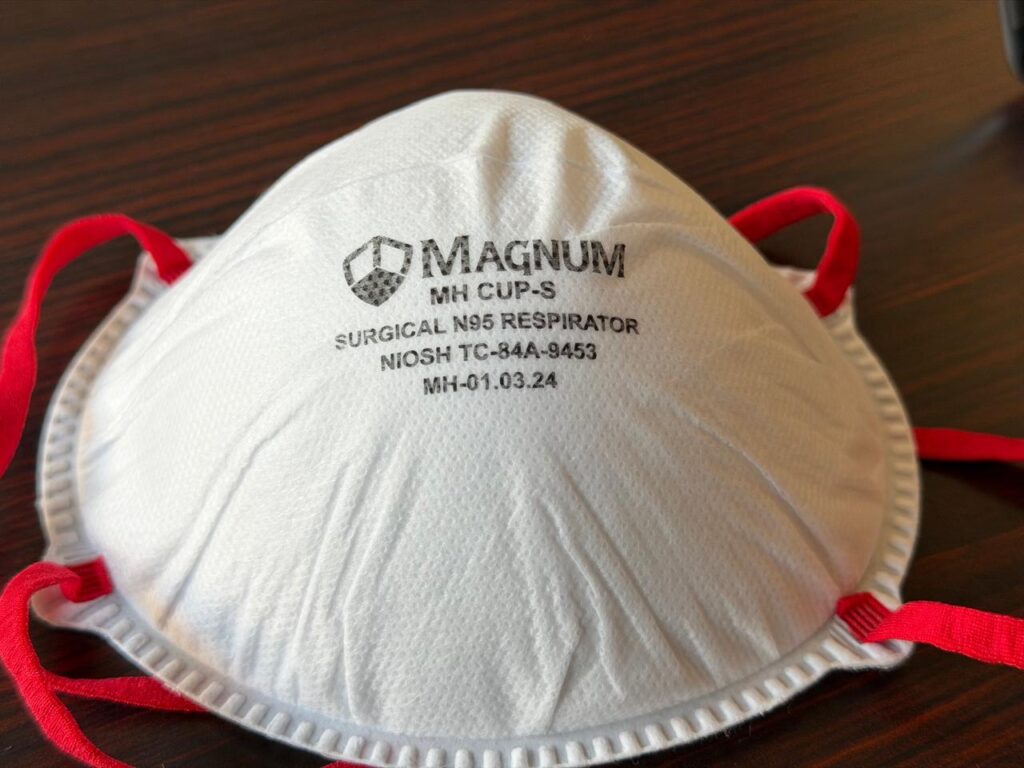
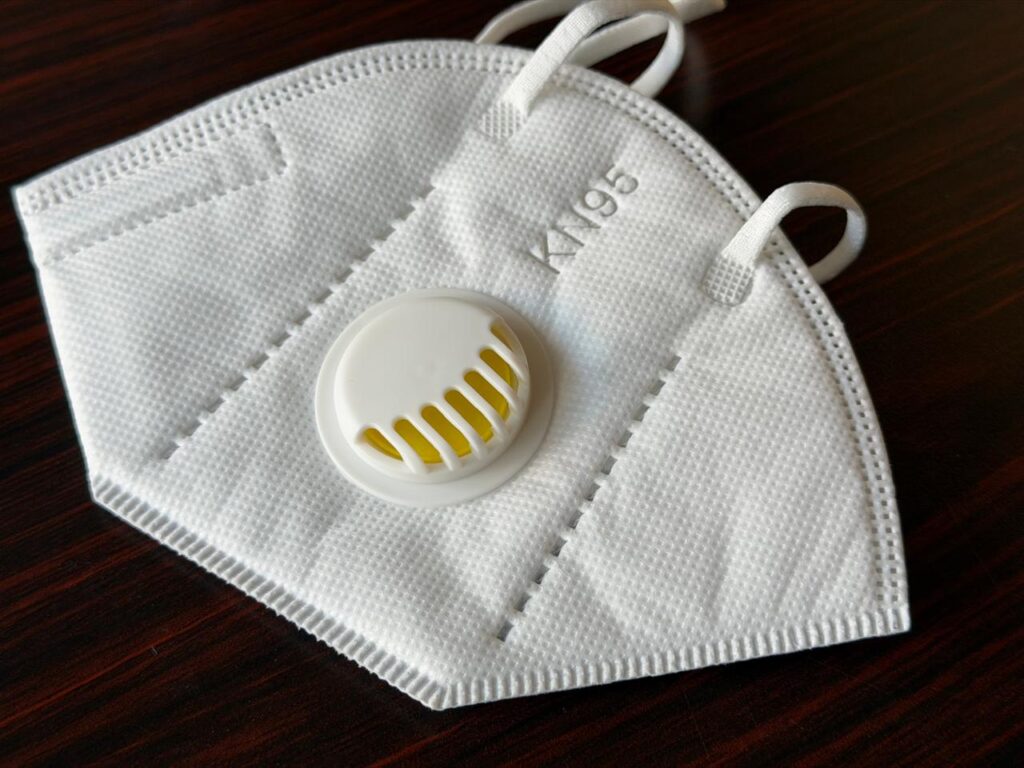
- KN95 Masks: Built to comply with China’s national regulatory testing guidelines, governed under the GB 2626-2019 framework. They are broadly utilized globally across consumer, commercial, and civilian applications.
Comparison of Design and Performance
1. Attachment Mechanism and Facial Seal
- N95 Design: Requires two elastic headbands that wrap around the back of the skull and neck. This structural dynamic pulls the mask firmly against the skeletal features of the face, forming an airtight perimeter.
- KN95 Design: Typically features elastic ear loops. While ear loops make the mask faster to apply and remove (donning and doffing), they exert less mechanical tension. This increases the likelihood of edge leakage, causing unfiltered air to bypass the filter medium.
2. Regulatory Testing Frameworks
- Aerosol Testing: Both standards utilize a Sodium Chloride (NaCl) salt aerosol challenge at a consistent flow rate of 85 liters per minute to verify the ≥95% filtration baseline.
- Leakage Testing: The Chinese GB 2626-2019 standard directly mandates an inward leakage testing protocol on human subjects, requiring a total inward leakage (TIL) score of ≤8%. NIOSH N95 certification handles leakage prevention through manufacturing design audits alongside mandatory workplace-level fit testing.
- Breathability (Pressure Drop): N95 guidelines demand stricter maximum limits on airflow resistance during inhalation and exhalation. This translates to marginally lower resistance values compared to KN95 specifications, reducing breathing effort during long periods of movement.
| Feature / Standard | N95 Respirator | KN95 Mask |
| Certifying Authority | US NIOSH (CDC) | Standardization Administration of China |
| Governing Standard | 42 CFR Part 84 | GB 2626-2019 |
| Minimum Filtration | ≥95% of particles ≥0.3 µm | ≥95% of particles ≥0.3 µm |
| Strapping Profile | Dual head straps (Mandatory) | Ear loops (Predominant) |
| Inhalation Resistance | ≤343 Pa maximum limit | ≤350 Pa maximum limit |
| Exhalation Resistance | ≤245 Pa maximum limit | ≤250 Pa maximum limit |
| Primary Deployment | Clinical healthcare & industrial job sites | Consumer public safety & general industry |
Verification and Counterfeit Prevention
Due to market saturation, the CDC notes a substantial volume of counterfeit consumer PPE. You can verify legitimate units by checking specific markers:
- Authenticating N95s: Genuine N95s always print the manufacturer name, “NIOSH”, the filter classification (“N95”), and a distinct Test & Certification (TC) approval number (e.g., TC-84A-XXXX) directly on the front surface. They never feature ear loops. You can run structural cross-references using the NIOSH Certified Equipment List.
- Authenticating KN95s: Authentic KN95 models require an explicit stamp referencing the mandatory standard GB 2626-2019 directly on the fabric facepiece. If a mask is stamped with no standard or states “GB 2626-2006”, it points to either a counterfeit item or a batch produced under expired manufacturing regulations.
Further Readings
- https://www.fda.gov/medical-devices/personal-protective-equipment-infection-control/n95-respirators-surgical-masks-face-masks-and-barrier-face-coverings
- https://www.armbrustusa.com/blogs/news/whats-the-difference-between-kn95-and-n95-masks
- https://www.hbwanli.com/info/what-are-the-differences-between-n95-and-kn95-102867232.html
- https://www.halyardhealth.in/wp-content/uploads/What-is-the-difference-between-a-KN95-P2-and-N95.pdf
- https://www.cdc.gov/niosh/ppe/php/community-respirators-masks/types-of-respirators-and-masks.html
- https://bnx.com/made-in-usa/n95-mask-respirators-kn95-face-masks/kn95-masks-gb2626-2019/
- https://blog.gotopac.com/2020/06/04/kn95-3m-n95-differences-uses-filter-performance-data/
- https://www.ancor.org/connections/n95-vs-kn95-masks-whats-difference/
- https://www.hbwanli.com/info/what-are-the-differences-between-n95-and-kn95-102867232.html
- https://www.projectn95.org/kn95-mask-guide/
- https://www.mellowwalk.com/pages/oliberte/so-whats-with-the-kn95-mask
- https://n95medicalsupplies.com/pages/kn95-vs-n95-mask