Bacteriophages-Introduction, Morphology, Pathogenicity, Lab Diagnosis, Treatment, Prevention, and Keynotes

Introduction Bacteriophages, often called phages for short, are viruses that specifically infect and replicate within bacteria. They are among the most abundant and diverse biological entities on Earth and play a crucial role in regulating bacterial populations in various ecosystems. Here’s an introduction to bacteriophages: …

Read more

BCR-ABL1 Genetic Test-Introduction, Test Result, Test Method, Clinical Significance, and Keynotes

BCR-ABL1 Genetic Test-Introduction, Test Result, Test Method, Clinical Significance, and Keynotes

Introduction The BCR-ABL1 genetic test is a diagnostic laboratory test that plays a crucial role in the diagnosis, prognosis, and management of certain types of leukemia, most notably chronic myeloid leukemia (CML) and a subset of acute lymphoblastic leukemia (ALL). This test helps identify the …

Read more

Normal Flora-Introduction, Types, Distribution on Human Body, Beneficial Role, Harmful Effects, and Keynotes

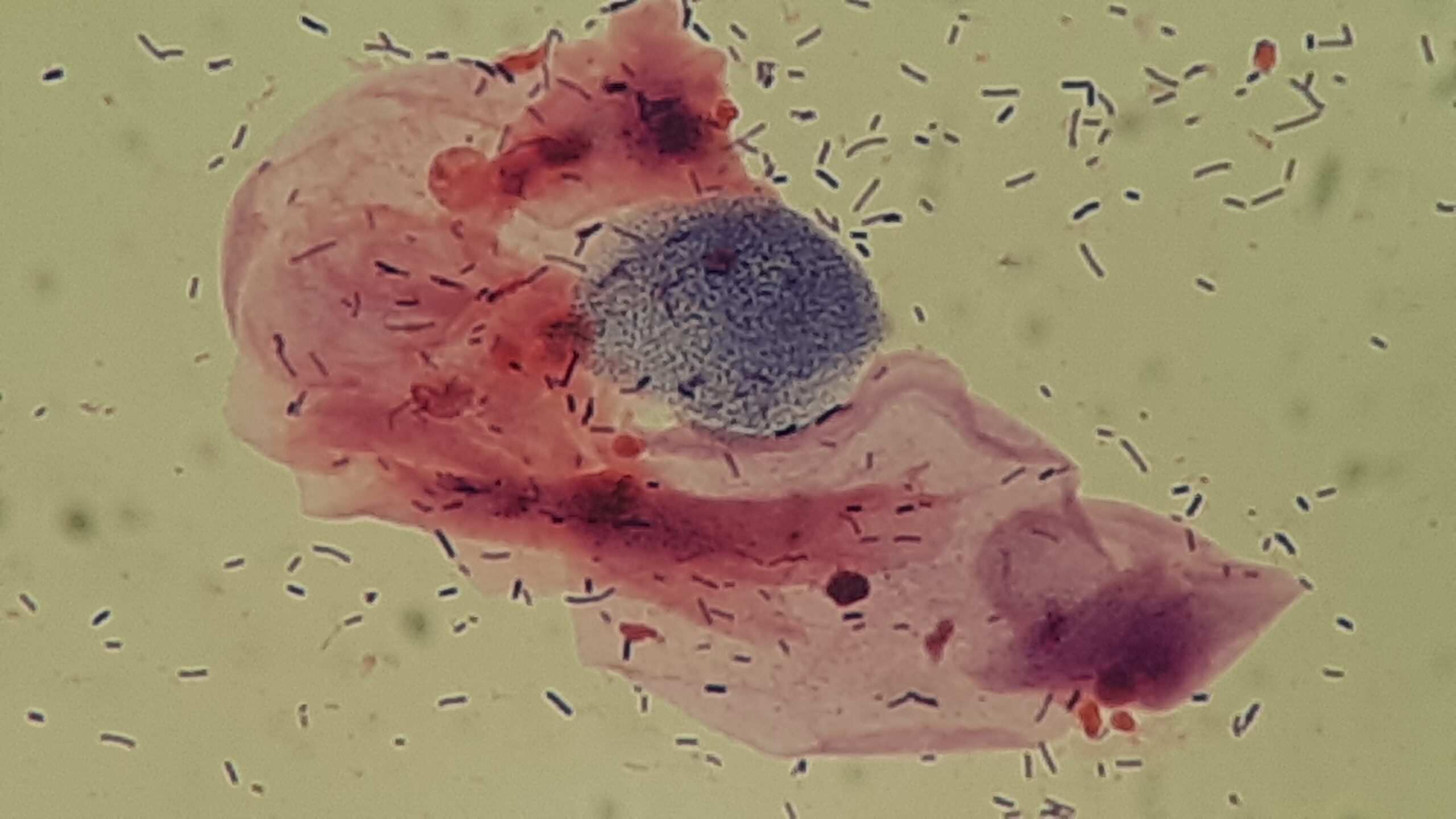
Vaginal Cell and Bacterial Interaction in Gram staining of HVS

Introduction Normal flora, also known as the microbiota or microbiome, refers to the diverse and abundant community of microorganisms that reside in and on the human body, as well as in various other organisms and ecological niches. These microorganisms include bacteria, viruses, fungi, and even …

Read more

Arsenic Blood Test-Introduction, Test Result, Unit, Reference Range, Test Methods, Clinical Significance, and Keynotes

Arsenic Blood Test-Introduction, Test Result, Unit, Reference Range, Test Methods, Clinical Significance, and Keynotes

Introduction An arsenic blood test is a medical diagnostic procedure used to measure the concentration of arsenic in a person’s bloodstream. Arsenic is a naturally occurring element that can be found in soil, water, and air. While it has some industrial applications, arsenic exposure, particularly …

Read more

Ceruloplasmin Test-Introduction, Test Result, Unit, Reference Range, Test Methods, Clinical Significance, and Keynotes

Ceruloplasmin Test-Introduction, Test Result, Unit, Reference Range, Test Methods, Clinical Significance, and Keynotes

Introduction The Ceruloplasmin Test is a medical diagnostic test used to measure the levels of ceruloplasmin in a person’s blood. Ceruloplasmin is a copper-binding protein that plays a vital role in copper metabolism and transport in the body. This test helps in assessing copper-related disorders …

Read more

Urine Protein electrophoresis Test-Introduction, Test Result, Unit, Reference Range, Test Methods, Clinical Significance, and Keynotes

Urine Protein electrophoresis Test-Introduction, Test Result, Unit, Reference Range, Test Methods, Clinical Significance, and Keynotes

Introduction Urine Protein Electrophoresis (UPEP) is a medical diagnostic test used to analyze and separate the proteins found in a urine sample. This test is primarily performed to detect and identify abnormal proteins, particularly those associated with certain medical conditions, including kidney disorders, multiple myeloma, …

Read more

Vitamin D 1,25 Dihydroxy (Calcitriol) Blood Test-Introduction, Test Result, Unit, Reference Range, Test Methods, Clinical Significance, and Keynotes

Introduction The Vitamin D 1,25-dihydroxy (calcitriol) blood test, also known as the 1,25-dihydroxycholecalciferol test or simply the calcitriol test, is a laboratory examination that measures the concentration of active vitamin D metabolite, calcitriol, in the bloodstream. Calcitriol is the biologically active form of vitamin D …

Read more

Alcohol Blood Test-Introduction, Test Result, Unit, Reference Range, Test Methods, Clinical Significance, and Keynotes

Introduction An alcohol blood test, also known as a blood alcohol test or ethanol blood test, is a medical laboratory test that measures the concentration of alcohol (ethanol) in a person’s bloodstream. This test is commonly used to determine whether an individual has consumed alcohol …

Read more