Trichuris trichiura-Introduction, Morphology, Life Cycle, Pathogenicity, Lab Diagnosis, Treatment, Prevention, and Keynotes
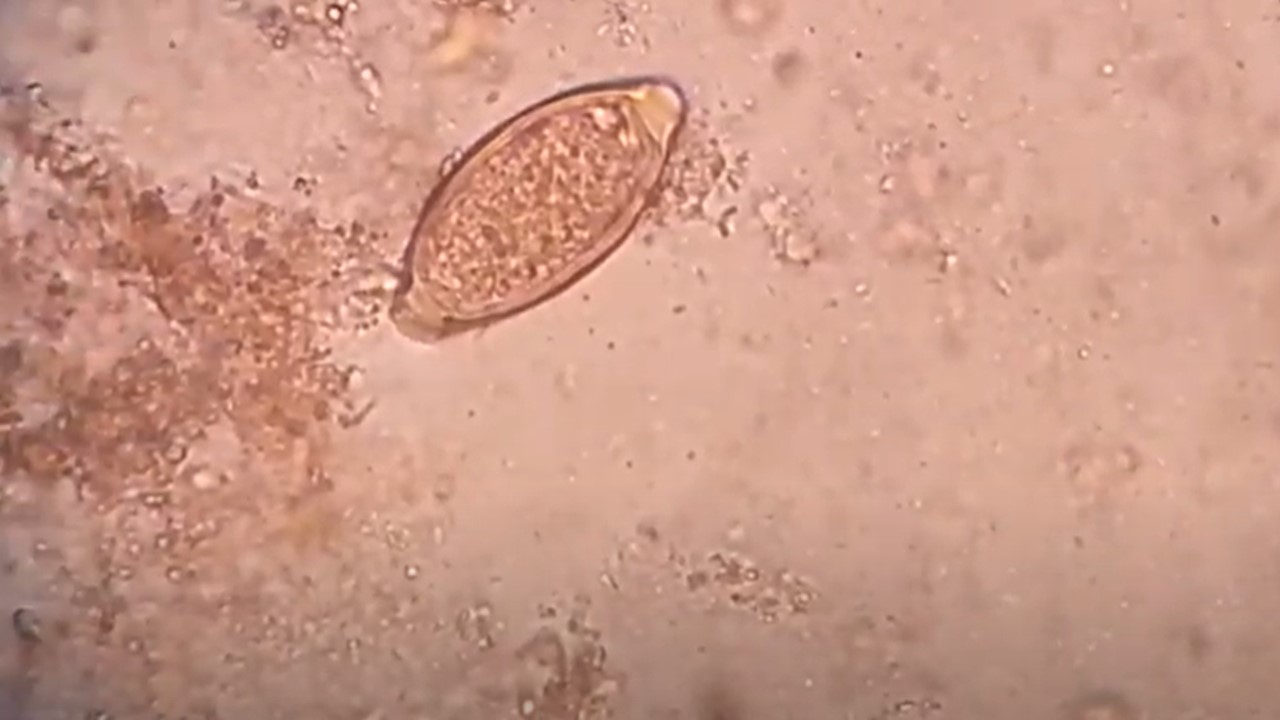
Egg of Trichuris trichura or Whipworm

Introduction Trichuris trichiura, commonly known as the whipworm, is a parasitic nematode (roundworm) that infects the human gastrointestinal tract, primarily the cecum and colon. This parasite is one of the major soil-transmitted helminths (STH) that affect humans worldwide. Here is an introduction to Trichuris trichiura: …

Read more

Brain Natriuretic Peptide (BNP) Test-Introduction, Test Result, Unit, Reference Range, Test Methods, Clinical Significance, and Keynotes

Introduction The Brain Natriuretic Peptide (BNP) test is a medical diagnostic tool used to assess the functioning of the heart, specifically in the evaluation of heart failure. BNP is a hormone produced by the heart in response to increased pressure and stretching of heart muscle …

Read more

Osteocalcin Test-Introduction, Test Result, Unit, Reference Range, Test Methods, Clinical Significance, and Keynotes

Introduction The osteocalcin test, also known as the bone Gla-protein or BGP test, is a medical diagnostic tool used to measure the levels of osteocalcin in the blood. Osteocalcin is a protein primarily produced by osteoblasts, which are cells responsible for bone formation. This test …

Read more

Micrococcus luteus-Introduction, Morphology, Pathogenicity, Lab Diagnosis, Treatment, Prevention, and Keynotes

Micrococcus luteus colony morphology on Nutrient agar

Introduction Micrococcus luteus, often simply referred to as M. luteus, is a Gram-positive, spherical bacterium belonging to the genus Micrococcus. This bacterium is commonly found in various environments, including soil, dust, water, and on the human skin. Micrococcus species are known for their distinctive yellow …

Read more

Respiratory Tract Infections-Introduction, Types, Signs and Symptoms, Common Pathogens, Laboratory Diagnosis, Treatment, Prevention and Control, and Keynotes

Respiratory Tract Infections-Introduction, Types, Signs and Symptoms, Common Pathogens, Laboratory Diagnosis, Treatment, Prevention and Control, and Keynotes

Introduction Respiratory tract infections (RTIs) are a group of illnesses that affect the respiratory system, which includes the organs and structures involved in breathing. These infections can range from mild to severe and may involve various parts of the respiratory tract, including the upper and …

Read more

Lactobacillus-Introduction, Morphology, Pathogenicity, Lab Diagnosis, Treatment, Prevention, and Keynotes

Lactobacillus and Candida growth on blood agar of curd culture

Introduction Lactobacillus is a genus of bacteria that plays a crucial role in various biological processes, particularly in the fermentation of foods and beverages, as well as in maintaining the balance of the microbiota in the human body. This genus belongs to the lactic acid …

Read more

Dental Caries-Introduction, Types, Signs and Symptoms, Common Pathogens, Laboratory Diagnosis, Treatment, Prevention and Control, and Keynotes

Dental Caries-Introduction, Types, Signs and Symptoms, Common Pathogens, Laboratory Diagnosis, Treatment, Prevention and Control, and Keynotes

Introduction Dental caries, commonly known as tooth decay or cavities, is a prevalent and multifactorial oral health condition that affects people of all ages worldwide. It is one of the most common chronic diseases, with significant implications for oral and overall health. Dental caries results …

Read more

H9 HbA1C Analyzer (HPLC)-Introduction, Principle, Handling Procedure, Application, and Keynotes

H9 HbA1C Analyzer (HPLC)-Introduction, Principle, Handling Procedure, Application, and Keynotes

Introduction of H9 HbA1C Analyzer The “H9 HbA1c Analyzer (HPLC)” appears to be a medical device used for the measurement of Hemoglobin A1c (HbA1c) levels in blood samples. Let me break down what this means: Here’s how the process typically works: Measuring HbA1c levels is …

Read more