Cholinesterase Test-Introduction, Test Result, Unit, Reference Range, Test Methods, Clinical Significance, and Keynotes

Introduction The cholinesterase test is a significant diagnostic tool in both clinical and occupational medicine. Here’s an introduction to it: Cholinesterase Test: An Introduction Cholinesterase is an enzyme that plays a pivotal role in nerve function in both humans and insects. It’s responsible for breaking …
Read more

Haptoglobin Test-Introduction, Test Result, Unit, Reference Range, Test Methods, Clinical Significance, and Keynotes

Introduction Haptoglobin is an acute-phase protein synthesized primarily in the liver. Its main physiological function is to bind free hemoglobin (Hb) released from erythrocytes, forming a stable haptoglobin-hemoglobin complex. This prevents the loss of iron and potential kidney damage that could result from hemoglobin passing …

Read more

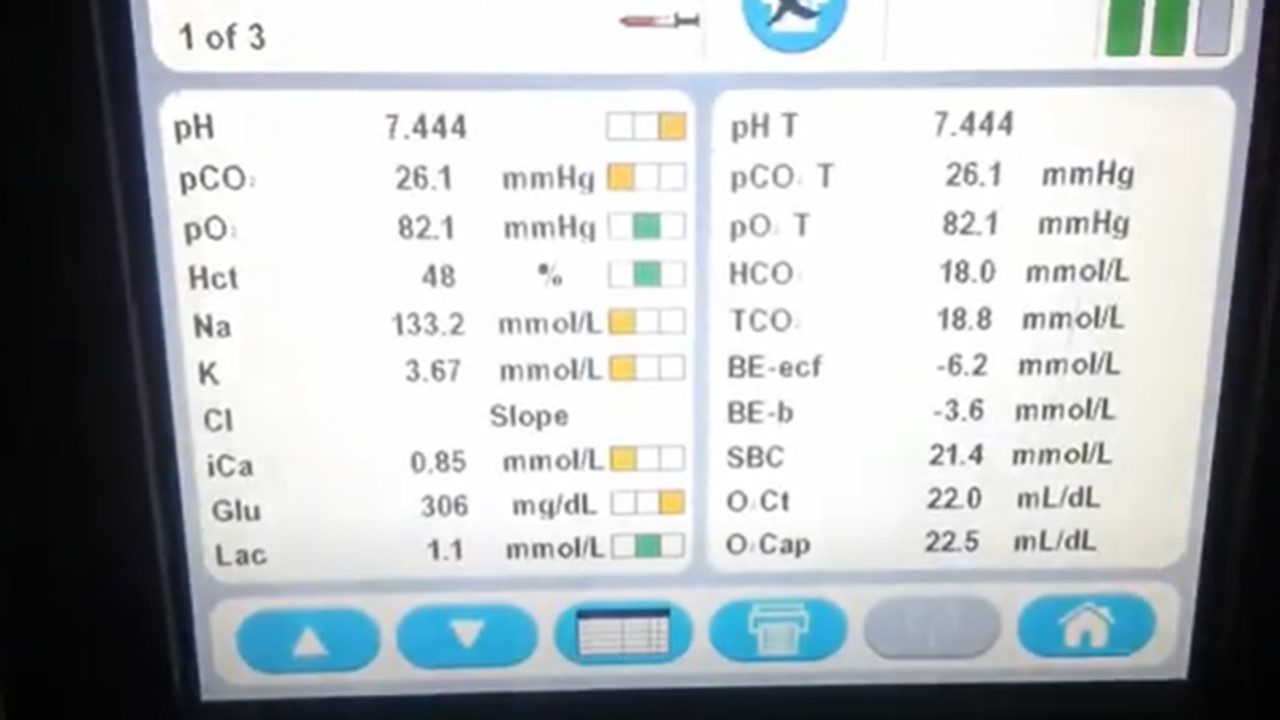
Arterial Blood Gas (ABG) Analysis: Introduction, Test Result, Unit, Reference Range, Test Methods, Clinical Significance, and Keynotes

Arterial Blood Gas (ABG) Analysis: Introduction, Test Result, Unit, Reference Range, Test Methods, Clinical Significance, and Keynotes

Introduction Arterial Blood Gas (ABG) analysis is a medical diagnostic test that measures the acidity (pH) and the levels of oxygen and carbon dioxide in arterial blood. This test provides crucial information about a patient’s respiratory and metabolic status, helping healthcare providers assess the efficiency …

Read more

Cadmium Blood Test-Introduction, Test Result, Unit, Reference Range, Test Methods, Clinical Significance, and Keynotes

Cadmium Blood Test-Introduction, Test Result, Unit, Reference Range, Test Methods, Clinical Significance, and Keynotes

Introduction A cadmium blood test is a medical diagnostic procedure that measures the concentration of cadmium in a person’s bloodstream. Cadmium is a toxic heavy metal that can be harmful to human health when present in excessive amounts. This test is typically ordered by healthcare …

Read more

Lead Blood Test-Introduction, Test Result, Unit, Reference Range, Test Methods, Clinical Significance, and Keynotes

Lead Blood Test-Introduction, Test Result, Unit, Reference Range, Test Methods, Clinical Significance, and Keynotes

Introduction A lead blood test, also known as a blood lead level test or BLL test, is a medical diagnostic procedure used to measure the concentration of lead in a person’s bloodstream. Lead is a toxic heavy metal that can have harmful effects on various …

Read more

Mercury Blood Test-Introduction, Test Result, Unit, Reference Range, Test Methods, Clinical Significance, and Keynotes

Mercury Blood Test-Introduction, Test Result, Unit, Reference Range, Test Methods, Clinical Significance, and Keynotes

Introduction A Mercury Blood Test, also known as a blood mercury level test or serum mercury test, is a medical diagnostic procedure used to measure the concentration of mercury in a person’s bloodstream. Mercury is a heavy metal that can have toxic effects on the …

Read more

Selenium Blood Test-Introduction, Test Result, Unit, Reference Range, Test Methods, Clinical Significance, and Keynotes

Introduction A selenium blood test is a diagnostic test that measures the concentration of selenium in a person’s bloodstream. Selenium is an essential trace element and a micronutrient that plays a crucial role in various physiological processes in the human body. It is obtained through …

Read more

Lactate Test-Introduction, Test Result, Unit, Reference Range, Test Methods, Clinical Significance, and Keynotes

Introduction A lactate test, also known as a lactic acid test, is a medical diagnostic test that measures the concentration of lactate in the blood. Lactate is a molecule produced when the body breaks down glucose for energy, particularly during periods of intense physical activity …

Read more