Acetate Utilization Test: Introduction, Composition, Principle, Test Requirements, Test Procedure, Result and Interpretation, and Keynotes
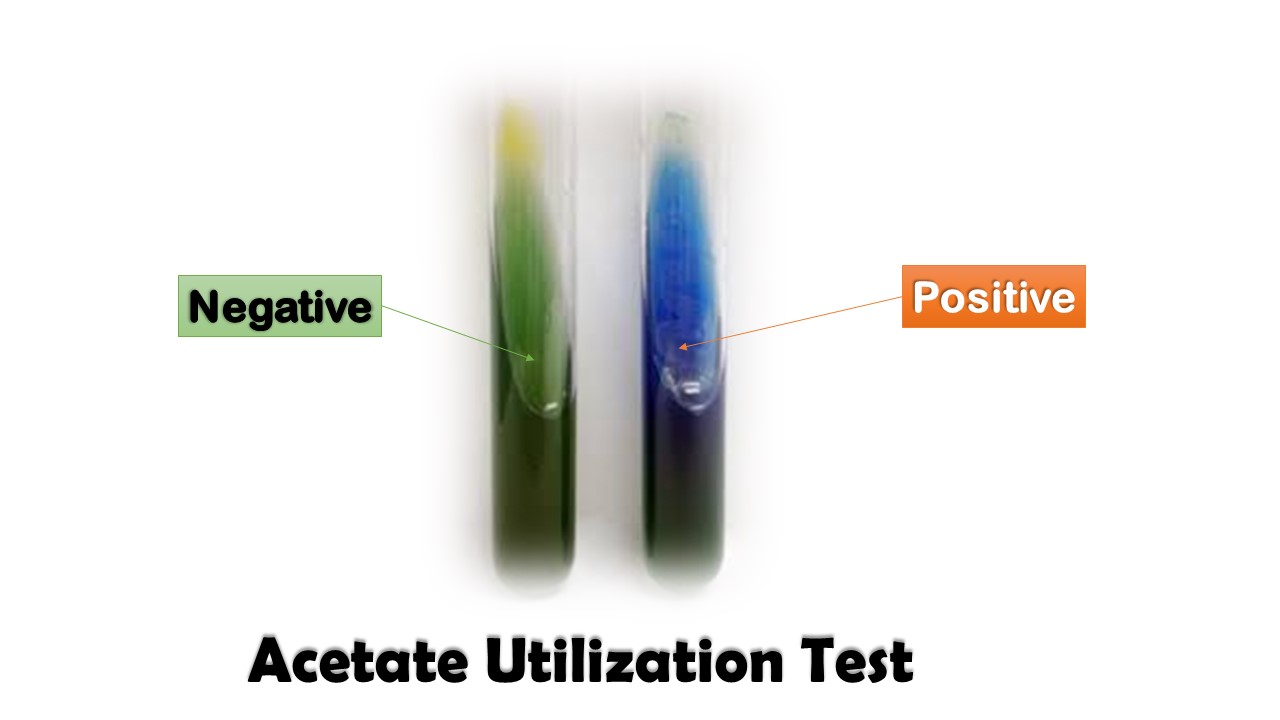
Acetate Utilization Test-Negative (left) and Positive (right side)

Introduction of Acetate Utilization Test Acetate Utilization Test ueses to determine the ability of an organism to use acetate as the sole source of carbon same as in the citrate utilization test for Enterobacteriaceae. It is the recommended assay for the differentiation of Shigella species from Escherichia coli. Composition of …

Read more

Corn Meal Agar (CMA): Introduction, Composition, Principle, Test Requirements, Test Procedure, Result-Interpretation, Colony Characteristics, Uses, and Keynotes

Colony Morphology of Aspergillus flavus on cornmeal agar (CMA) demonstration

Introduction of Corn Meal Agar (CMA) Corn Meal Agar (CMA) is a well-established fungal medium that is a suitable substrate for chlamydospore production by Candida albicans and the maintenance of fungal stock cultures. This is a very simple formulation containing only cornmeal infusion and agar. The addition of glucose …

Read more

Oxidation-Fermentation (OF) Test: Introduction, Composition of the medium, Test Requirements, Principle, Procedure, Result -Interpretation, and Limitations

Fermentation Test Positive and Negative Results of Bacteria

Oxidation-Fermentation (OF) Test Introduction Hugh and Leifson developed an Oxidation-Fermentation (OF) basal medium in 1953. It is a recommended medium for the detection of oxidation or fermentation of carbohydrates by bacteria. This basal medium is useful to aid in the identification of gram-negative bacteria on …

Read more

Nitrate or Nitrite Reduction Test: Introduction, Composition of Medium, Principle, Test Requirements, Procedure, Result -Interpretation, and Limitations

Nitrate or Nitrite Reduction Test

Introduction of Nitrate or Nitrite Reduction Test The nitrate or nitrite reduction test uses to determine the ability of an organism to reduce nitrate to nitrite. Anaerobic metabolism requires an electron acceptor other than atmospheric oxygen. Many gram-negative bacteria use nitrate as the final electron acceptor. The …

Read more

DNase Test: Introduction, Composition, Principle, Test Requirements, Procedure, Result -Interpretations, and Limitations

Deoxyribonuclease (DNase) Test Positive and Negative Bacteria

Introduction of DNase Test for Bacteria DNase tests positive and negative bacteria as shown below image. This test is useful for the presumptive identification of Staphylococcus aureus which produces the enzyme deoxyribonuclease (DNase) from other Staphylococci which do not produce DNase. This test is also positive in the following …

Read more

ONPG Test: Introduction, Principle, Test Requirements, Procedure, Result -Interpretation, and Keynotes

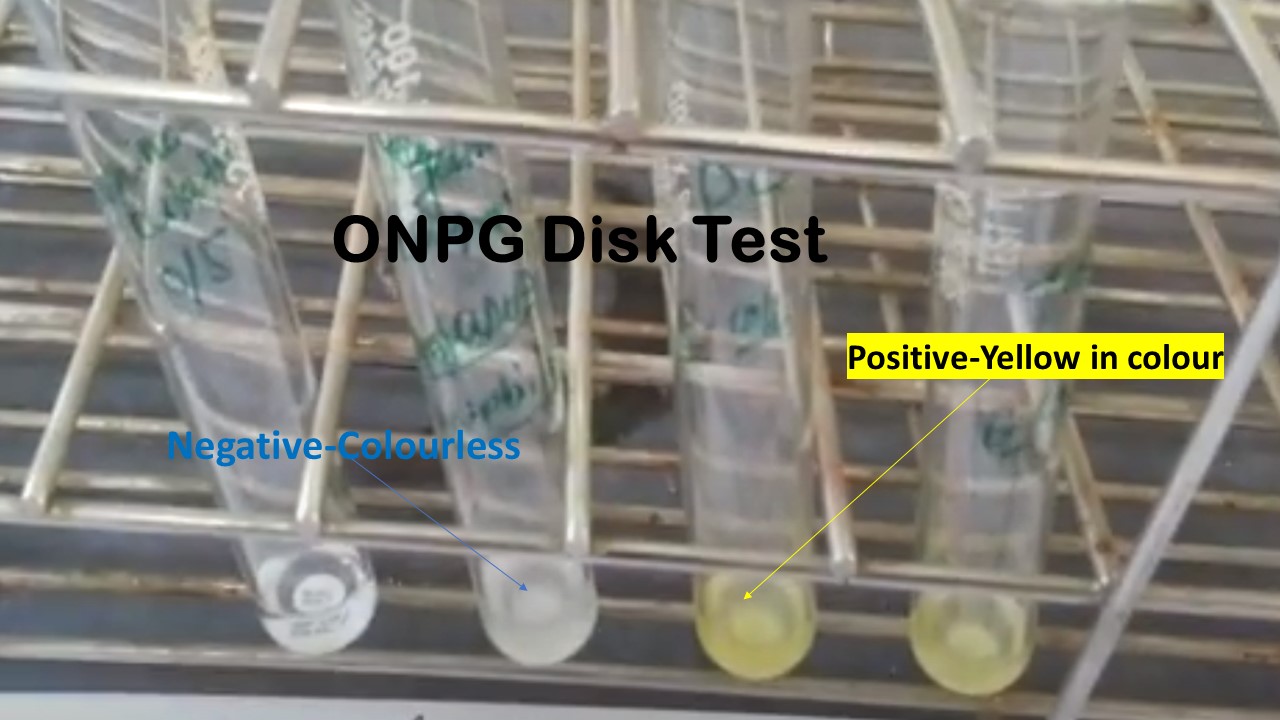
ONPG Test Negative (left) and Positive Bacteria (right)

Introduction of ONPG Test ONPG test is useful in differentiating members of the family  Enterobacteriaceae and genera Neisseria based on b-D-galactosidase activity. ONPG stands for o-Nitrophenyl-b-D-galactopyranoside. Here we discuss on ONPG Disk Test which is simple and easy to perform. Principle The ability of an organism to ferment lactose …

Read more

MIU Test: Introduction, Principle, Composition, MIU Agar Preparation, Test Procedure, Result-Interpretation, and Keynotes

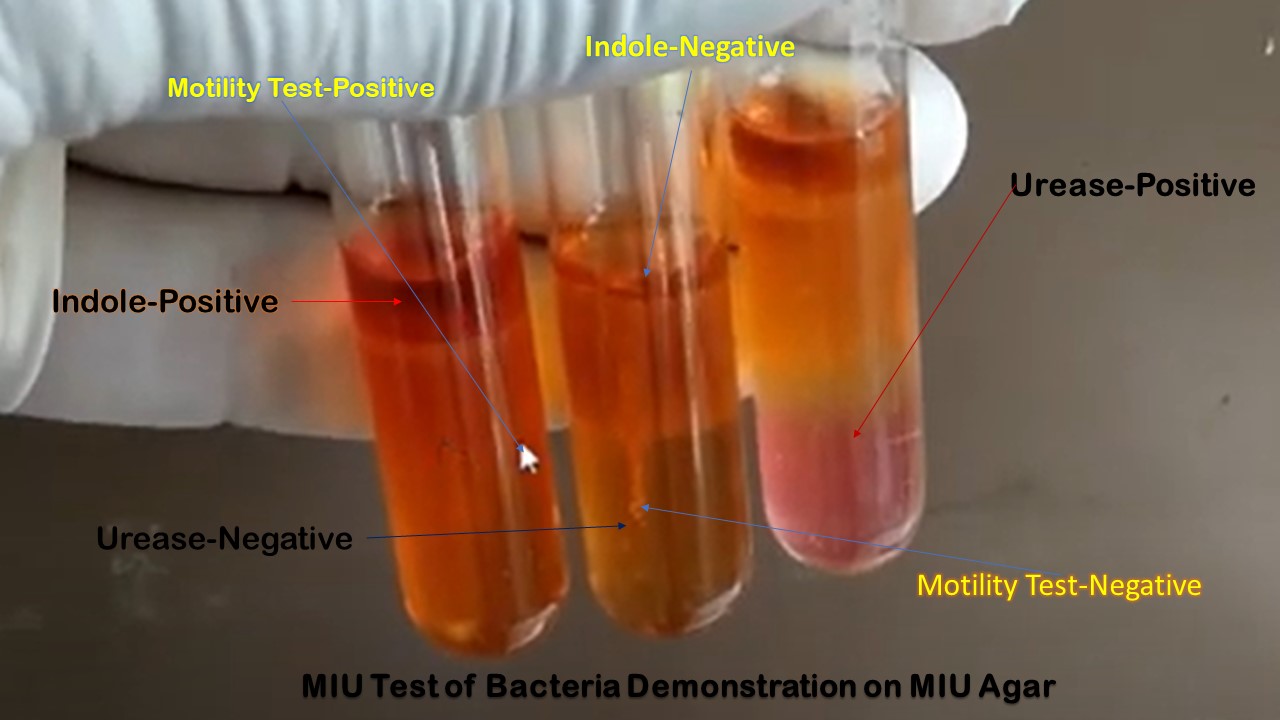
Motile and non-motile bacteria, indole positive and negative, urease positive and negative organisms on MIU agar demonstration

Introduction of MIU Test MIU test stands for motility indole urease test and it is used for three tests among them one for motility of bacteria, second for indole formation, and third for urea hydrolyzation test of bacteria. This assay is useful for the identification …

Read more

Laboratory Instruments and Equipment: Introduction, Name List, and Short Description

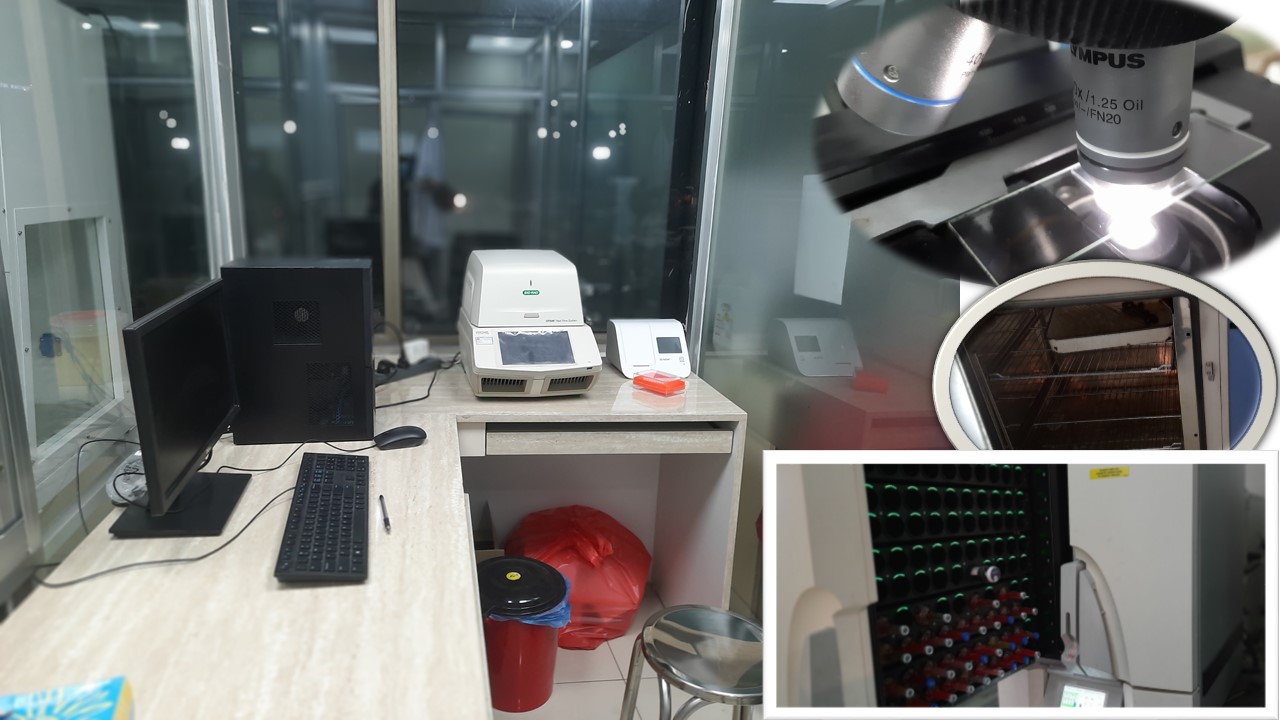
Laboratory Instruments and Equipment

Introduction of Laboratory Instruments and Equipment Laboratory Instruments and Equipment make laboratory work easy and fast. Here we discuss the instruments and equipment of the Department of Pathology and Laboratory Medicine that includes Clinical Haematology, Clinical Biochemistry, Histopathology and Cytology, Clinical Microbiology and Immunology, Blood …

Read more