Anti-Thyroid Peroxidase (Anti-TPO) Assay: Introduction, Test Result, Unit, Normal Range, Test Method, Clinical Significance, and Keynotes

Anti-Thyroid Peroxidase (Anti-TPO) Assay: Introduction, Test Result, Unit, Normal Range, Test Method, Clinical Significance, and Keynotes

Introduction The Anti-Thyroid Peroxidase (Anti-TPO) assay is a diagnostic test used to measure the levels of anti-thyroid peroxidase antibodies in a person’s blood. Thyroid peroxidase (TPO) is an enzyme found in the thyroid gland, which is responsible for the production of thyroid hormones, such as …

Read more

Urinalysis: Introduction, List of Some Common Tests, Test Report, Clinical Significance, and Keynotes

Urinalysis-Introduction, List of Some Common Tests, Test Report, Clinical Significance, and Keynotes

Introduction Urinalysis is a diagnostic medical test that involves the examination of urine to evaluate a person’s health and detect various medical conditions. It is one of the most commonly performed laboratory tests and provides valuable information about the body’s metabolism, kidney function, and overall …

Read more

Escherichia coli: Introduction, Morphology, Pathogenicity, Lab Diagnosis, Treatment, Prevention, and Keynotes

Greenish metallic sheen of Escherichia coli on Eosin Methylene Blue (EMB) Agar

Introduction Escherichia coli, often abbreviated as E. coli, is a gram-negative, rod-shaped bacterium belonging to the Enterobacteriaceae family. It is one of the most commonly studied and well-known bacteria, both because of its importance in scientific research and its relevance in various aspects of human …

Read more

Citrobacter koseri: Introduction, Morphology, Pathogenicity, Lab Diagnosis, Treatment, Prevention, and Keynotes

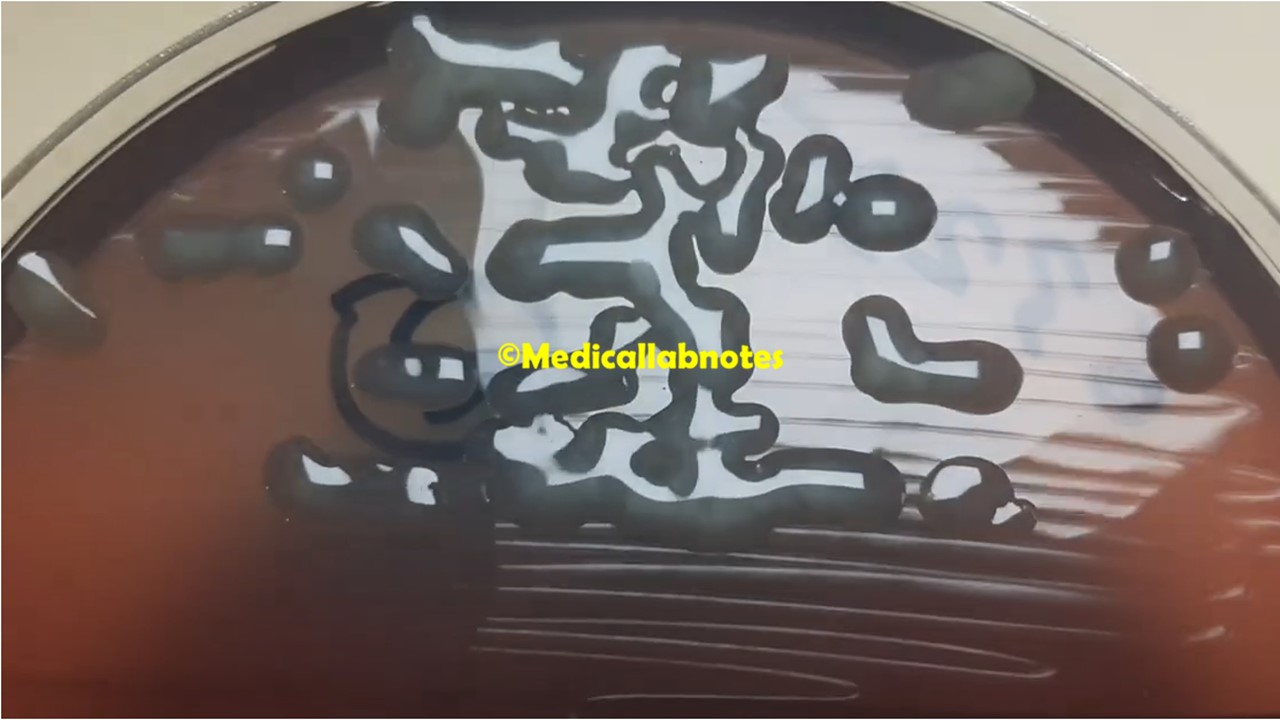
Mucoid colony of Citrobacter koseri on CLED agar of urine specimen

Introduction Citrobacter koseri, formerly known as Citrobacter diversus, is a gram-negative bacterium belonging to the Enterobacteriaceae family. It is a facultative anaerobe, meaning it can grow both in the presence and absence of oxygen. The species name “koseri” is a tribute to the bacteriologist Leo …

Read more

Scabies: Introduction, Sign and Symptoms, Laboratory Diagnosis, Treatment, Prevention and Control, and Keynotes

Introduction Scabies is a common and contagious skin infestation caused by the microscopic mite Sarcoptes scabiei. It is prevalent worldwide and can affect people of all ages and socioeconomic backgrounds. Scabies mites burrow into the top layer of the skin, where they lay eggs and …

Read more

Compound Microscope: Introduction, Principle, Parts, Uses, Care and Maintenance, and Keynotes

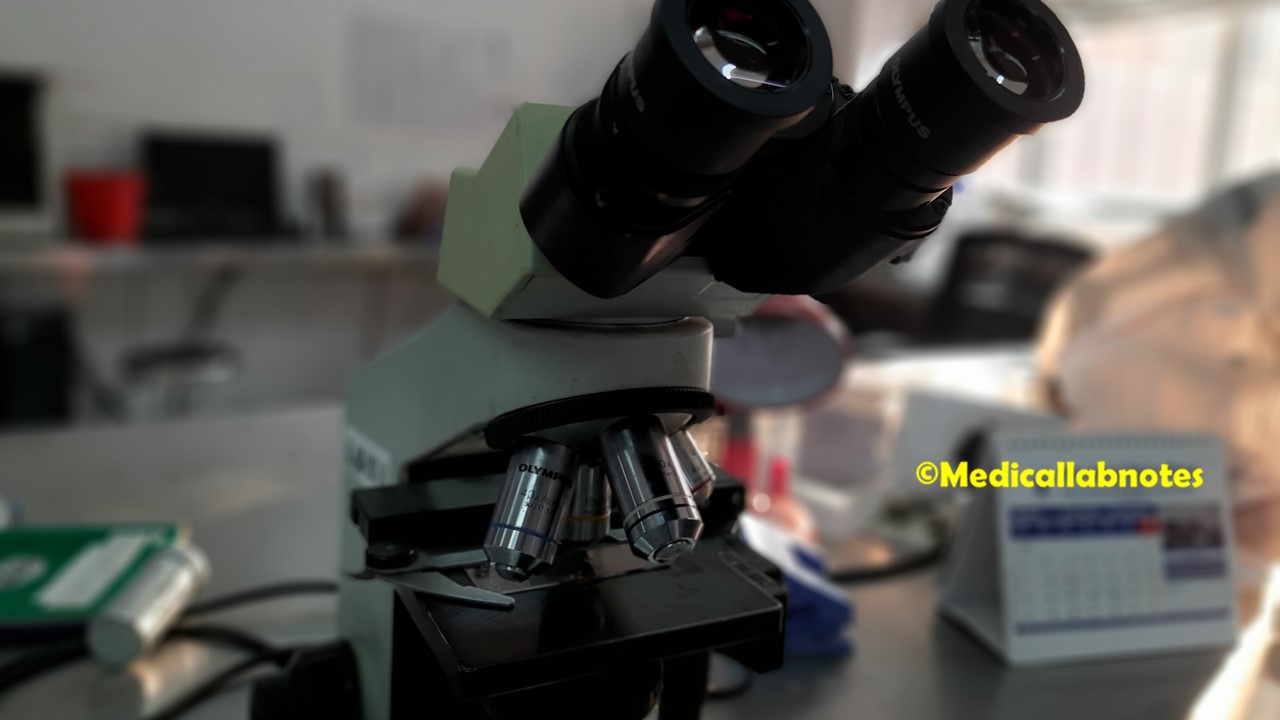
Compound Microscope- Introduction, Principle, Parts, Uses, Care and Maintenance, and Keynotes_

Introduction The compound microscope is a fundamental and widely used optical instrument that allows us to magnify and observe small objects or specimens that are otherwise invisible to the naked eye. It is an essential tool in various scientific fields, including biology, medicine, microbiology, and …

Read more

Simple Microscope: Introduction, Principle, Parts, Uses, Care and Maintenance, and Keynotes

Introduction A simple microscope is a basic optical instrument used for magnifying small objects or specimens that are not visible to the naked eye. It consists of a single lens that can be either convex or concave, mounted in a frame with a handle or …

Read more

Trichomonas vaginalis: Introduction, Morphology, Pathogenicity, Lab Diagnosis, Treatment, Prevention, and Keynotes

Introduction Trichomonas vaginalis is a parasitic protozoan that primarily infects the urogenital tract of humans, causing the sexually transmitted infection (STI) known as trichomoniasis. This microorganism is responsible for one of the most common curable STIs worldwide. T. vaginalis was first identified by Alfred Francois …

Read more