
Introduction
Table of Contents
Nontuberculous Mycobacteria (NTM) are a large group of over 190 species of mycobacteria that are present in the environment (soil and water). They do not cause tuberculosis or leprosy, and they are opportunistic pathogens, largely infecting individuals with pre-existing lung conditions, weakened immunity, or specific physiological traits.
- Definition: Acid-fast bacilli belonging to the genus Mycobacterium, distinct from Mycobacterium tuberculosis complex and Mycobacterium leprae.
- Habitat: Ubiquitous in soil, water (municipal tap water, hot tubs), and aerosolized particles.
- Epidemiology: Incidence is increasing globally, particularly among older adults (50–80 years), with a higher prevalence among females.
- Transmission: Environmental exposure, not usually person-to-person.
- Clinical Spectrum: They most commonly cause chronic pulmonary disease (80-90%), but also cause skin or soft-tissue infections, lymphadenitis, and disseminated infections in immunocompromised patients.
Morphology and Characteristics
- Staining: Acid-fast bacilli (AFB) due to high mycolic acid content in the cell wall (Ziehl-Neelsen Staining-Positive).
- Growth Rate: Divided into two groups. 1. slow growers (e.g., Mycobacterium avium complex – MAC), taking weeks to months. 2. Rapid growers (e.g., Mycobacterium abscessus) growing within 7 days.
- Biofilms: Ability to form biofilms on plastic surfaces (e.g., PVC plumbing) and in lungs, which protects them from antibiotics.
Pathogenicity
- Opportunistic Pathogens: They do not generally infect healthy people. But infect those who are with preexisting structural lung damage (COPD, Bronchiectasis, Cystic Fibrosis) or severe immune suppression (HIV/AIDS).
- Mechanism: After Inhalation or ingestion, they invade mucosal cells and survive within macrophages by resisting phagosome-lysosome fusion.
- Common Pathogens: Mycobacterium avium complex (MAC) is the most common, followed by Mycobacterium abscessus (highly resistant) and Mycobacterium kansasii.
- Lady Windermere Syndrome: A form of nodular bronchiectasis often seen in older, slender women.
Laboratory Diagnosis
Diagnosis requires a combination of clinical, radiographic, and microbiological criteria.
- Microbiology:
- AFB Smear: Presumptive identification (positive).
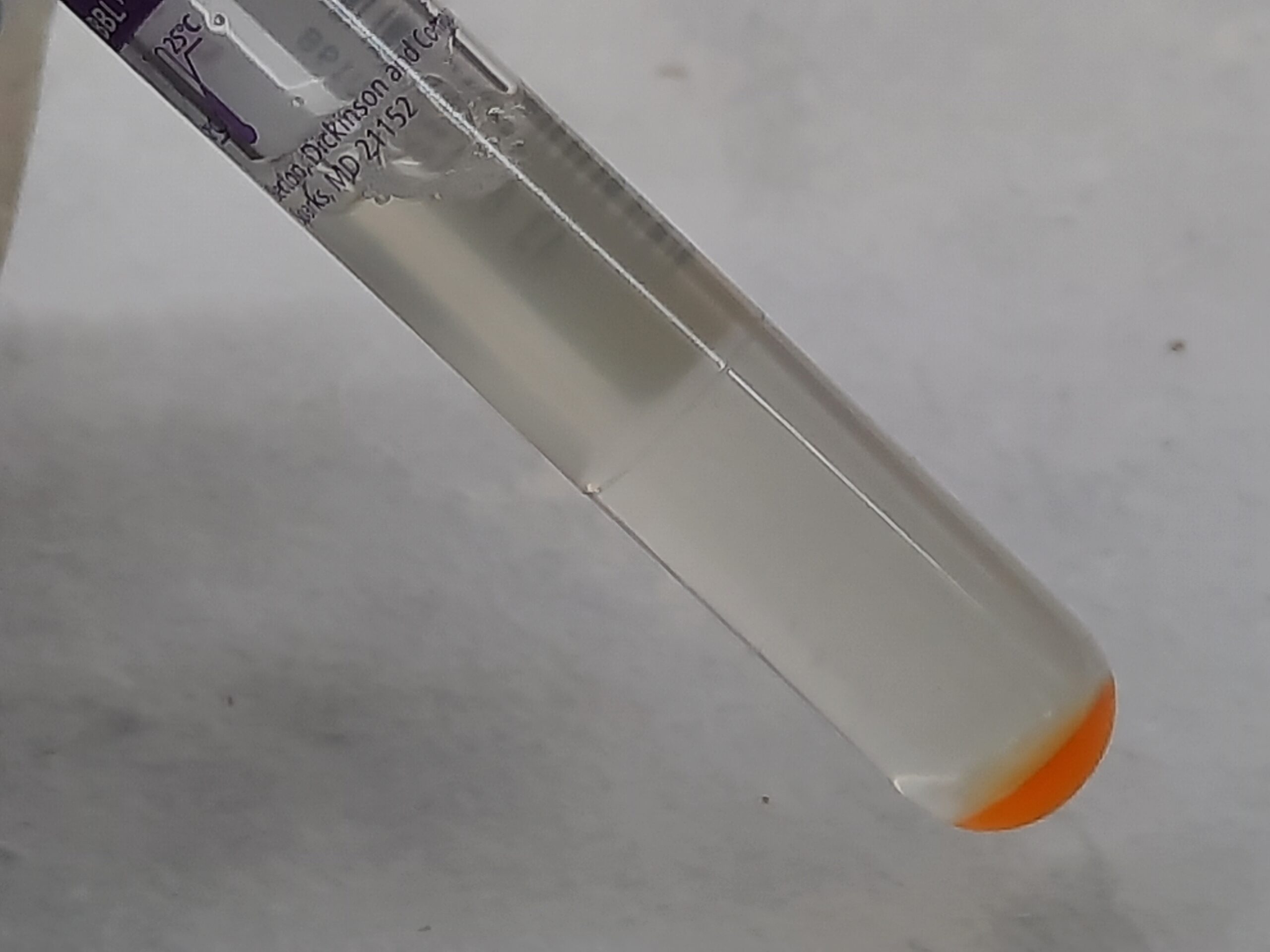
- Culture: Gold standard, using both liquid (e.g., MGIT, faster) and solid (e.g., Lowenstein-Jensen, for observing morphology but slower) media.
- Molecular Methods: Species identification is crucial. Polymerase Chain Reaction (PCR), gene probe assays (e.g., GenoType Mycobacterium), or DNA sequencing (16S rRNA, rpoB) are used to differentiate species and identify resistance genes.
- Radiography: High-resolution CT scan (HRCT) showing bronchiectasis, thin-walled cavities, or “tree-in-bud” patterns.
Treatment
- Goal: Cure is often difficult; the treatment goal is frequently symptom improvement and reduction of damage.
- Regimen: Generally, requires a combination of three or more antibiotics, often including a macrolide (azithromycin or clarithromycin), ethambutol, and a rifamycin (rifampin).
- Duration: Treatment continues for at least 12 months after culture conversion (when tests show no bacterial growth).
- Refractory Cases: Amikacin liposome inhalation suspension (ALIS) is approved for serious/refractory MAC infections.
- Mycobacterium abscessus: Highly challenging; requires a combination of macrolides, amikacin, imipenem, and surgical debridement.
Prevention
- Environmental Exposure: Avoid exposure to potting soil aerosols (wear masks), hot tubs, and stagnant water.
- Water Management: Keep showerheads and tap aerators clean; use filtered water for devices.
- Host Protection: Manage underlying chronic lung disease, limit immunosuppressive drug use if possible, and maintain good nutritional status.
Keynotes
- Misdiagnosis: NTM is often misdiagnosed as M. tuberculosis (TB) or drug-resistant TB, delaying appropriate treatment.
- Not Contagious: Unlike TB, NTM is not typically passed from person to person.
- Rising Incidence: NTM is becoming more common than TB in many developed countries.
- Antibiotic Resistance: Especially in rapid growers like Mycobacterium abscessus, which can be inherently resistant to most antibiotics.
- Treatment Difficulty: The success rate is relatively low compared to TB treatment, with high relapse rates (10–60%).
Further Readings
- https://pmc.ncbi.nlm.nih.gov/articles/PMC8625734
- https://pmc.ncbi.nlm.nih.gov/articles/PMC9534142
- https://www.jaypeedigital.com/eReader/chapter/9788184486087/ch33
- https://labtestsonline.org.uk/conditions/non-tuberculous-atypical-mycobacterium
- https://www.sciencedirect.com/science/article/abs/pii/S1567134819300024
- https://www.cdc.gov/nontuberculous-mycobacteria/hcp/clinical-overview/index.html
- https://www.medscape.org/viewarticle/568541