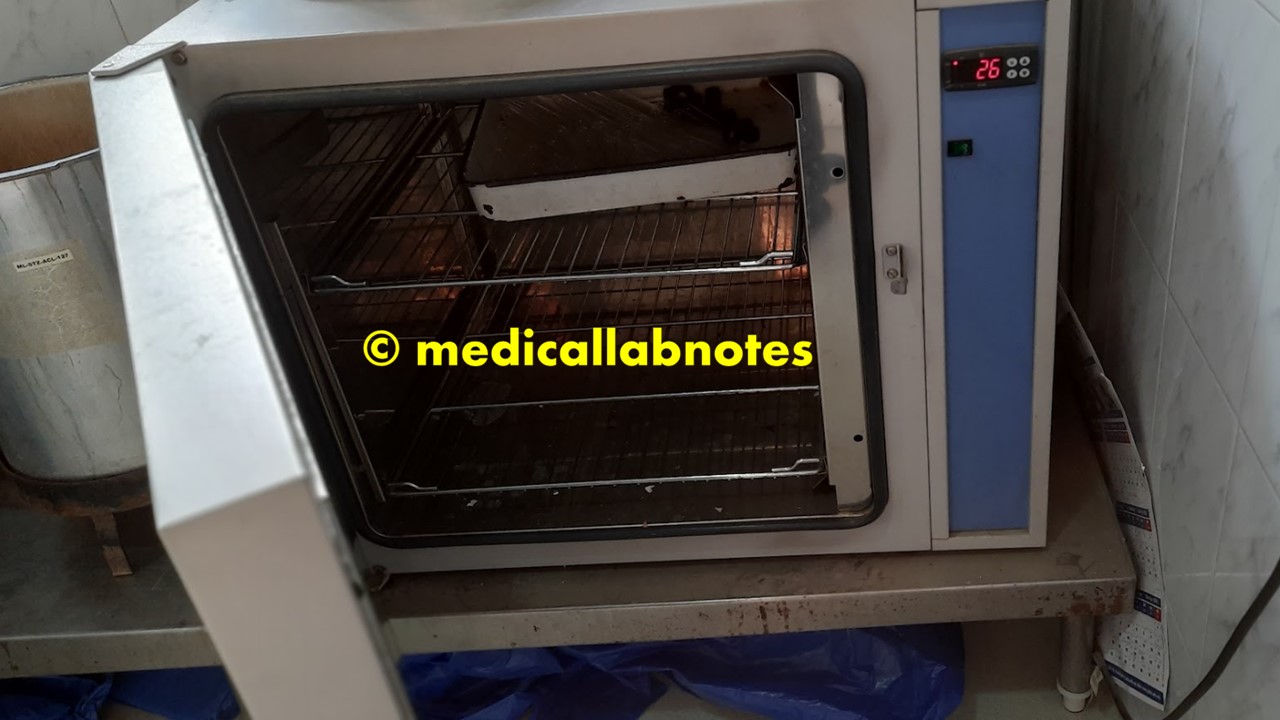
Indole test: Introduction, Principle, Test Requirements, Procedure, Result -Interpretation, and Keynotes
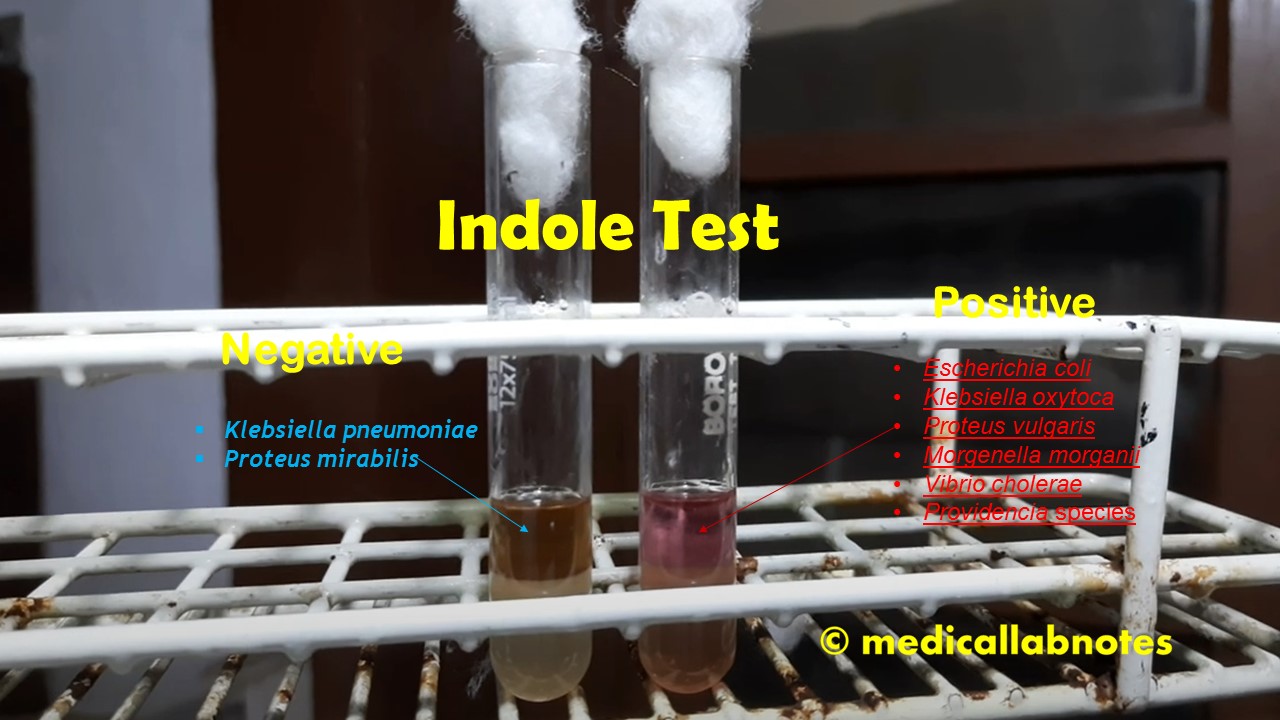
Indole test: Introduction, Principle, Test Requirements, Procedure, Result -Interpretation, and Keynotes

Indole Production test This indole test is useful to identify the bacteria on the basis of indole production. The list of indole-positive organisms is- Principle of Indole test The ability of an organism to split Indole from the amino acid tryptophan is due to the presence of …
Read more

Robertson’s Cooked Meat (RCM) Medium: Introduction, Principle, Composition, Preparation, Test Procedure, Result Interpretation, Uses and Keynotes

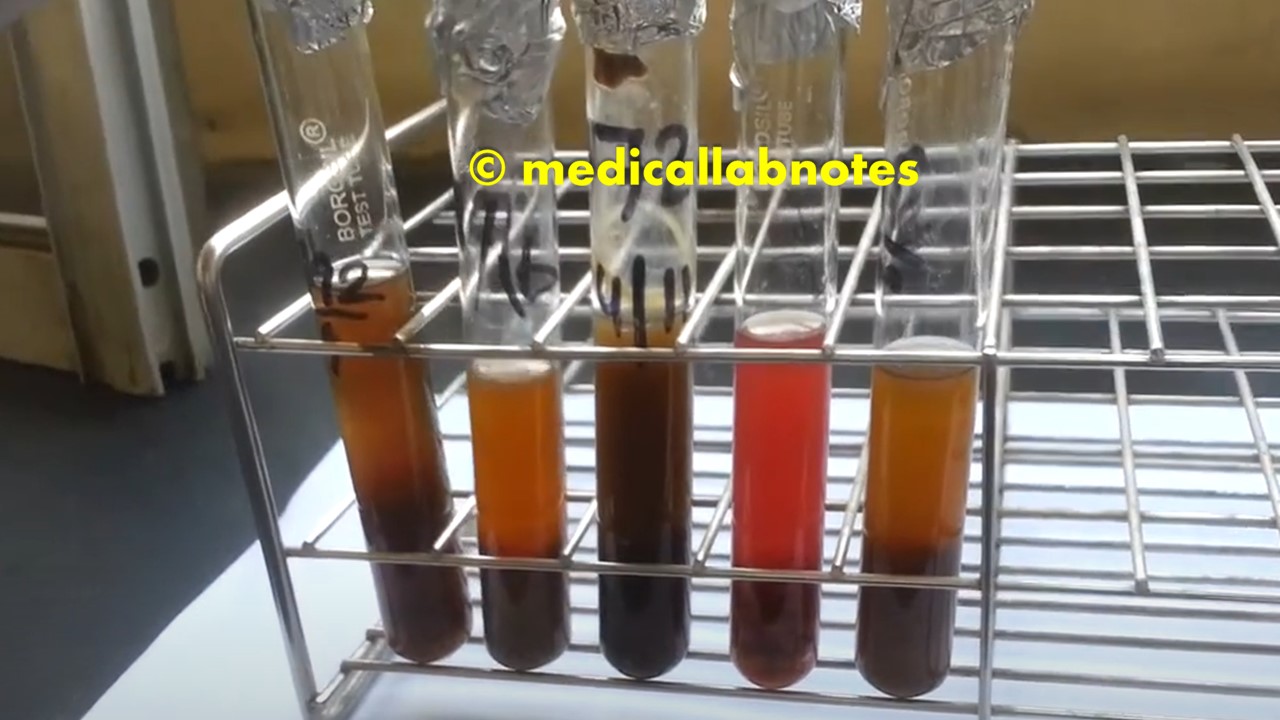
Robertson’s Cooked Meat (RCM) Medium Showing Saccharolytic anaerobes(red) and Proteolytic anaerobe (black)

Introduction of Robertson’s Cooked Meat (RCM) Medium Robertson’s Cooked Meat (RCM) Medium is the recommended medium for the cultivation of anaerobic as well as aerobic bacteria. It is especially for pathogenic Clostridium species from clinical, food, and water samples. It can also be used as a maintenance medium …

Read more

Hot air oven: Introduction, Principle, Structure, Handling Procedure, Sterilization control, Uses, Advantages, and Disadvantage

Structure of Hot Air Oven and Functions

Introduction of Hot air oven A hot air oven is the most common method of sterilization in the laboratory working on dry heat. Sterilization is the process of removing or destroying all microorganisms including viruses, bacteria, and their spores from the article or surface without …

Read more

Autoclave: Introduction, Fundamental Structures, Principle, Types, Sterilization Control, Working Mechanisms, Uses, and Precautions

Autoclave: Introduction, Fundamental structures, Principle, Types, Sterilization Control, Working Mechanisms, Uses, and Precautions

Introduction of Autoclave An autoclave is the most common method of sterilization in the laboratory working on moist heat. Sterilization is the process of removing or destroying all microorganisms including viruses, bacteria, and their spores from the article or surface without destroying its quality and …

Read more

Incubator: Introduction, Principle, Handling Procedure, Types, Uses, and Keynotes

Blood agar and chocolate agar incubated CO2 Incubator

Introduction of Incubator The incubator is an electrical device in which the incubation process is performed which conditions an enclosure to a predetermined temperature since it provides and maintains all artificial optimal conditions for the growth of microbial culture as well as cell and tissue …

Read more

Brain heart infusion (BHI) Broth: Introduction, Composition, Principle, Preparation, Test Procedure, Result-Interpretation, Modifications, Uses, and Keynotes

Blood inoculated BHI broth after 4 days of incubation showing bacterial growth

Introduction of BHI Broth Brain Heart Infusion (BHI) broth is a highly nutritive medium and is thus useful for cultivating a wide variety of microorganisms like aerobic and anaerobic bacteria, yeasts, and molds.  BHI broth is commonly used in blood culture work and allied pathological …

Read more

ASO (Anti-streptococcal O)Test: Introduction, Principle, Procedure, Normal Range, Result- Interpretation, and Keynotes

ASO Test Result

Introduction of ASO Test ASO stands for Antistreptococcal O and it is an antibody targeted against streptolysin O, a toxic enzyme produced by group A Streptococcus bacterium. Antistreptococcal O and anti -DNase are the most common of several antibodies that are produced by the body’s immune system in response to a strep infection …

Read more

Enzyme-Linked Immunosorbent Assay (ELISA): Introduction, Principle, Types, Procedure, Result-Interpretation, Advantage, Disadvantage, and Interfering Factors of ELISA Test Results

Enzyme-Linked Immunosorbent Assay(ELISA) Introduction, Principle, Types, Procedure, Result-Interpretation, Advantage, Disadvantage, and Interfering Factors of ELISA Test Results

Introduction of ELISA ELISA stands for Enzyme-Linked Immunosorbent Assay. It comes under antigen and antibody reaction tests and is useful for the identification of antigens or antibodies of the following specimens serum, urine, CSF, sputum, semen, supernatant of culture, stool, etc. It is also applicable …

Read more