Gram-Positive Bacteria Identification: Introduction, List of Common Bacteria, and Identification Keys

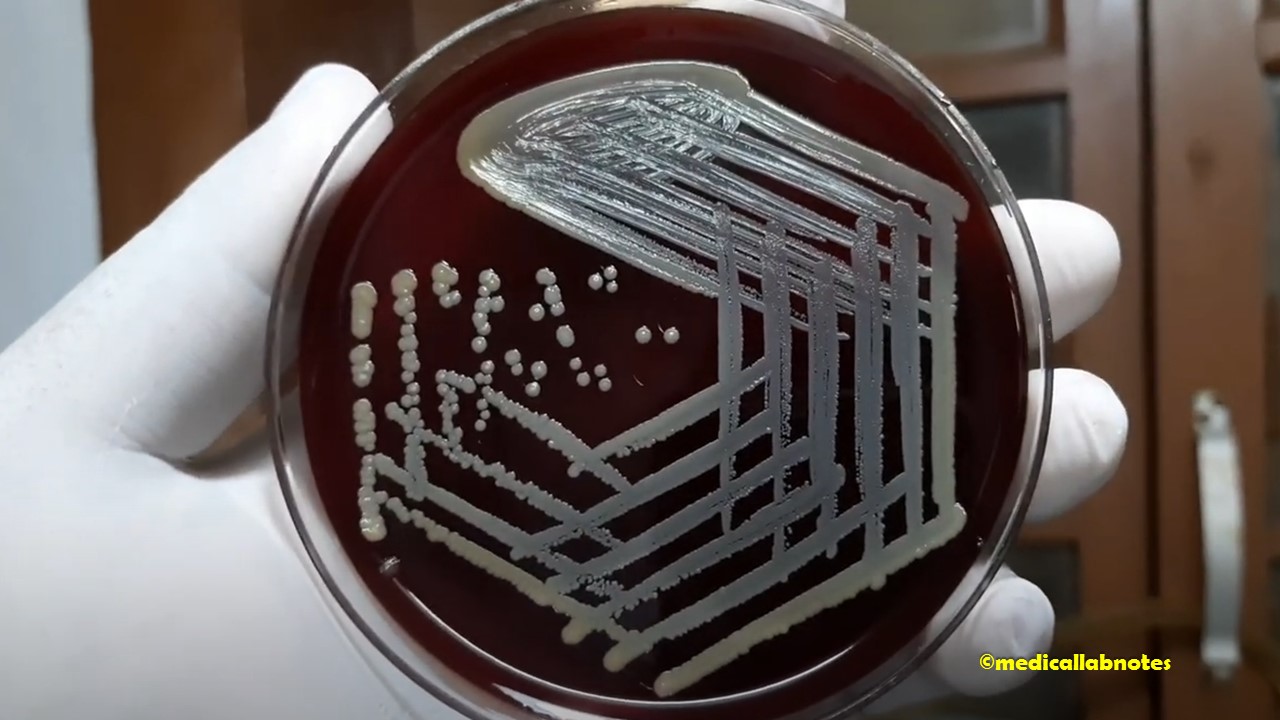
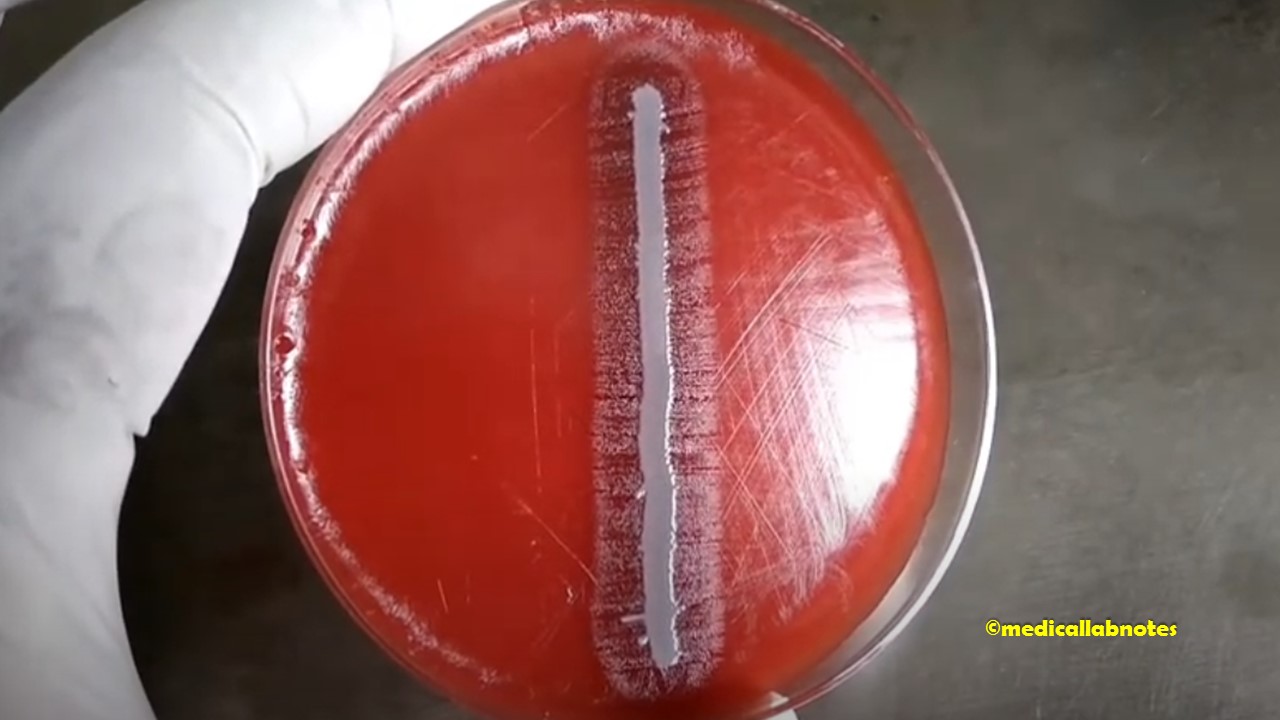
Staphylococcus aureus colony characteristics on Blood Agar-Golden yellow colony

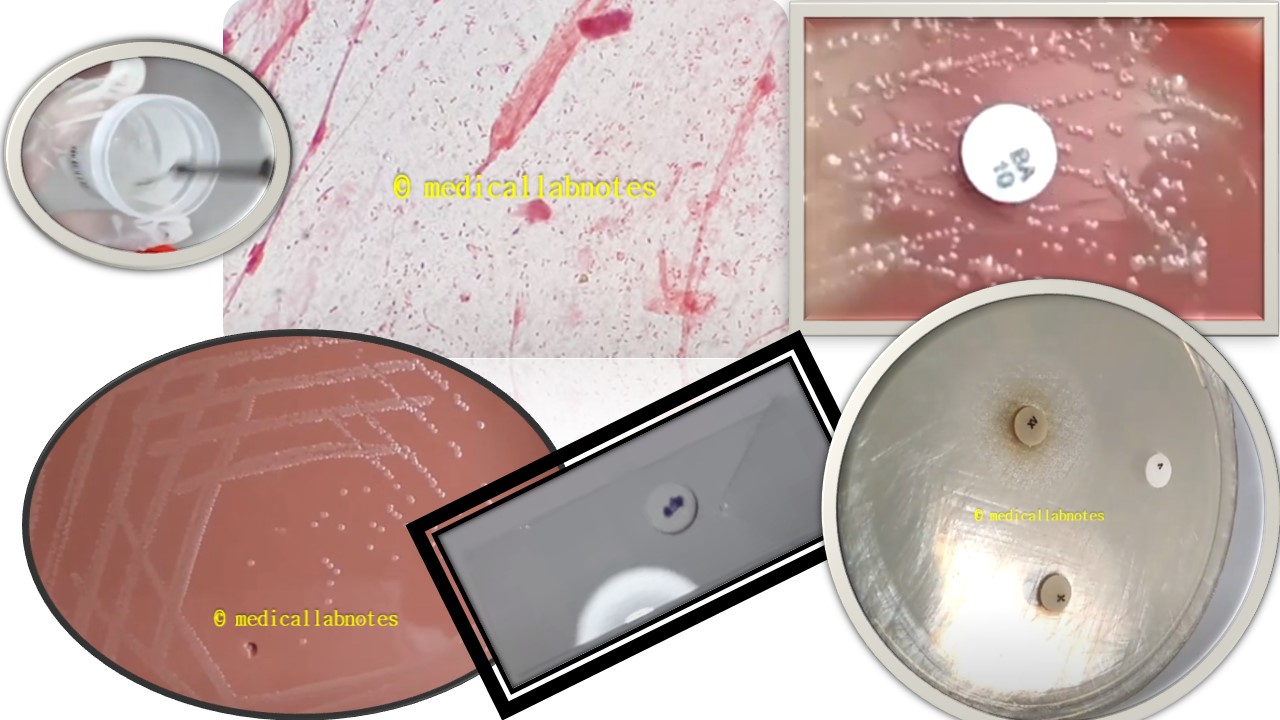
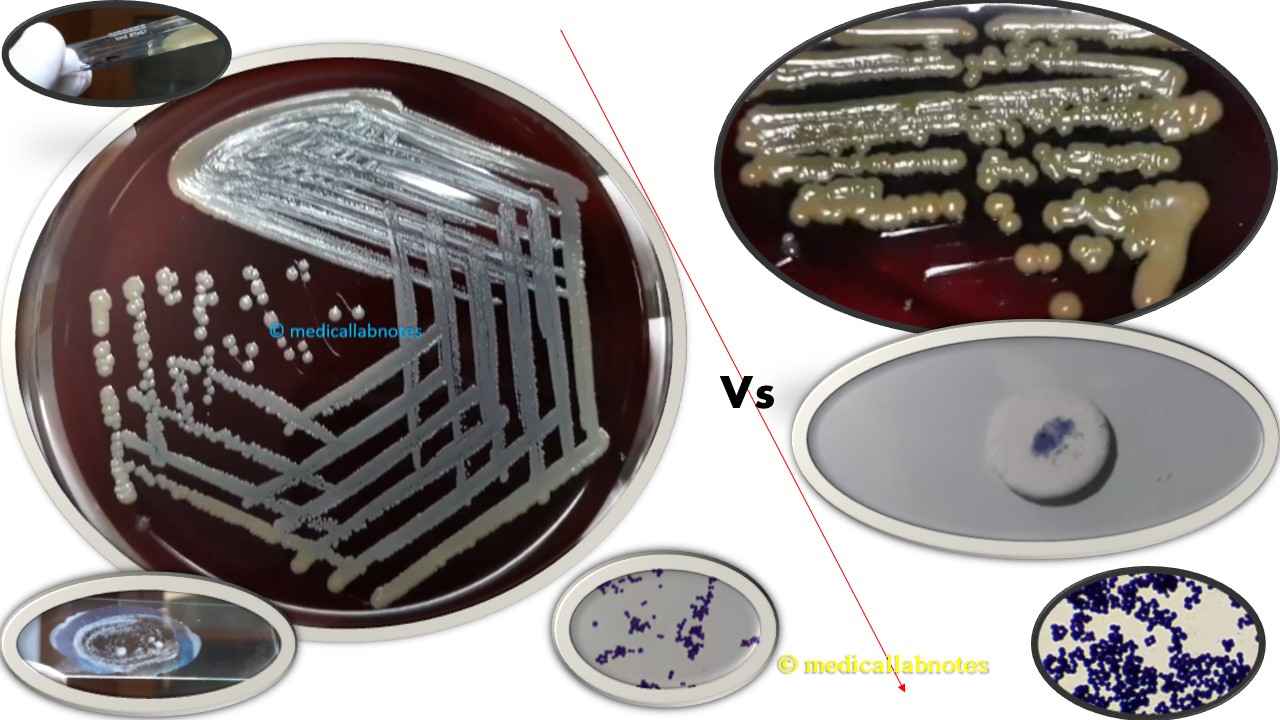
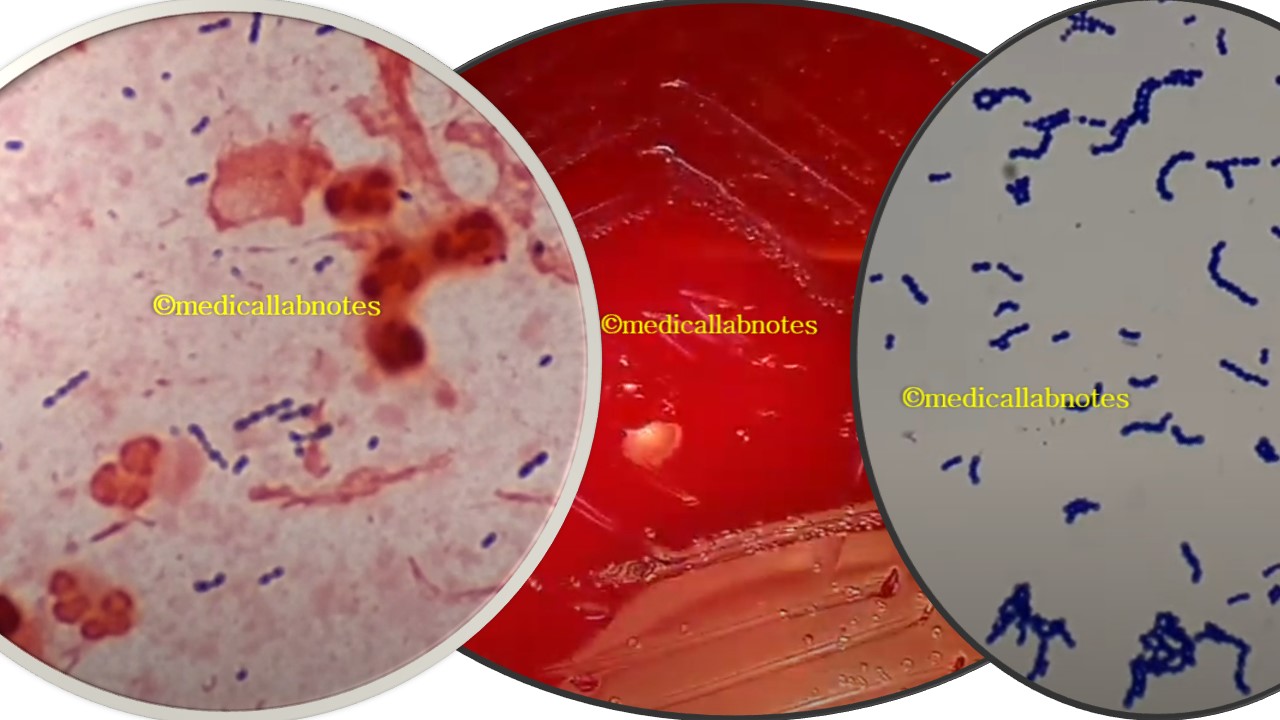
Introduction of Gram-Positive Bacteria Identification Identification of Gram-positive bacteria is a little bit harder than Gram-negative bacteria since the most common bacterial etiological agents are Gram-negative bacteria and the vendors or suppliers are directly involved in supplying common tests reagents and test kit accessories. Due …

Read more

Triple Sugar Iron (TSI) Agar Test: Introduction, Composition, Principle, Test Requirements, Procedure, Result- Interpretation, Keynotes, and TSI Test Footages

Triple Sugar Iron (TSI) Agar Test: Introduction, Composition, Principle, Test Requirements, Procedure, Result- Interpretation, Keynotes, and TSI Test Footages

Triple Sugar Iron Agar Test The triple Sugar Iron (TSI) Agar test is a combo test and is useful for the identification of mainly gram-negative bacteria, on the basis of the following tests- Composition of Triple Sugar Iron Agar Triple Sugar Iron Agar (TSI) (Oxoid, England) …

Read more

Satellitism Test for the Identification of Haemophilus influenzae: Introduction, Principle, Test Requirements, Procedure, Result -Interpretation, and Keynotes

Satellitism Test for the Identification of Haemophilus influenzae- Introduction, Principle, Test Requirements, Procedure, Result -Interpretation and Keynotes

Introduction Satellitism test or satellite test is applied to identify Haemophilus influenzae. It is a fastidious bacterium and thus it needs extra ingredients like hemin (factor X) and  NAD (factor V) to grow. It uses the X factor to produce essential respiratory enzymes such as cytochromes, catalases, …

Read more

SIM Test: Introduction, Principle, Test Requirements, Procedure, Result Interpretation, and Limitations

SIM Test: Introduction, Principle, Test Requirements, Procedure, Result Interpretation, and Limitations

Introduction SIM stands for sulfide, Indole, and Motility and SIM medium is applied for the differentiation of gram-negative enteric bacilli. SIM test assists to isolate the bacteria on the basis of sulfide production, indole formation, and motility and thus SIM test is a combination of three …

Read more

Urease Test: Introduction, Principle, Procedure, Result-Interpretation, Urease Positive Organisms List, Limitations, and Keynotes

Urease Test- Introduction, Principle, Procedure, Result-Interpretation, Urease Positive Organisms List, Limitations and Keynotes

Introduction The urease test is also known as the urea hydrolyzation test or urea test and it is important for certain bacteria and fungi that possess this enzyme which hydrolyzes urea releasing ammonia into the medium. This produces a change in the pH of the …

Read more

Coagulase Test: Introduction, Principle, Types, Test Requirements, Procedure, Result Interpretation, List of Coagulase Positive and Negative Bacteria, Limitations, and Keynotes

Coagulase Test: Introduction, Principle, Types, Test Requirements, Procedure, Result Interpretation, List of Coagulase Positive and Negative Bacteria, Limitations and Keynotes

Introduction of Coagulase Test The coagulase test is an enzymatic assay that is applied to differentiate Staphylococcus aureus (positive) from coagulase-negative staphylococci (CoNS). Coagulase is an enzyme formed by S. aureus which changes soluble fibrinogen of plasma to insoluble fibrin. S. aureus produces two forms of coagulase. One is bound coagulase …

Read more

Citrate Utilization Test: Introduction Principle, Procedure, Result and Interpretation, Citrate Utilization Test Positive and Negative Bacteria List and keynotes

Citrate Utilization Test: Introduction Principle, Procedure, Result and Interpretation, Citrate Utilization Test Positive and Negative Bacteria List and keynotes

Introduction A citrate utilization test is the most commonly used routine biochemical test for Gram-negative rods in bacteriology for the identification of bacteria on the basis of citrate utilization. Klebsiella pneumoniae is the citrate utilization-positive organism while Escherichia coli is negative. Principle of Citrate Utilization Test …

Read more

Catalase Test: Introduction, Principle, Procedure, Result Interpretation, and Precautions

Catalase Test- Introduction, Principle, Procedure, Result Interpretation and Precautions

Introduction of Catalase Test The catalase test is the most common in bacteriology and is commonly used to differentiate those bacteria that produce this enzyme, such as staphylococci, from non-catalase producing bacteria such as streptococci. It is two types depending on the testing methods and they …

Read more