Ureaplasma: Introduction, Morphology, Pathogenicity, Lab Diagnosis, Treatment, Prevention, and Keynotes

Introduction Ureaplasma is a genus of bacteria that belong to the class Mollicutes. These bacteria are characterized by their small size, lack of a cell wall, and a simple structure. Ureaplasma species (they) are known to colonize the human urogenital tract and are associated with …

Read more

Legionella pneumophila: Introduction, Morphology, Pathogenicity, Lab Diagnosis, Treatment, Prevention, and Keynotes

Introduction Legionella pneumophila is a gram-negative, aerobic bacterium responsible for causing Legionnaires’ disease, a severe form of pneumonia, and Pontiac fever, a milder flu-like illness. It was first identified in 1976 when an outbreak of pneumonia affected attendees of an American Legion convention in Philadelphia, …

Read more

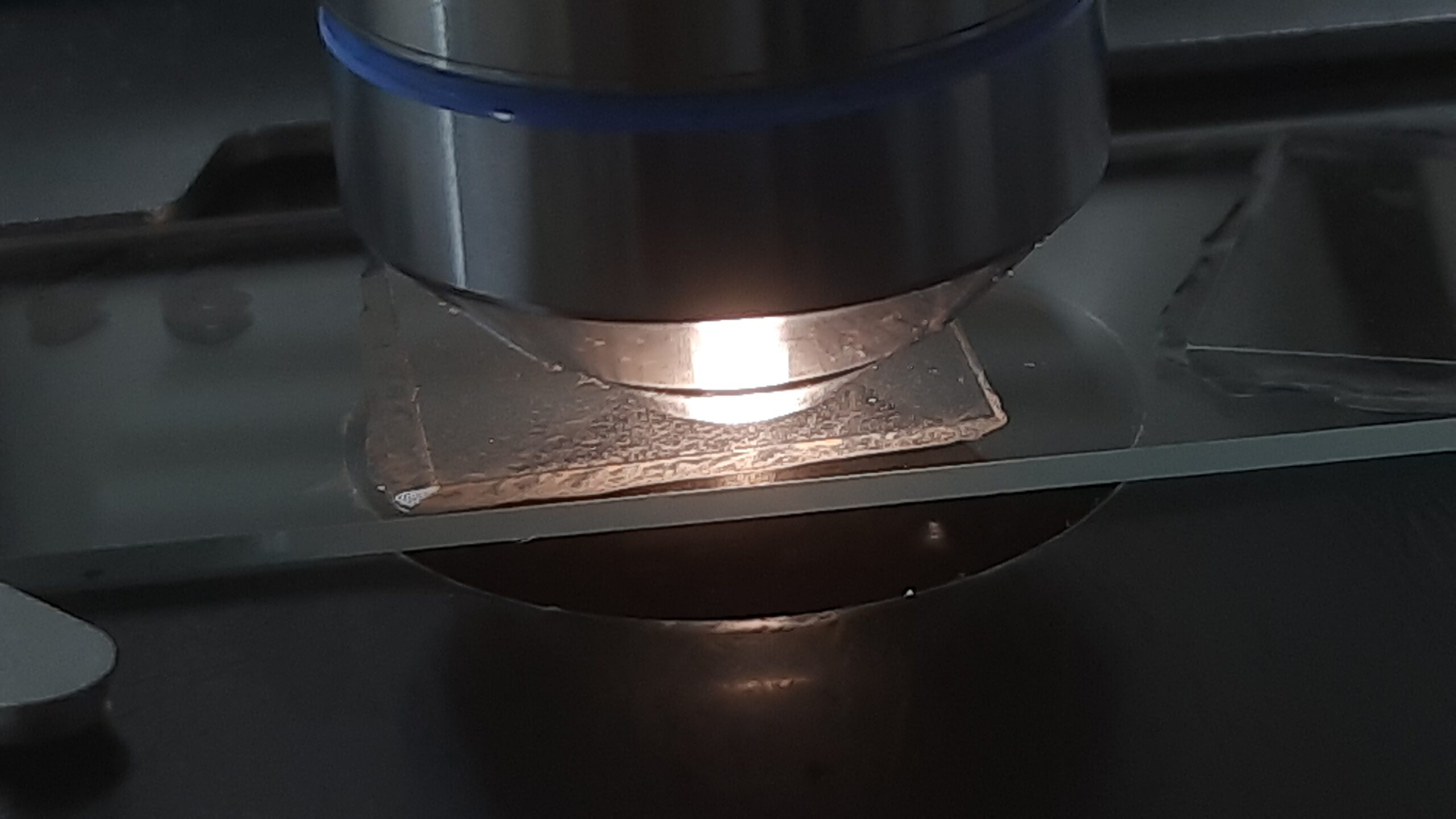
Inverted Microscope: Introduction, Principle, Parts, Uses, Care and Maintenance, and Keynotes

Inverted Microscope: Introduction, Principle, Parts, Uses, Care and Maintenance, and Keynotes

Introduction An inverted microscope is a specialized optical instrument that revolutionizes the way we observe and study biological specimens, live cells, and other materials in a liquid medium. Unlike conventional microscopes, where the objective lens is above the specimen, the inverted microscope ingeniously flips this …

Read more

Mycoplasma pneumoniae: Introduction, Morphology, Pathogenicity, Lab Diagnosis, Treatment, Prevention, and Keynotes

Introduction Mycoplasma pneumoniae is a unique type of bacteria that belongs to the class Mollicutes. What sets it apart from other bacteria is its lack of a cell wall, which is a characteristic feature of most bacterial species. This absence of a cell wall makes …

Read more

Fluorescence Microscope: Introduction, Principle, Parts, Uses, Care and Maintenance, and Keynotes

Fluorescence Microscope: Introduction, Principle, Parts, Uses, Care and Maintenance, and Keynotes

Introduction A Fluorescence Microscope is a powerful optical instrument used to observe and study specimens that emit fluorescence when exposed to specific wavelengths of light. This technique exploits the unique properties of fluorescence, where certain molecules or structures absorb light at one wavelength and emit …

Read more

Phase Contrast Microscope: Introduction, Principle, Parts, Uses, Care and Maintenance, and Keynotes

Phase Contrast Microscope: Introduction, Principle, Parts, Uses, Care and Maintenance, and Keynotes

Introduction A Phase Contrast Microscope is an optical instrument designed to enhance the visibility of transparent and unstained samples, such as living cells, by converting phase differences in light waves into brightness variations in the image. This technique was invented by Dutch physicist Frits Zernike …

Read more

E. aerogenes: Introduction, Morphology, Pathogenicity, Lab Diagnosis, Treatment, Prevention, and Keynotes

Enterobacter aerogenes colony morphology on CLED agar of urine culture

Introduction Enterobacter aerogenes is a bacterium belonging to the Enterobacteriaceae family, which includes several other important pathogens and opportunistic bacteria. E. aerogenes is a Gram-negative, rod-shaped bacterium that is commonly found in various environments, including soil, water, and the gastrointestinal tracts of humans and animals. …

Read more

MALDI-TOF Mass Spectrometry: Introduction, Principle, Handling Procedure, Application, and Keynotes

Introduction Matrix-Assisted Laser Desorption/Ionization Time-of-Flight Mass Spectrometry, commonly abbreviated as MALDI-TOF MS, is a powerful analytical technique used in the field of mass spectrometry. It is widely employed for the identification and characterization of a diverse range of molecules, including proteins, peptides, nucleic acids, carbohydrates, …

Read more