API Test for Bacteria: Introduction, Principle, Test Requirements, Test Procedure, Result- Interpretation, Advantages, and Keynotes

API Test - Bacteria, Strip, Reagents, Reading Sheet and Log Book

Introduction of API Test for Bacteria API test for bacteria as shown above picture is a 20-jumbo tests kit for a biochemical panel for the identification and differentiation of members of the family Enterobacteriaceae.  API stands for Analytical Profile Index. It is an API 20E Test kit …
Read more

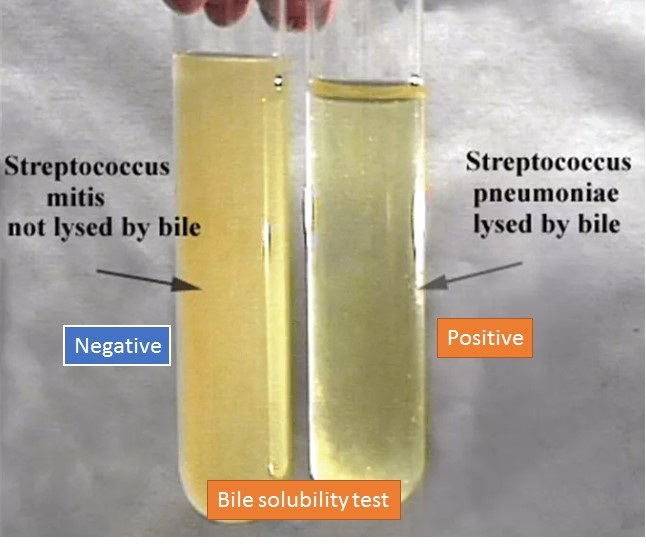
Bile Solubility Test: Introduction, Principle, Test Requirements, Procedure, Result-Interpretation, and Keynotes

Bile Solubility Test- Positive and Negative

Introduction of Bile Solubility Test Bile solubility test uses for presumptive identification of Streptococcus pneumoniae. Principle of Bile Solubility Test Bile salts, specifically sodium deoxycholate and sodium taurocholate, have the capacity to selectively lyse Streptococcus pneumoniae when added to actively growing bacteria in agar or broth media. S. pneumoniae produces autolytic …

Read more

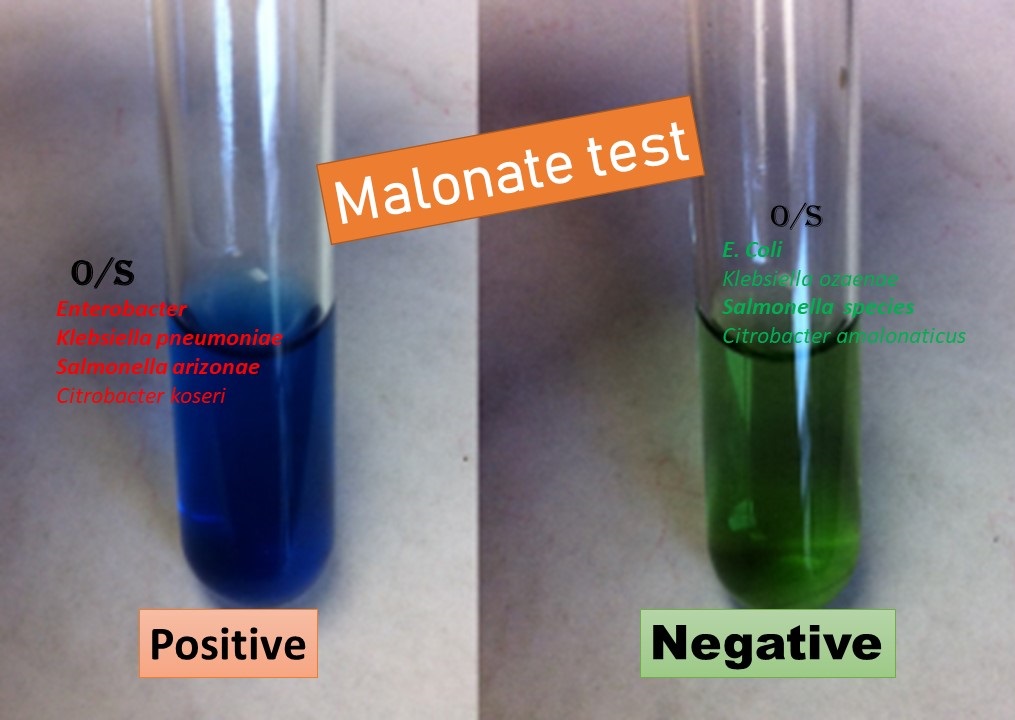
Malonate Test: Introduction, Composition of Medium, Principle, Procedure, Uses, Result-Interpretation, and Limitations

Malonate Test Positive and Negative bacteria

Introduction of Malonate Test Malonate test uses to check the ability of the organism to utilize malonate as the sole source of carbon for energy. To differentiate bacteria on the basis of a malonate utilization test. It is a colorful test to check the ability of …

Read more

Optochin Susceptibility Test: Introduction, Principle, Test Requirements, Procedure, Result-Interpretation, and Keynotes

Optochin Susceptibility Test-Positive

Optochin Susceptibility Test Optochin Susceptibility Test uses for presumptive identification of Streptococcus pneumoniae from viridans streptococci.  Principle of Optochin Susceptibility Test Ethylhydrocupreine hydrochloride (Optochin), a quinine derivative, selectively inhibits the growth of S. pneumoniae at a very low concentration (5ug/ml). Optochin may also inhibit other viridians streptococci, but only …

Read more

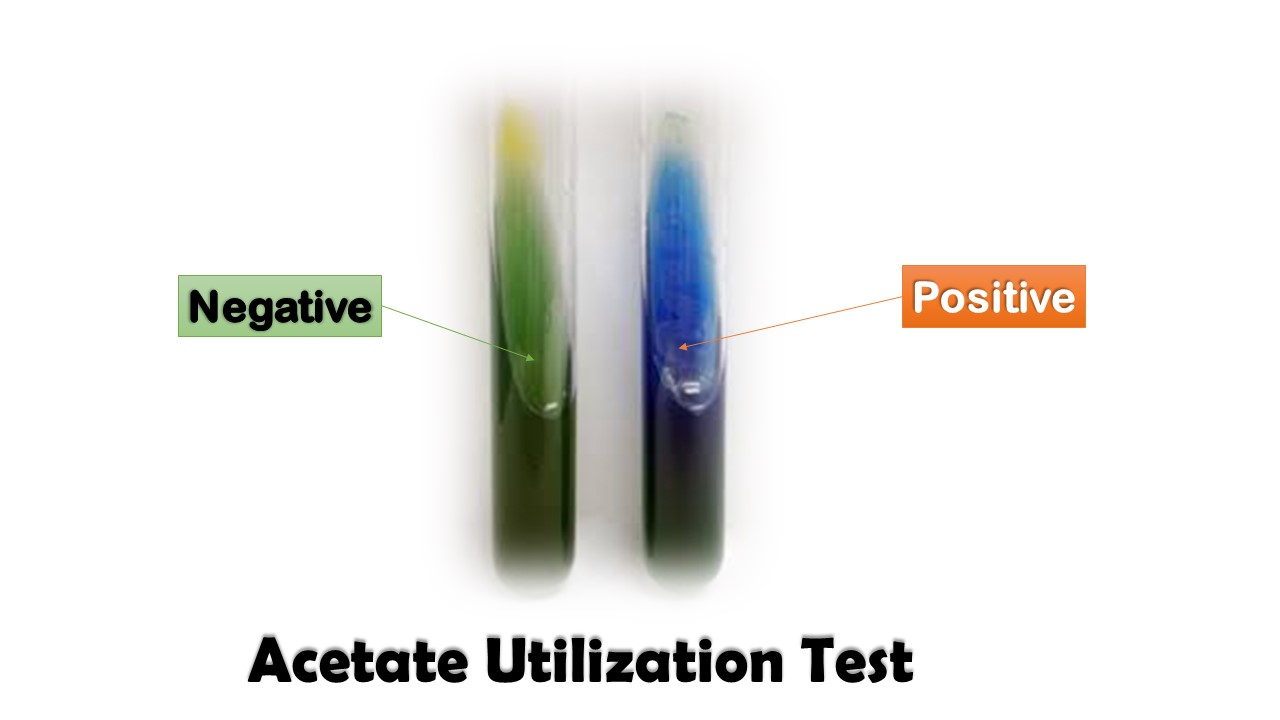
Acetate Utilization Test: Introduction, Composition, Principle, Test Requirements, Test Procedure, Result and Interpretation, and Keynotes

Acetate Utilization Test-Negative (left) and Positive (right side)

Introduction of Acetate Utilization Test Acetate Utilization Test ueses to determine the ability of an organism to use acetate as the sole source of carbon same as in the citrate utilization test for Enterobacteriaceae. It is the recommended assay for the differentiation of Shigella species from Escherichia coli. Composition of …

Read more

Oxidation-Fermentation (OF) Test: Introduction, Composition of the medium, Test Requirements, Principle, Procedure, Result -Interpretation, and Limitations

Fermentation Test Positive and Negative Results of Bacteria

Oxidation-Fermentation (OF) Test Introduction Hugh and Leifson developed an Oxidation-Fermentation (OF) basal medium in 1953. It is a recommended medium for the detection of oxidation or fermentation of carbohydrates by bacteria. This basal medium is useful to aid in the identification of gram-negative bacteria on …

Read more

Nitrate or Nitrite Reduction Test: Introduction, Composition of Medium, Principle, Test Requirements, Procedure, Result -Interpretation, and Limitations

Nitrate or Nitrite Reduction Test

Introduction of Nitrate or Nitrite Reduction Test The nitrate or nitrite reduction test uses to determine the ability of an organism to reduce nitrate to nitrite. Anaerobic metabolism requires an electron acceptor other than atmospheric oxygen. Many gram-negative bacteria use nitrate as the final electron acceptor. The …

Read more

DNase Test: Introduction, Composition, Principle, Test Requirements, Procedure, Result -Interpretations, and Limitations

Deoxyribonuclease (DNase) Test Positive and Negative Bacteria

Introduction of DNase Test for Bacteria DNase tests positive and negative bacteria as shown below image. This test is useful for the presumptive identification of Staphylococcus aureus which produces the enzyme deoxyribonuclease (DNase) from other Staphylococci which do not produce DNase. This test is also positive in the following …

Read more