Bacterial Endotoxin Detection by Chromogenic Method: Introduction, Principle, Product Characteristics, and Keynotes

Bacterial Endotoxin Detection by Chromogenic Method: Introduction, Principle, Product Characteristics, and Keynotes

Introduction of Bacterial Endotoxin Detection by Chromogenic Method Bacterial Endotoxin Detection by Chromogenic Method uses for screening and diagnosis of Gram-negative bacterial infection with a low limit of detection is 1 pg/ml (0.005EU/ml). It also applies to the quantitative detection of endotoxin in pharmaceutical and …

Read more

Full-Automatic Chemiluminescence Immunoassay System (FACIS): Introduction, Instrument Features, Testing Parameters, and Keynotes

FACIS-1

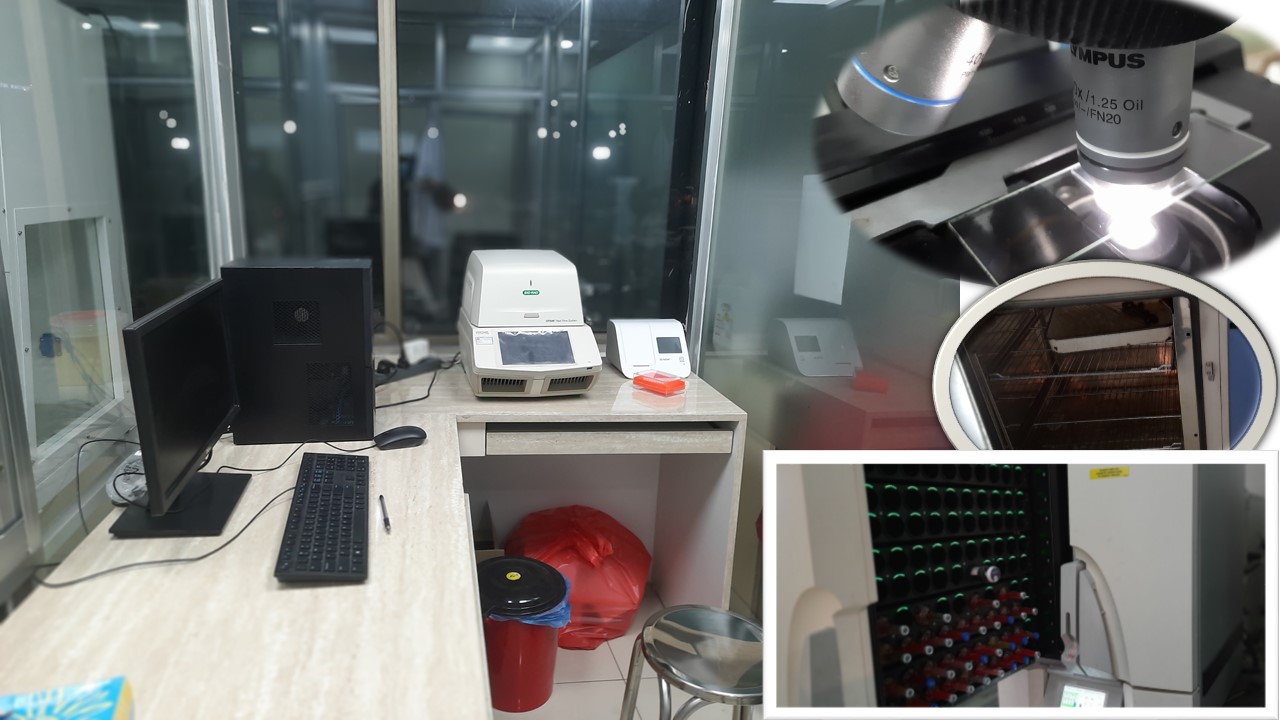
Introduction of Automation System for Invasive Fungal Diagnostics/FACIS Full-Automatic Chemiluminescence Immunoassay System (FACIS) is an open system to detect the content of endotoxin, (1-3)-β-D-glucan and galactomannan in bronchoalveolar lavage (BAL) fluid or serum clinical samples. With both a photometry system and chemiluminescence system built in, …

Read more

Nosocomial Infections and Their Common Causative Agents: Introduction, Types, List of Microbial Agents, and Keynotes

Acinetobacter baumannii Complex-the most common bacterial etiological agent of Nosocomial Infections

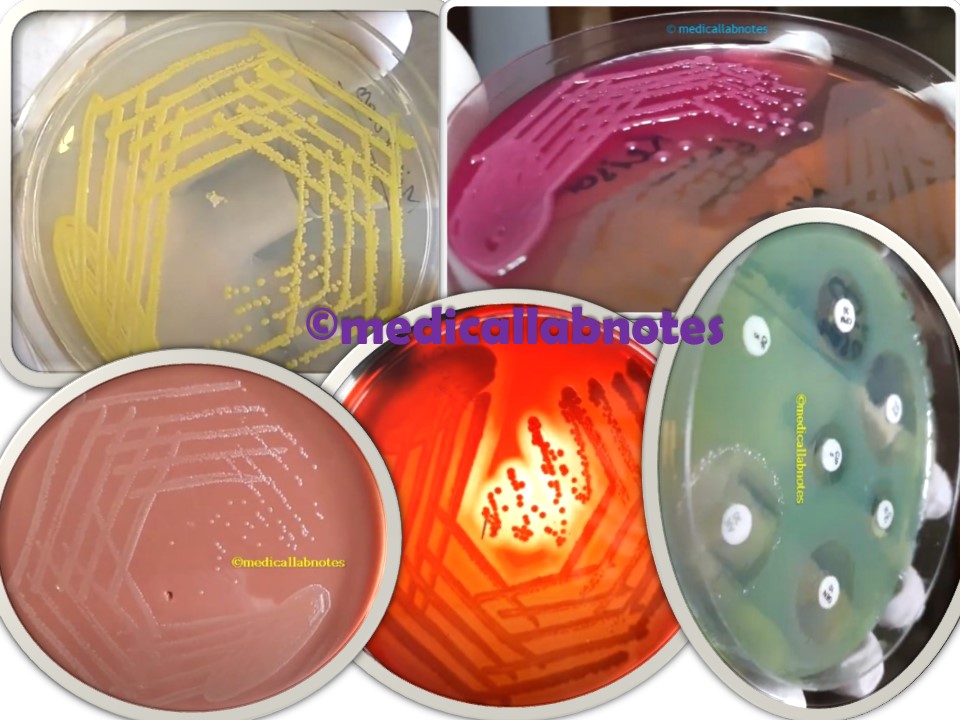
Introduction of Nosocomial Infections Nosocomial infections are also called hospital-acquired infections (HAI) that occur during hospital stay and microbes are the causative agent of such infections. Common Nosocomial Infections The most commonly occurring nosocomial infections are as follows- Microbial Etiological Agents of Common Nosocomial Infections …

Read more

Dengue Rapid Test for IgG and IgM Detection: Introduction, Principle, Test Requirements, Procedure, Result Interpretation, and Limitations

Dengue Rapid Test for IgG and IgM Detection: Introduction, Principle, Test Requirements, Procedure, Result Interpretation and Limitations

Introduction of Dengue IgG and IgM Rapid Test Dengue rapid test (RDT) uses for the detection of immunoglobulin G(IgG) and immunoglobulin M (IgM) where IgM is responsible for the past while IgG is for present infection as shown above picture. Dengue is a mosquito-borne viral …

Read more

Indole test: Introduction, Principle, Test Requirements, Procedure, Result -Interpretation, and Keynotes

Indole test: Introduction, Principle, Test Requirements, Procedure, Result -Interpretation, and Keynotes

Indole Production test This indole test is useful to identify the bacteria on the basis of indole production. The list of indole-positive organisms is- Principle of Indole test The ability of an organism to split Indole from the amino acid tryptophan is due to the presence of …

Read more

Robertson’s Cooked Meat (RCM) Medium: Introduction, Principle, Composition, Preparation, Test Procedure, Result Interpretation, Uses and Keynotes

Robertson’s Cooked Meat (RCM) Medium Showing Saccharolytic anaerobes(red) and Proteolytic anaerobe (black)

Introduction of Robertson’s Cooked Meat (RCM) Medium Robertson’s Cooked Meat (RCM) Medium is the recommended medium for the cultivation of anaerobic as well as aerobic bacteria. It is especially for pathogenic Clostridium species from clinical, food, and water samples. It can also be used as a maintenance medium …

Read more

Urine Casts: Introduction, Identification Features, and Clinical Significance

Granular Cast in Urine Microscopy

Introductions of Common Urinary Casts Urine casts in urine routine examinations are completed in the following steps- First request the patient to bring a urine specimen. After the arrival of the specimen in the clinical laboratory, take nearly 5 ml of urine and centrifuge it. …

Read more

Urine Crystals: Introduction, Identification Features, and Clinical Significance

Urate Crystals or Uric acid Crystals in Urine Microscopy

Introductions of Common Urinary Crystals Urinary crystals in urine during the routine examination can appear in the following steps- First request the patient to bring a urine sample. After the arrival of the sample/specimen in the clinical laboratory, take nearly 5 ml of urine. Centrifuge it …

Read more