Streptococcus pneumoniae: Introduction, Morphology, Pathogenicity, Lab Diagnosis, Treatment, Prevention, and Keynotes

Optochin sensitive Streptococcus pneumoniae

Introduction Streptococcus pneumoniae, commonly known as pneumococcus, is a bacterium that can cause a wide range of infections in humans. It is one of the most significant pathogens responsible for various diseases, particularly pneumonia, meningitis, and otitis media (middle ear infections). Characteristics: Transmission: Diseases caused …
Read more

Bile Solubility Test: Introduction, Principle, Test Requirements, Procedure, Result-Interpretation, and Keynotes

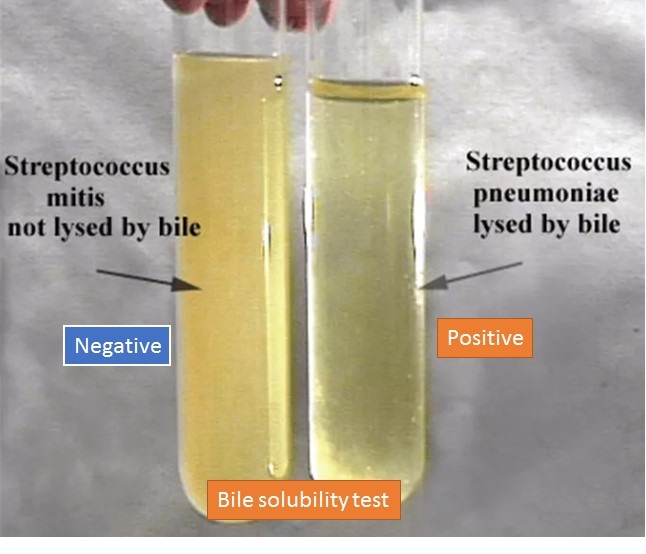
Bile Solubility Test- Positive and Negative

Introduction of Bile Solubility Test Bile solubility test uses for presumptive identification of Streptococcus pneumoniae. Principle of Bile Solubility Test Bile salts, specifically sodium deoxycholate and sodium taurocholate, have the capacity to selectively lyse Streptococcus pneumoniae when added to actively growing bacteria in agar or broth media. S. pneumoniae produces autolytic …

Read more

Optochin Susceptibility Test: Introduction, Principle, Test Requirements, Procedure, Result-Interpretation, and Keynotes

Optochin Susceptibility Test-Positive

Optochin Susceptibility Test Optochin Susceptibility Test uses for presumptive identification of Streptococcus pneumoniae from viridans streptococci.  Principle of Optochin Susceptibility Test Ethylhydrocupreine hydrochloride (Optochin), a quinine derivative, selectively inhibits the growth of S. pneumoniae at a very low concentration (5ug/ml). Optochin may also inhibit other viridians streptococci, but only …

Read more

Culture Media: Introduction, Common Ingredients, Types, Preparation, and Use of Common Culture Medium, Keynotes, and Related Images

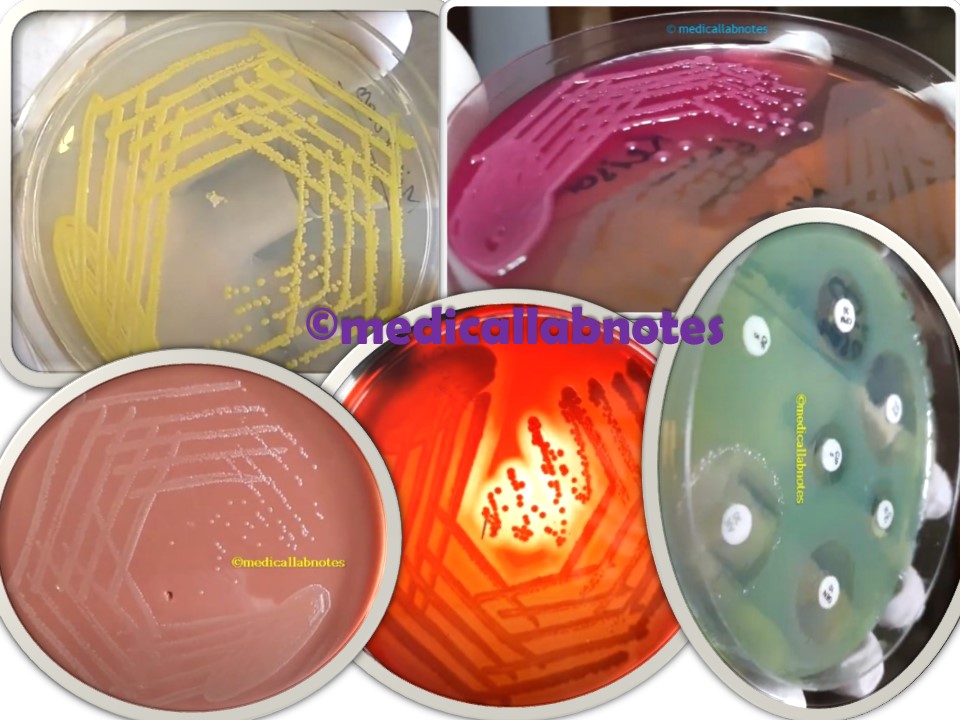
Culture media with variety of microbes-Micrococcus growth on nutrient agar (upper left), Lactose fermenting(Lf) and non-lactose fermenting (NLF) colonies of Gram negative bacteria colonies on MacConkey medium, Hameophilus influenzae colony morphology on chocolate agar(lower left), beta-hemolytic colonies of Staphylococcus aureus( middle), and Pseudomonas aeruginosa antibiogram pattern on Muller-Hinton agar(MHA)

Introduction of Culture Media Culture media are required to grow the organisms and they are generally from clinical specimens to identify the causative agent. Common Ingredients of Culture Media Common Ingredients of Culture Media and their basic constituents are as follows- Water: It is the …

Read more

Gram Stain: Introduction, Principle, Test Requirements, Procedure, Result and Interpretation, Keynotes and Collection of Some Gram Stained Footages

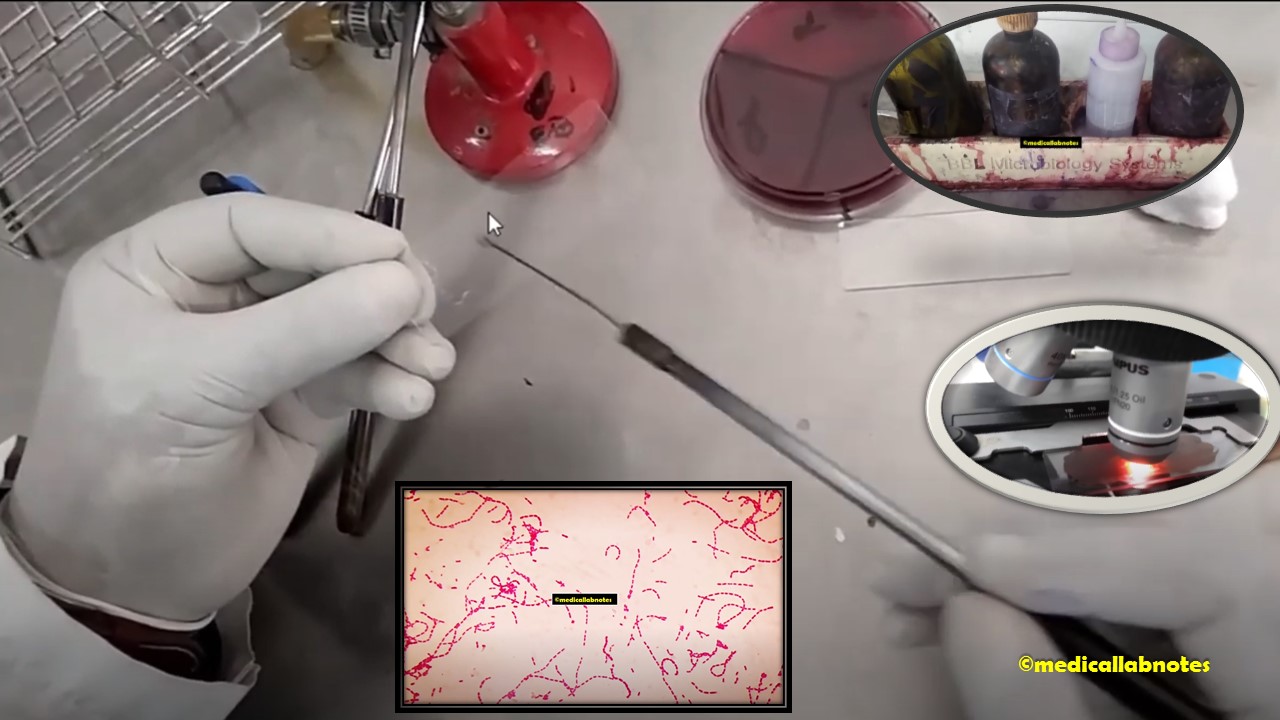
Gram Stain: Introduction, Principle, Test Requirements, Procedure, Result and Interpretation, Keynotes and Collection of Some Gram Stained Footages

Introduction of Gram Stain Gram stain is the most commonly used routine stain in microbiology for the identification of microbes and also to know the evidence of etiological agents in clinical specimens. Gram staining is a differential stain and thus it applies to differentiate Gram-positive …

Read more