Rapid Diagnostic Test for Visceral Leishmaniasis (Kala-azar): Introduction, Principle, Procedure, Result-Interpretation, Clinical Significance and Keynnotes
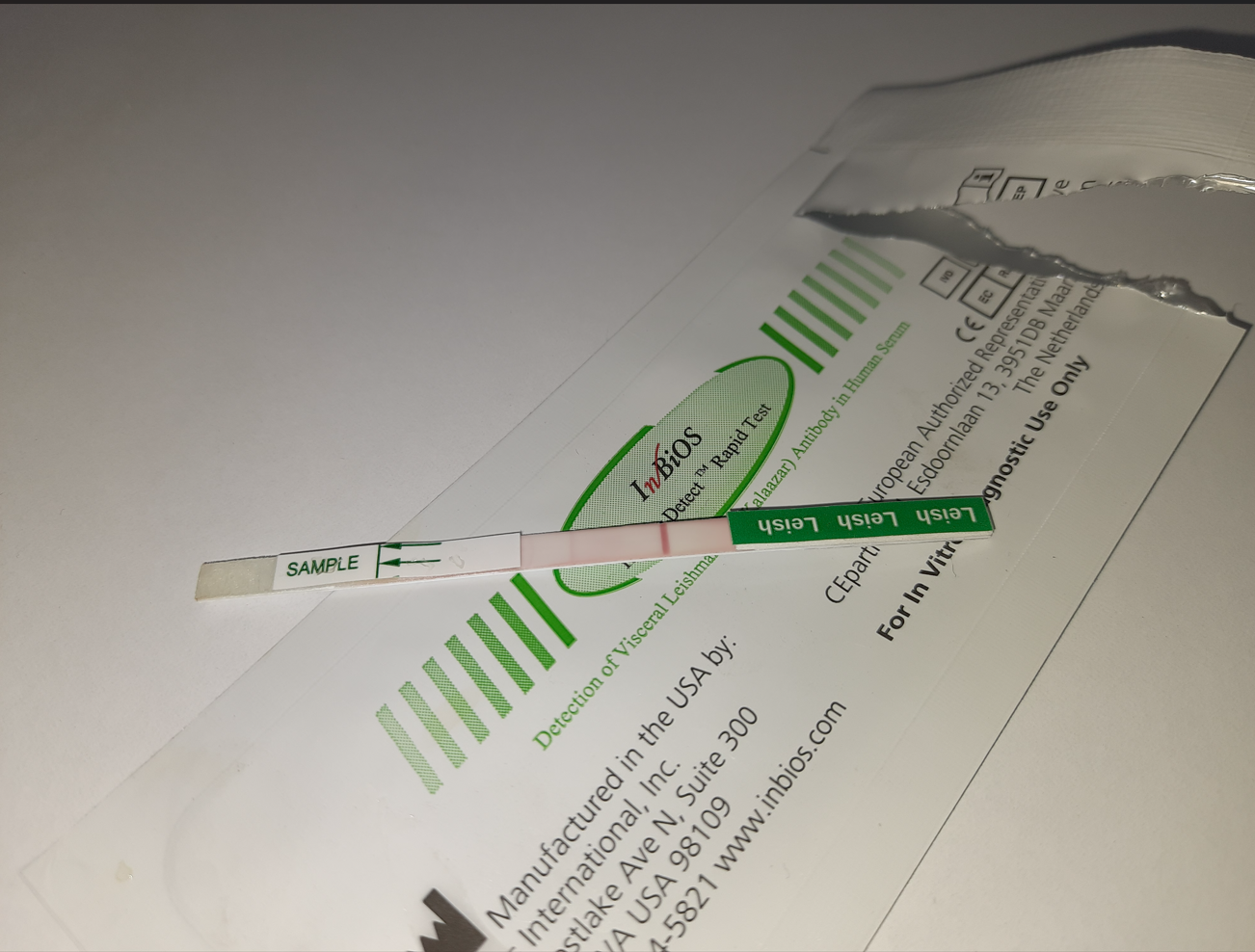
An InBiOS Detect rapid diagnostic test for Visceral Leishmaniasis (Kala-azar) that appears to show two visible lines, which is consistent with a positive antibody result

Introduction The Rapid Diagnostic Test (RDT) for Visceral Leishmaniasis (VL), often known as the rK39 test or Kalazar Detect™, is a specific, non-invasive immunochromatographic assay used to detect antibodies against Leishmania parasites in human serum or blood. Visceral Leishmaniasis (Kala-azar) is a severe, potentially fatal …

Read more

Hantavirus Outbreak: Introduction, Outbreak Status and Impact, Origin and Transmission, and Prevention Measures

 Introduction As of May 7, 2026, international health authorities are responding to a rare and deadly hantavirus outbreak aboard the Dutch expedition cruise ship MV Hondius. The outbreak is specifically linked to the Andes strain, which is notable for being the only hantavirus variety capable …

Read more

D-Zone Test: Introduction, Principle, Procedure, Result-Interpretation, Clinical Significance, and Keynotes

D-Zone Test Positive strain of Staphylococcus aureus

Introduction The D-Zone test identifies inducible clindamycin resistance in bacteria. Typically, it involves using erythromycin and clindamycin discs on an agar plate. When placed near each other, the interaction is observed. If a D-shaped zone appears around clindamycin, resistance is confirmed. Consequently, this test helps …

Read more