Salmonella Paratyphi: Introduction, Identification Features, Keynotes, and Salmonella Footages
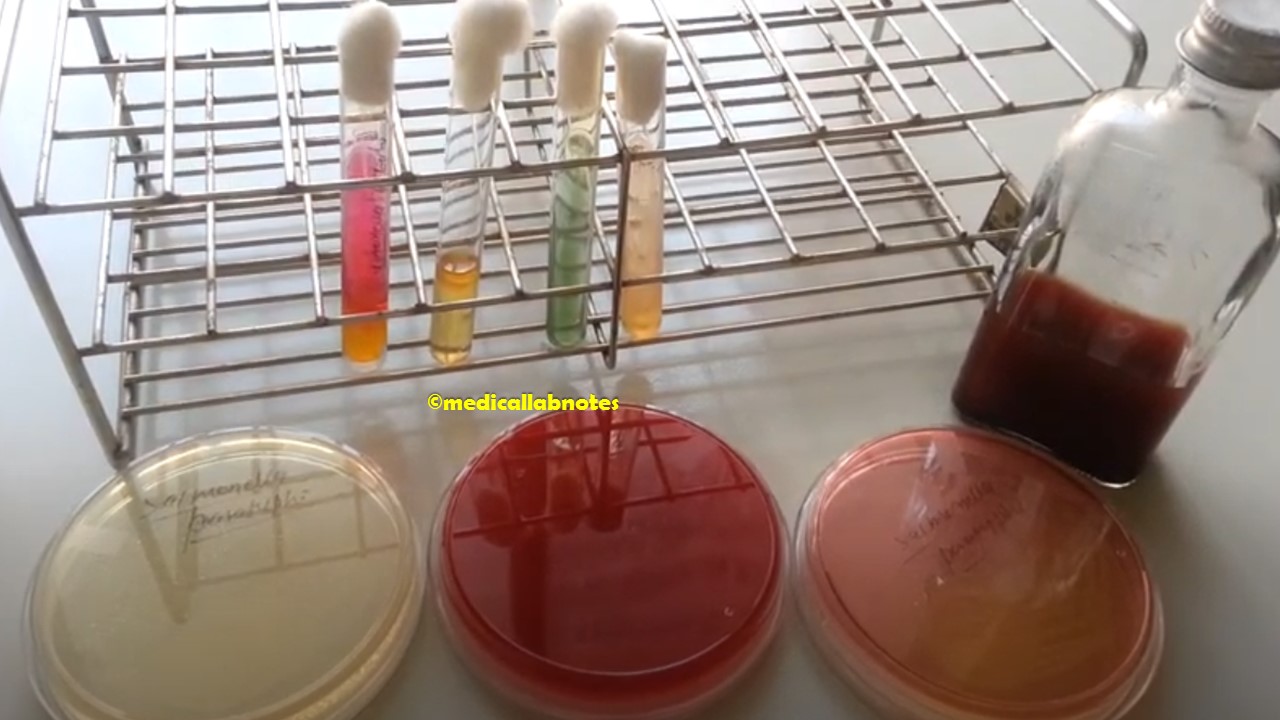
Salmonella Serovar Paratyphi growth on Nutrient agar, Blood agar, MacConkey medium, BHI broth and Biochemical reactions in TSI, SIM, citrate and urea agar

Introduction Salmonella Paratyphi (serovar) belongs to Enterobacteriaceae and thus is a Gram-negative bacterium causing mild gastroenteritis to a life-threatening bloodstream infection. It causes paratyphoid fever and it is restricted to humans. Proper sanitation and hygiene may decrease its infection chance. Travelers must be cautious during …
Read more

Exotoxins and Endotoxins: Introduction, Differences, and Keynotes

Exotoxins and Endotoxins: Introduction, Differences, and Keynotes

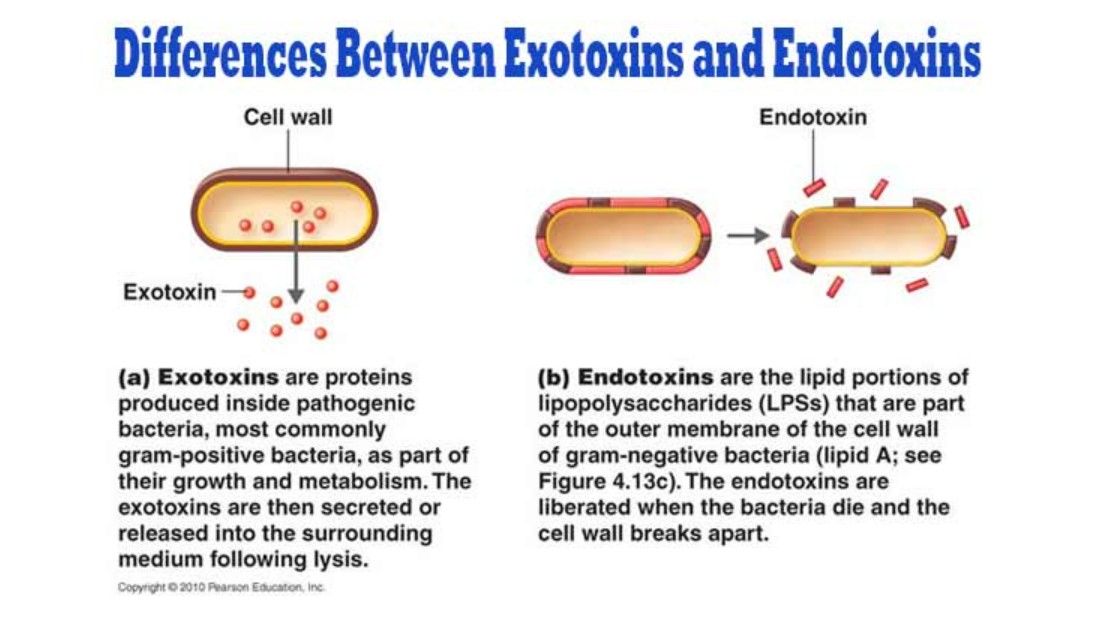
Introduction of Exotoxins and Endotoxins Numerous bacteria produce toxins, enzymes, and pigments. Toxins and enzymes play significant roles in pathogenicity. Toxins are of two types- Differences Between Exotoxins and Endotoxins The differences between exotoxins and endotoxins are as follows- S. No Exotoxins Endotoxins 1. Exotoxins …

Read more

Salmonella Typhi: Introduction, Identification Features, Keynotes, and Salmonella Footages

Salmonella Typhi growth on MacConkey, Gram stained image, biochemical tests and Salmonella Typhi and S. Paratyphi on XLD agar

Introduction of Salmonella Typhi Salmonella Typhi is a member of the family, Enterobacteriaceae and it is a Gram-negative bacillus, non-sporing, non-encapsulated, aerobic, or facultative anaerobe of size 2 to 4 × 0.6 µm that causes enteric fever (typhoid fever) and food poisoning or gastroenteritis. Biochemical …

Read more

Enterobacteriaceae: Introduction, Phenotypic Features, Keynotes, and Related photos

Enterobacteriaceae: Introduction, Phenotypic Features and Keynotes and Related photos

Introduction of Enterobacteriaceae The family Enterobacteriaceae was first proposed by Rahn in 1936 and it is a very large group of gram-negative bacteria that possess a number of common morphological and biochemical properties and similar DNA base compositions. The widely used systems for the classification …

Read more

Lactose Fermenter (LF) and Non-Lactose Fermenter (NLF) Gram-Negative Bacteria: Introduction, List of LF and NLF Bacteria, and Keynotes

LF and NLF Colonies of Klebsiella and Pseudomonas on MacConkey medium

Introduction of LF and NLF Gram-Negative Bacteria on MacConkey Medium MacConkey agar/ medium is recommended for use as a selective, differential, and indicator growth medium for the isolation of gram-negative bacilli including coliform organisms and enteric pathogens, on the basis of lactose fermentation. Peptones (meat …

Read more