Gram Stain: Introduction, Principle, Test Requirements, Procedure, Result and Interpretation, Keynotes and Collection of Some Gram Stained Footages
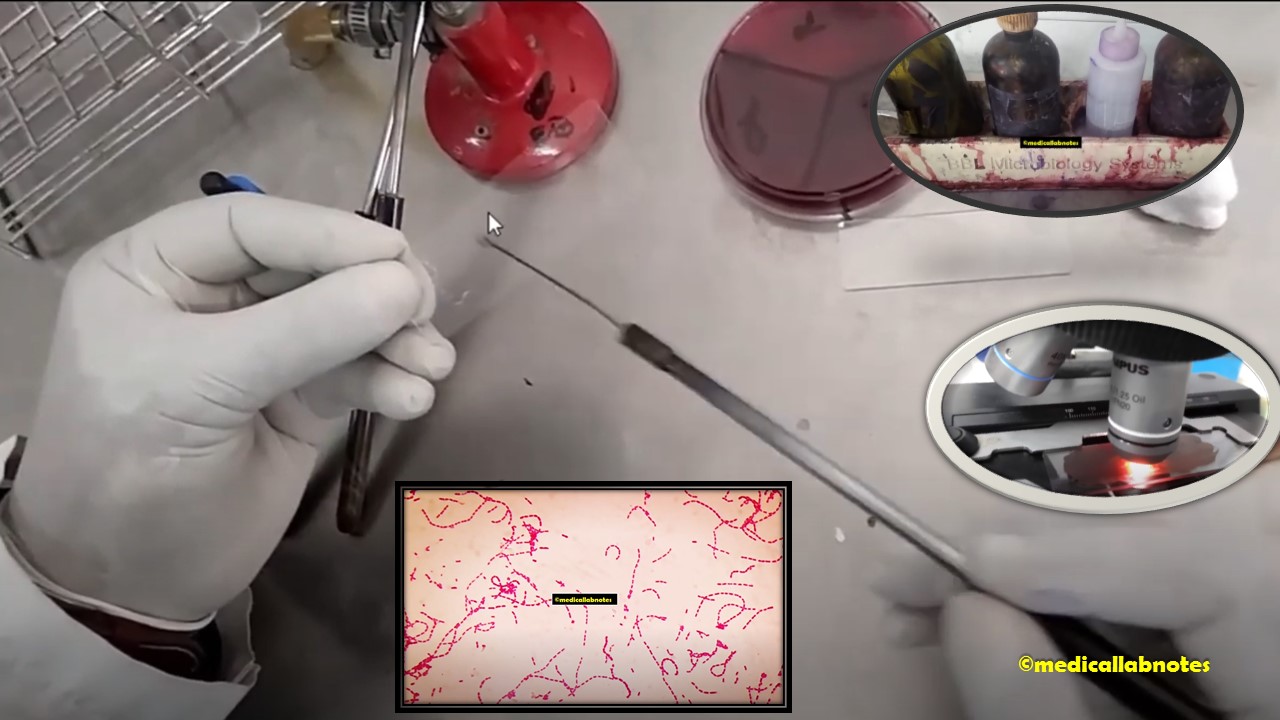
Gram Stain: Introduction, Principle, Test Requirements, Procedure, Result and Interpretation, Keynotes and Collection of Some Gram Stained Footages

Introduction of Gram Stain Gram stain is the most commonly used routine stain in microbiology for the identification of microbes and also to know the evidence of etiological agents in clinical specimens. Gram staining is a differential stain and thus it applies to differentiate Gram-positive …
Read more

Coagulase Test: Introduction, Principle, Types, Test Requirements, Procedure, Result Interpretation, List of Coagulase Positive and Negative Bacteria, Limitations, and Keynotes

Coagulase Test: Introduction, Principle, Types, Test Requirements, Procedure, Result Interpretation, List of Coagulase Positive and Negative Bacteria, Limitations and Keynotes

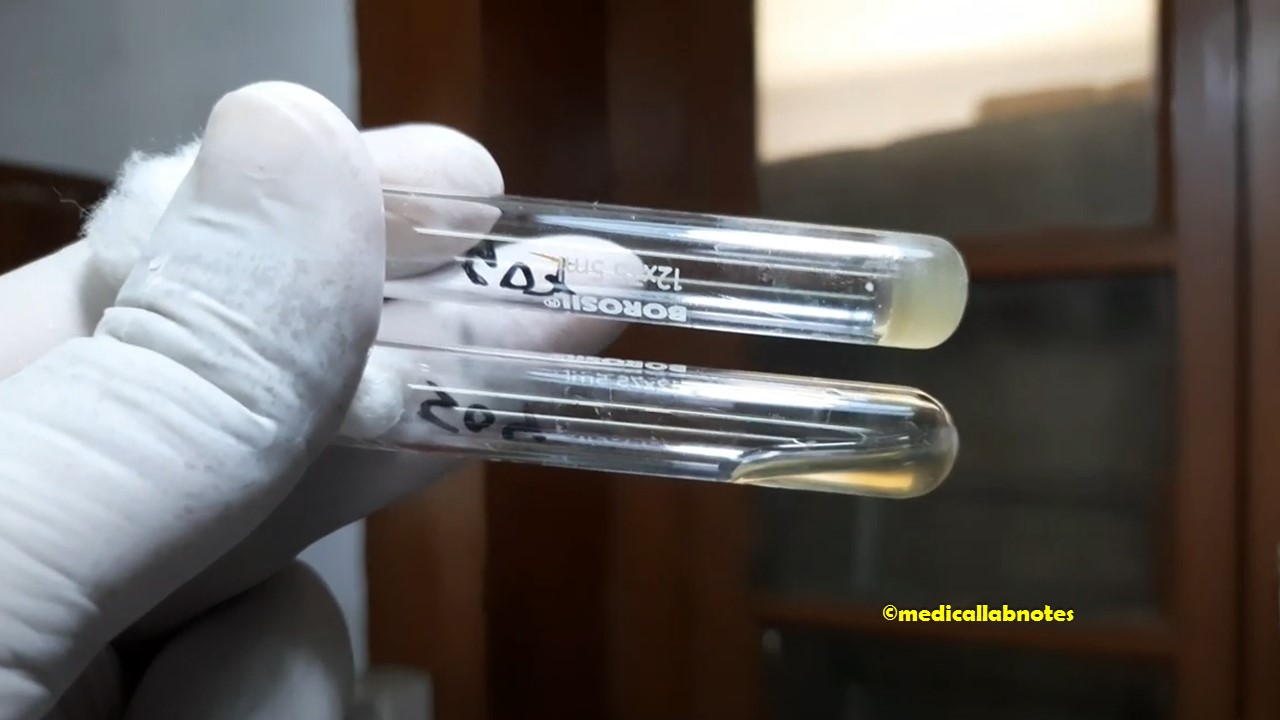
Introduction of Coagulase Test The coagulase test is an enzymatic assay that is applied to differentiate Staphylococcus aureus (positive) from coagulase-negative staphylococci (CoNS). Coagulase is an enzyme formed by S. aureus which changes soluble fibrinogen of plasma to insoluble fibrin. S. aureus produces two forms of coagulase. One is bound coagulase …

Read more

Catalase Test: Introduction, Principle, Procedure, Result Interpretation, and Precautions

Catalase Test- Introduction, Principle, Procedure, Result Interpretation and Precautions

Introduction of Catalase Test The catalase test is the most common in bacteriology and is commonly used to differentiate those bacteria that produce this enzyme, such as staphylococci, from non-catalase producing bacteria such as streptococci. It is two types depending on the testing methods and they …

Read more

Bacteria-wise Antimicrobial Susceptibility Testing (AST): Introduction, List of Bacterial Panel, Antibiotics

Bacteria wise Antimicrobial Susceptibility Testing (AST): Introduction, List of Bacterial Panel, Antibiotics

Introduction of Bacteria-wise Antimicrobial Susceptibility Testing (AST) All antimicrobial agents/ antibiotics are not applicable for all bacteria and for this reason, we should follow organism-wise antibiotics policy. As we know, antimicrobial resistance (AMR) is increasing day by day but no new antibiotic has not been …

Read more

Staphylococcus and Micrococcus: Introduction, Differences, and Keynotes

Differences Between Staphylococcus and Micrococcus

Introduction of Staphylococcus and Micrococcus Staphylococci are Gram-positive bacteria, with diameters of 0.5 – 1.5 µm and non-motile, non-spore-forming facultative anaerobes that grow by aerobic respiration or by fermentation, and they are characterized by individual cocci, which divide in more than one plane to form …

Read more