Exotoxins and Endotoxins: Introduction, Differences, and Keynotes

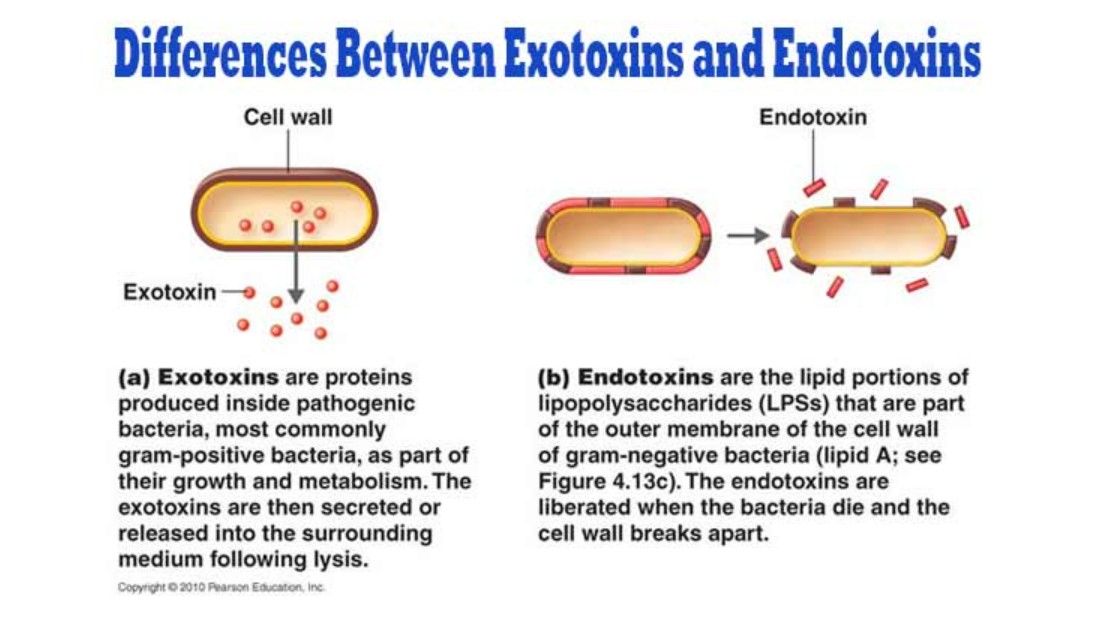
Exotoxins and Endotoxins: Introduction, Differences, and Keynotes

Introduction of Exotoxins and Endotoxins Numerous bacteria produce toxins, enzymes, and pigments. Toxins and enzymes play significant roles in pathogenicity. Toxins are of two types- Differences Between Exotoxins and Endotoxins The differences between exotoxins and endotoxins are as follows- S. No Exotoxins Endotoxins 1. Exotoxins …

Read more

Bacterial Endotoxin Detection by Chromogenic Method: Introduction, Principle, Product Characteristics, and Keynotes

Bacterial Endotoxin Detection by Chromogenic Method: Introduction, Principle, Product Characteristics, and Keynotes

Introduction of Bacterial Endotoxin Detection by Chromogenic Method Bacterial Endotoxin Detection by Chromogenic Method uses for screening and diagnosis of Gram-negative bacterial infection with a low limit of detection is 1 pg/ml (0.005EU/ml). It also applies to the quantitative detection of endotoxin in pharmaceutical and …

Read more

Immunochromatography Analyzer In Mycology Laboratory: Introduction, Instrument Structure, Instrument Parameters, Detecting Tests, and Keynotes

Mycology Laboratory: Introduction, Instrument Structure, Instrument Parameters, Detecting Tests, and Keynotes

Introduction of Immunochromatography Analyzer In Mycology Laboratory Immunochromatography Analyzer In Mycology Laboratory is an immunochromatography strip test system based on the photoelectric detection principle which should support the use of reagents based on the Gold Immunochromatography principle. With the suitable paper strip based on the …

Read more

Full-Automatic Chemiluminescence Immunoassay System (FACIS): Introduction, Instrument Features, Testing Parameters, and Keynotes

FACIS-1

Introduction of Automation System for Invasive Fungal Diagnostics/FACIS Full-Automatic Chemiluminescence Immunoassay System (FACIS) is an open system to detect the content of endotoxin, (1-3)-β-D-glucan and galactomannan in bronchoalveolar lavage (BAL) fluid or serum clinical samples. With both a photometry system and chemiluminescence system built in, …

Read more

Nosocomial Infections and Their Common Causative Agents: Introduction, Types, List of Microbial Agents, and Keynotes

Acinetobacter baumannii Complex-the most common bacterial etiological agent of Nosocomial Infections

Introduction of Nosocomial Infections Nosocomial infections are also called hospital-acquired infections (HAI) that occur during hospital stay and microbes are the causative agent of such infections. Common Nosocomial Infections The most commonly occurring nosocomial infections are as follows- Microbial Etiological Agents of Common Nosocomial Infections …

Read more

SARS‑CoV‑2 RNA Extraction using Biocomma Kit: Introduction, Reagent Preparation, Extraction Requirements, Procedure, and Keynotes

SARS‑CoV‑2 RNA Extraction using Biocomma Kit: Introduction, Reagent preparation, Extraction requirements, Procedure and Keynotes

Introduction of SARS‑CoV‑2 RNA Extraction using Biocomma Kit Biocomma nucleic acid (DNA/RNA) extraction kit is a Chinese product that is useful for RNA extraction systems for COVID-19 detection. It is applied for manual extraction and it is completed in four steps- A kit (for 50 …

Read more

Indole test: Introduction, Principle, Test Requirements, Procedure, Result -Interpretation, and Keynotes

Indole test: Introduction, Principle, Test Requirements, Procedure, Result -Interpretation, and Keynotes

Indole Production test This indole test is useful to identify the bacteria on the basis of indole production. The list of indole-positive organisms is- Principle of Indole test The ability of an organism to split Indole from the amino acid tryptophan is due to the presence of …

Read more

Alkaptonuria: Introduction, Symptoms, Causes, Lab Diagnosis, Treatment, and Keynotes

Alkaptonuria: Introduction, Symptoms, Causes, Lab Diagnosis, and Treatment

Introduction Alkaptonuria is an enzyme deficiency, homogentisic dioxygenase (HGD) rare inherited disorder. It is used to break down a toxic substance called homogentisic acid. Excess of homogentisic acid causes bones and cartilage to become discolored and brittle which causes later osteoarthritis, especially in the spine …

Read more