Hafnia alvei: Introduction, and Properties

Hafnia alvei (white mucoid) colony on Muller-Hinton Agar (MHA)

Introduction of Hafnia alvei Hafnia alvei is a members of the Enterobacteriaceae and it is inhabited in our gastrointestinal tract and also in many animal species as part of the normal microflora. It is a Gram negative rod, non capsulated and non-sporing bacterium motile with …

Read more

Enterobacteriaceae: Introduction, Phenotypic Features, Keynotes, and Related photos

Enterobacteriaceae: Introduction, Phenotypic Features and Keynotes and Related photos

Introduction of Enterobacteriaceae The family Enterobacteriaceae was first proposed by Rahn in 1936 and it is a very large group of gram-negative bacteria that possess a number of common morphological and biochemical properties and similar DNA base compositions. The widely used systems for the classification …

Read more

Lactose Fermenter (LF) and Non-Lactose Fermenter (NLF) Gram-Negative Bacteria: Introduction, List of LF and NLF Bacteria, and Keynotes

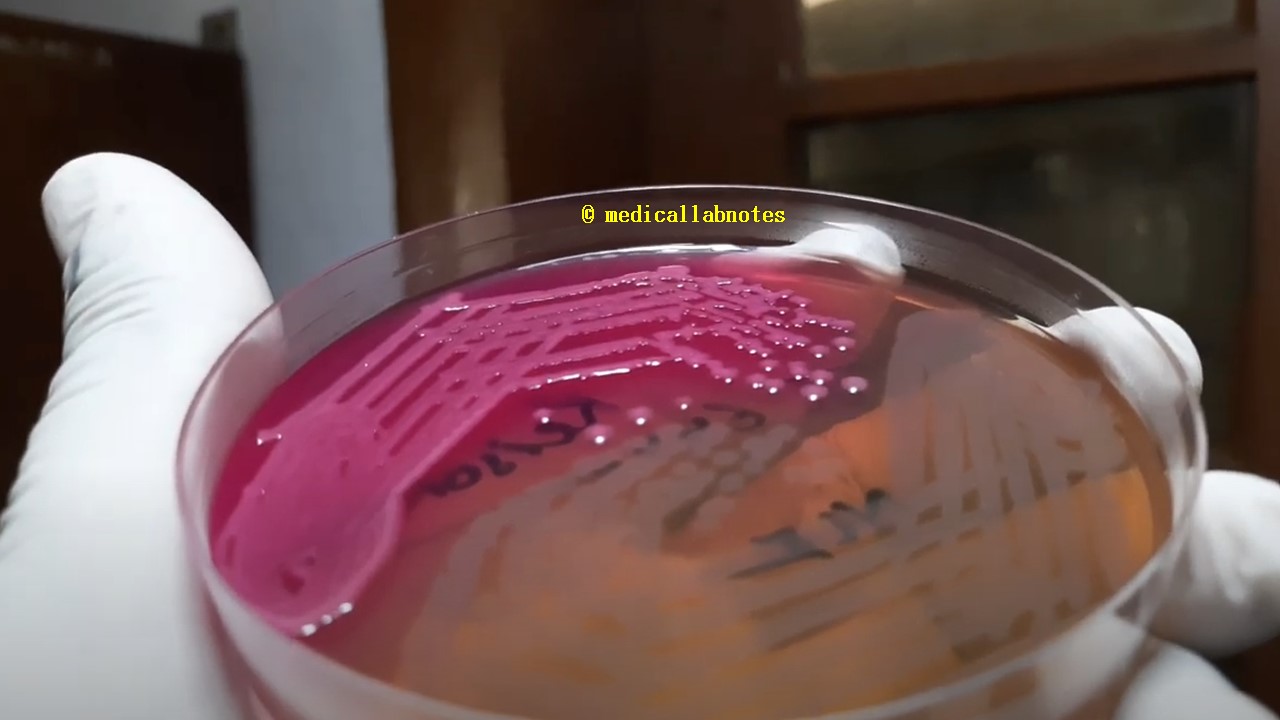
LF and NLF Colonies of Klebsiella and Pseudomonas on MacConkey medium

Introduction of LF and NLF Gram-Negative Bacteria on MacConkey Medium MacConkey agar/ medium is recommended for use as a selective, differential, and indicator growth medium for the isolation of gram-negative bacilli including coliform organisms and enteric pathogens, on the basis of lactose fermentation. Peptones (meat …

Read more

Negative Pressure HEPA Filtration Unit for Isolation Rooms and Other High Risk Areas: Introduction, Parts of Instrument/Unit, Working Mechanisms, Applications and Keynotes

Negative Pressure HEPA Filtration Unit for Isolation Rooms and Other High Risk Areas Introduction, Parts of InstrumentUnit, Working Mechanisms, Applications and Keynotes

Introduction “Negative Pressure HEPA Filtration Unit” is useful for hospital (isolation ward that keeps patients with infectious illnesses or immunocompromised individuals who are susceptible to infections from others, away from other patients, visitors, and healthcare workers) and molecular laboratory (Sample Aliquoting and RNA Extraction Room …

Read more

Staphylococcus and Micrococcus: Introduction, Differentiating Features, Keynotes, and Related Footages

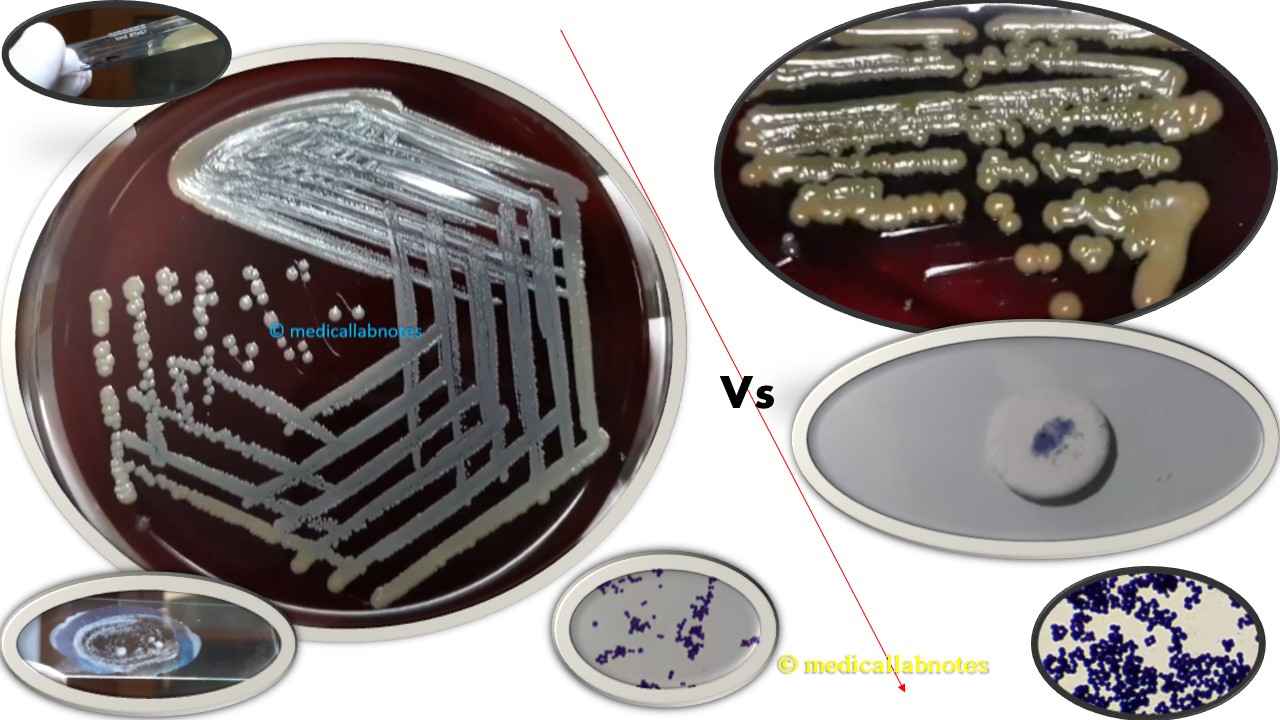
Staphylococcus Vs Micrococcus: Introduction, Differentiating Features, Keynotes, and Related Footages

Introduction of Staphylococcus and Micrococcus Staphylococcus (pleural-staphylococci) is spherical, non-motile, gram-positive in singles, pairs, and clusters. On nutrient agar, growth is opaque and golden yellow or white color. Catalase and coagulase test positive (Staphylococcus aureus), oxidase negative, aerobic or facultative anaerobe. Parasite of humans and …

Read more

Pneumococcus and Viridans streptococci: Introduction, Differentiating Features, Keynotes, Pneumococcus, and Viridans streptococci Footages

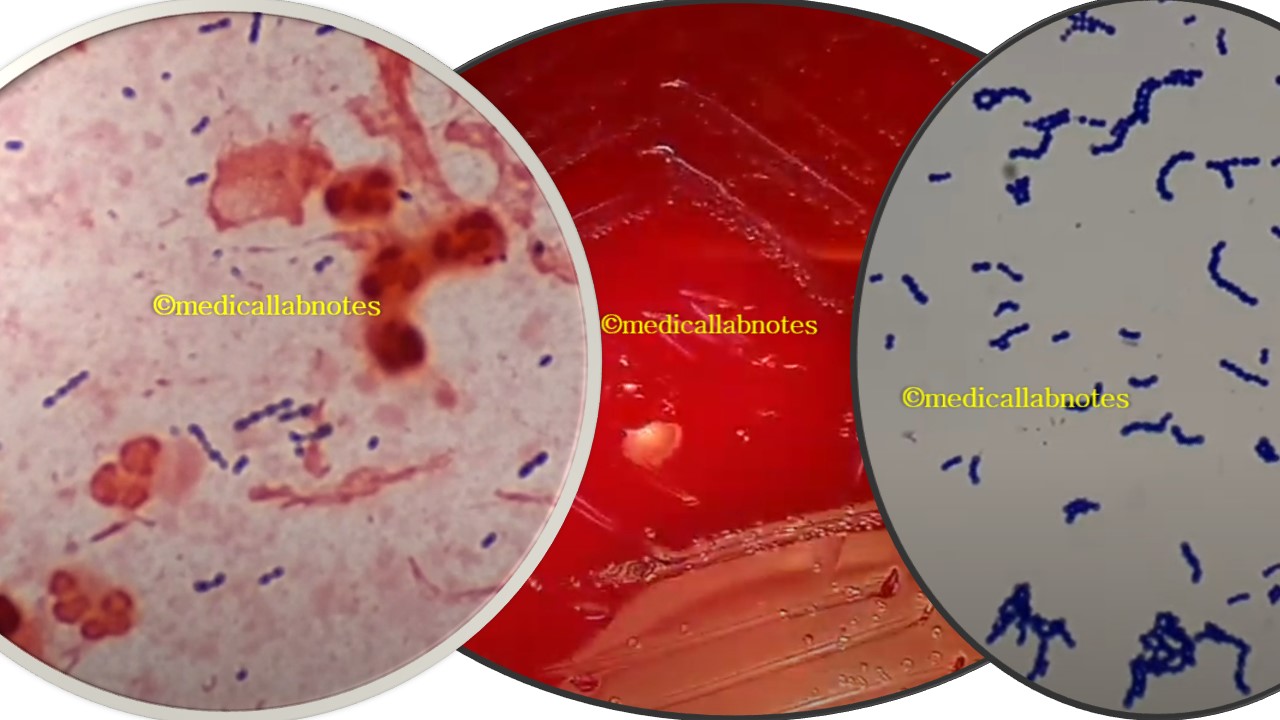
Streptococcus pneumoniae Versus Viridans streptococci- Introduction, Differentiating Features, Keynotes, Pneumococcus, and Viridans streptococci Footages

Introduction of Streptococcus pneumoniae and Viridans streptococci Streptococcus pneumoniae is also called pneumococcus and pneumococcus is the commensals of the upper respiratory tract. It is an important etiological agent of pneumonia and otitis media in children that differs from streptococci in its morphology (diplococci), bile …

Read more

Amoebic and Bacillary dysentery: Introduction, Differences, and Keynotes

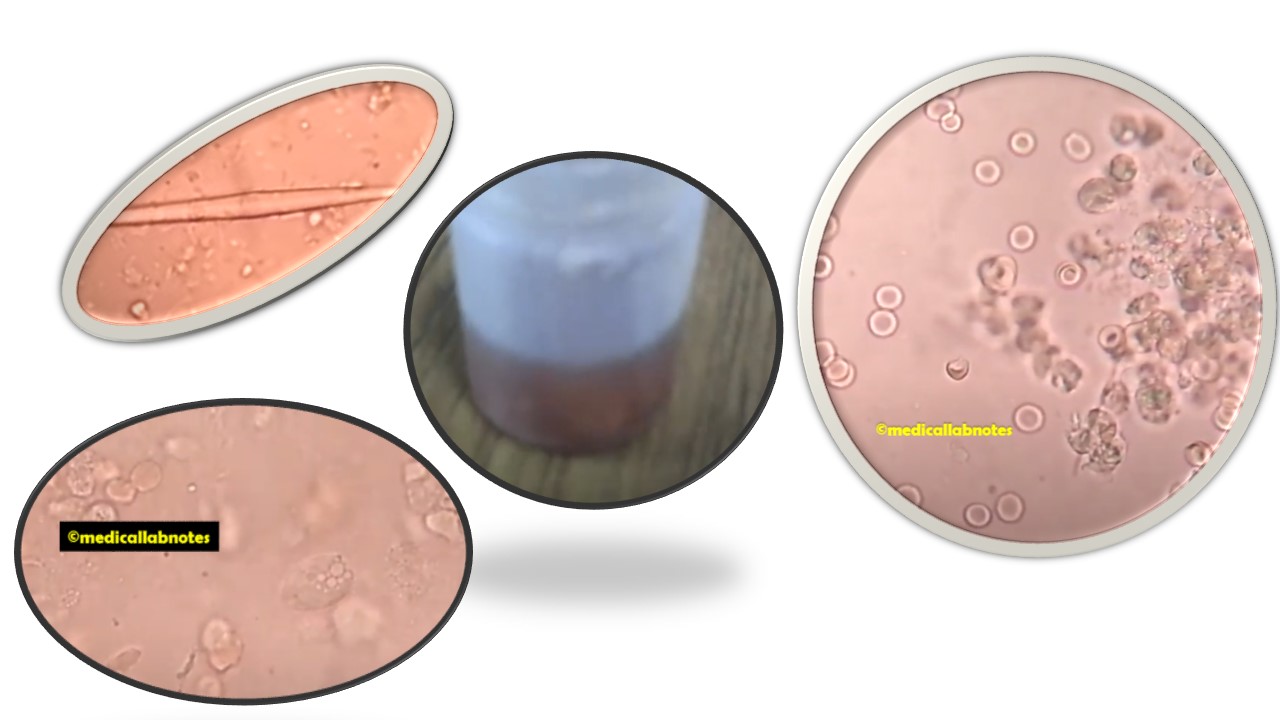
Amoebic dysentery Vs Bacillary dysentery- Introduction, Differences, and Keynotes

Introduction of Amoebic dysentery and Bacillary dysentery Amoebic dysentery or amoebiasis is an intestinal infection caused by a unicellular (protozoan) parasite, Entamoeba histolytica whereas bacillary dysentery or shigellosis is a bacterial disease caused by a group of non-motile bacteria called Shigella species. Differences between Amoebic …

Read more

Mueller-Hinton agar (MHA): Introduction, Composition, Principle, Preparation Requirements, Testing Procedure, Colony Characteristics, Uses, Keynotes, and MHA Footages

Mueller-Hinton agar (MHA): Introduction, Composition, Principle, Preparation Requirements, Testing Procedure, Colony Characteristics, Uses, Keynotes, and MHA Footages

History and Introduction of Mueller-Hinton Agar (MHA) The name Mueller- Hinton agar(MHA) is from the surname of co-developers microbiologist John Howard Mueller and veterinary scientist Jane Hilton at Harvard University as a culture for gonococcus and meningococcus, who published the method in 1941. It is a non-selective and non-differential …

Read more