Cylindrocarpon : Introduction, Morphology, Pathogenicity, Lab Diagnosis, Treatment, Prevention, and Keynotes

Introduction Cylindrocarpon is a genus of fungi that belongs to the class Dothideomycetes. This genus is characterized by its cylindrical or slightly curved, hyaline (colorless) conidia, which are the asexual spores produced by the fungus. The name “Cylindrocarpon” is derived from Greek, where “cylindro” means …
Read more

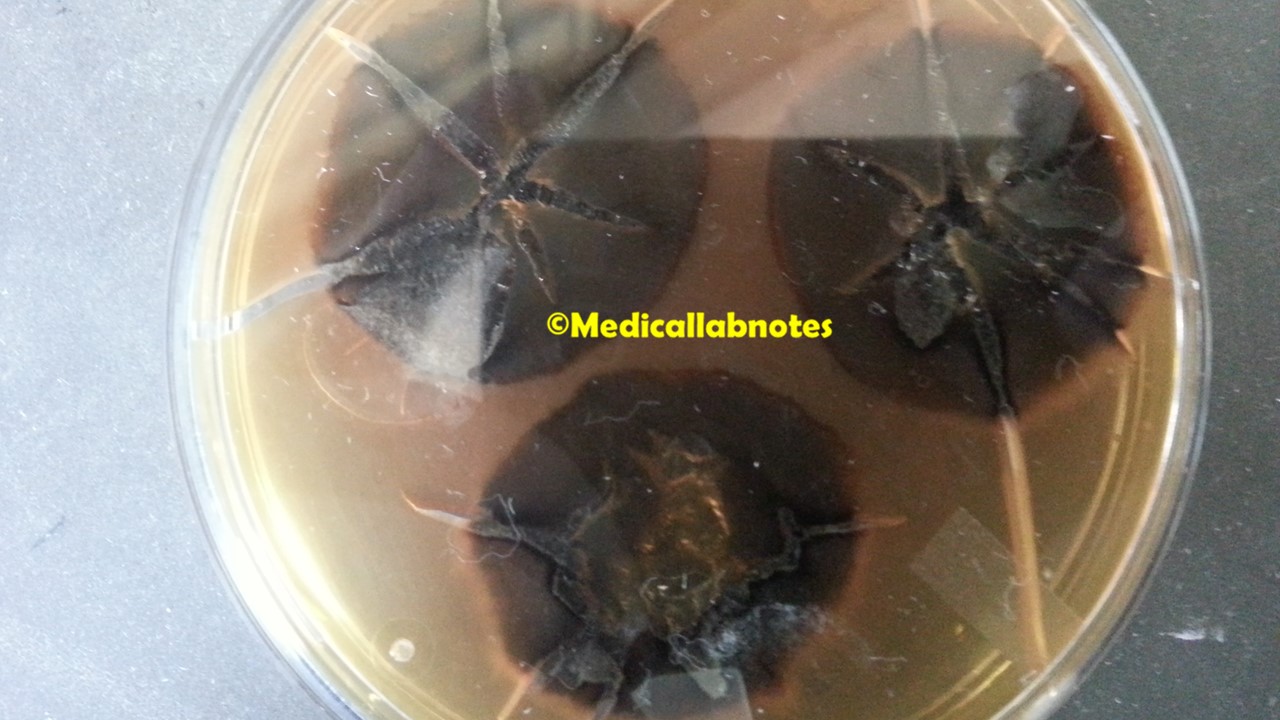
Curvularia: Introduction, Morphology, Pathogenicity, Lab Diagnosis, Treatment, Prevention, and Keynotes

Curvularia Colony characteristics on SDA-Reverse side view

Introduction Curvularia is a genus of filamentous fungi belonging to the family Pleosporaceae, commonly found in soil, decaying plant material, and various environmental niches. These fungi are known for their distinctive curved or sigmoid-shaped conidia (asexual spores), which give the genus its name. Characteristics: Pathogenicity: …

Read more

Bipolar Staining: Introduction, Uses, and Keynotes

Bipolar Staining: Introduction, Uses, and Keynotes

Introduction Bipolar staining refers to a specific pattern of staining observed in certain bacteria during Gram staining, a common laboratory technique used to classify bacteria based on their cell wall characteristics. In a typical Gram stain, bacterial cells are first stained with crystal violet, followed …

Read more

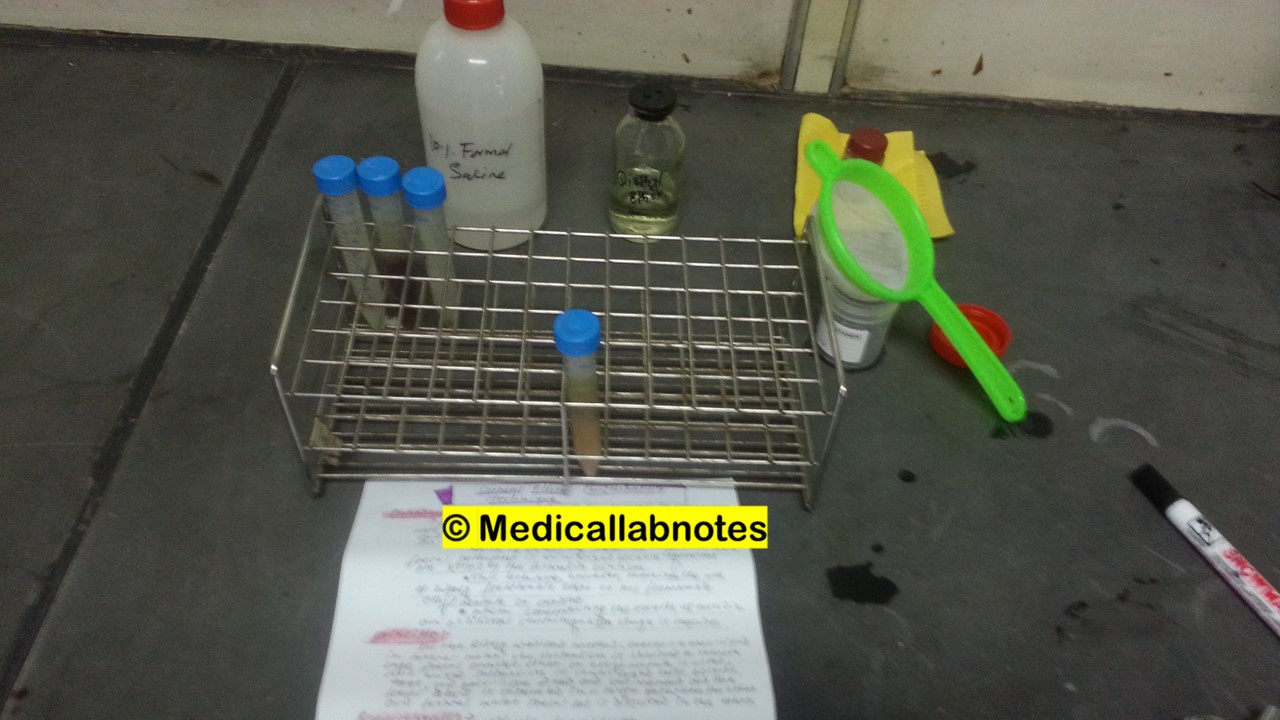
Formal Ether Concentration Technique-Introduction, Principle, Test Requirements, Test Procedure, Uses, and Keynotes

Formal Ether Concentration Technique

Introduction The Formal Ether Concentration Technique is a laboratory method used to concentrate parasitic organisms, such as eggs, larvae, or cysts, from a fecal sample. It is particularly useful for the detection of intestinal parasites that may be present in low numbers and are difficult …

Read more