SIM Test: Introduction, Principle, Test Requirements, Procedure, Result Interpretation, and Limitations

SIM Test: Introduction, Principle, Test Requirements, Procedure, Result Interpretation, and Limitations

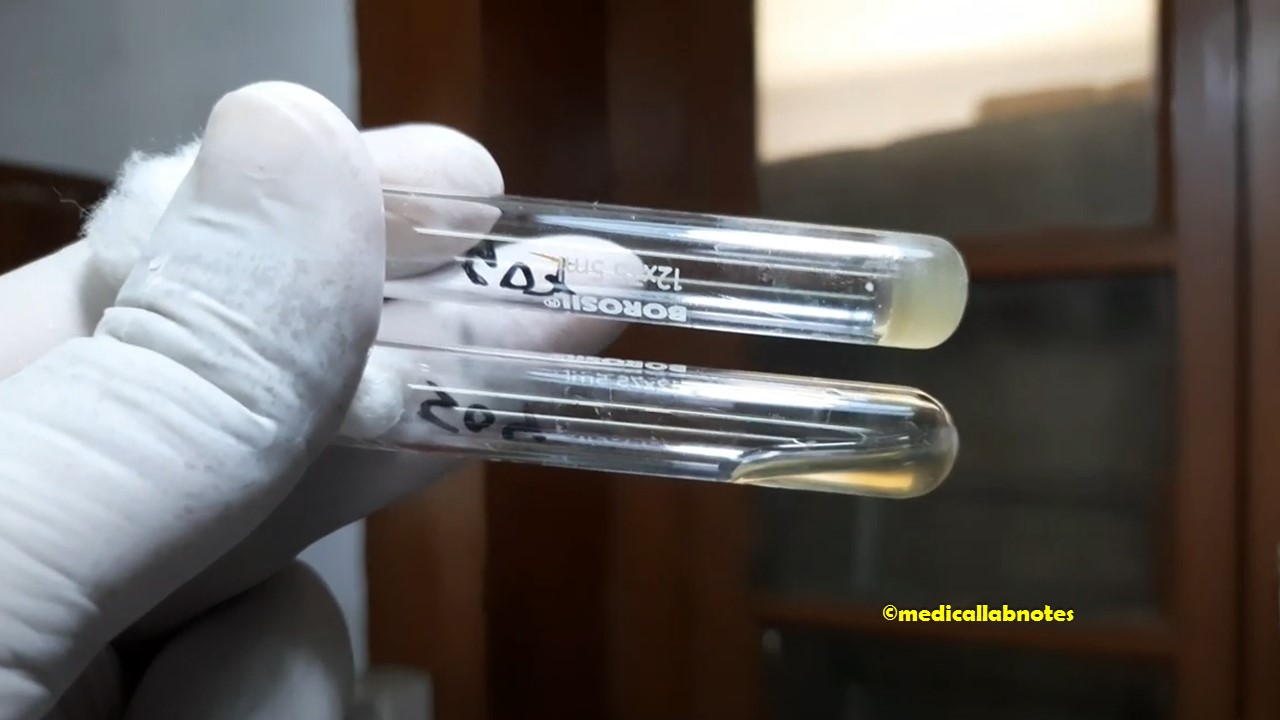
Introduction SIM stands for sulfide, Indole, and Motility and SIM medium is applied for the differentiation of gram-negative enteric bacilli. SIM test assists to isolate the bacteria on the basis of sulfide production, indole formation, and motility and thus SIM test is a combination of three …

Read more

Urease Test: Introduction, Principle, Procedure, Result-Interpretation, Urease Positive Organisms List, Limitations, and Keynotes

Urease Test- Introduction, Principle, Procedure, Result-Interpretation, Urease Positive Organisms List, Limitations and Keynotes

Introduction The urease test is also known as the urea hydrolyzation test or urea test and it is important for certain bacteria and fungi that possess this enzyme which hydrolyzes urea releasing ammonia into the medium. This produces a change in the pH of the …

Read more

Gram Stain: Introduction, Principle, Test Requirements, Procedure, Result and Interpretation, Keynotes and Collection of Some Gram Stained Footages

Gram Stain: Introduction, Principle, Test Requirements, Procedure, Result and Interpretation, Keynotes and Collection of Some Gram Stained Footages

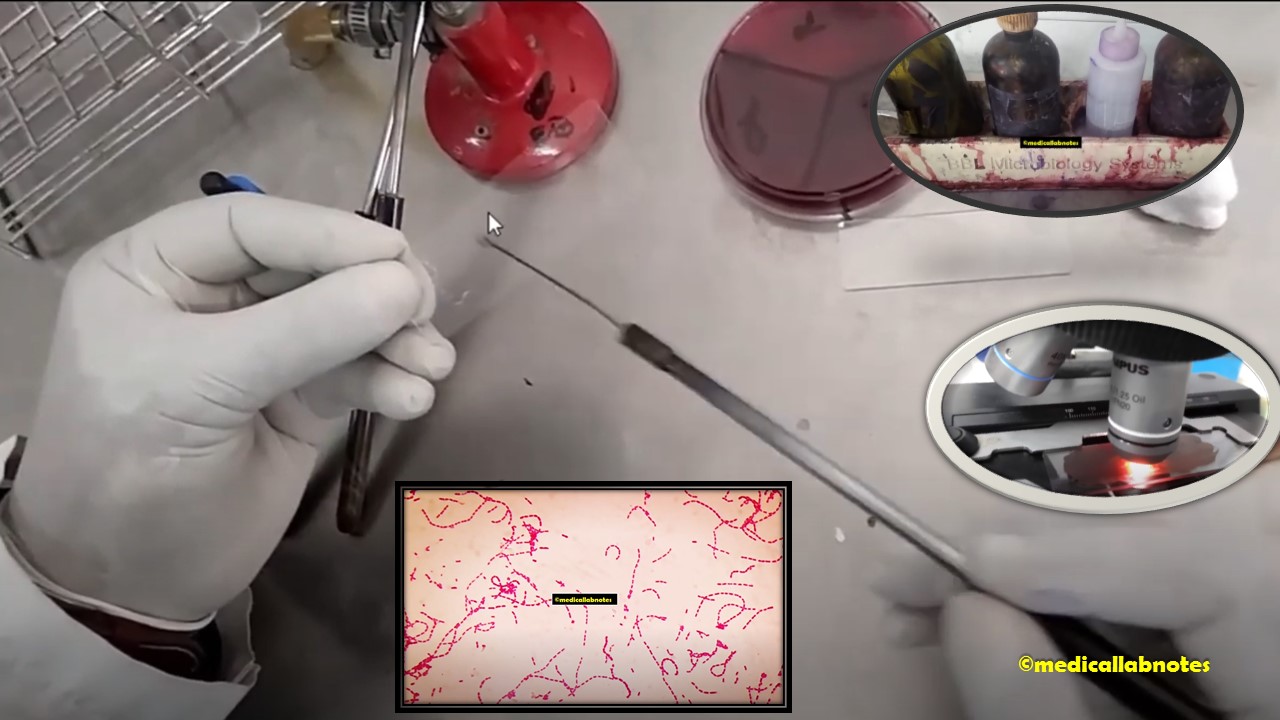
Introduction of Gram Stain Gram stain is the most commonly used routine stain in microbiology for the identification of microbes and also to know the evidence of etiological agents in clinical specimens. Gram staining is a differential stain and thus it applies to differentiate Gram-positive …

Read more

Coagulase Test: Introduction, Principle, Types, Test Requirements, Procedure, Result Interpretation, List of Coagulase Positive and Negative Bacteria, Limitations, and Keynotes

Coagulase Test: Introduction, Principle, Types, Test Requirements, Procedure, Result Interpretation, List of Coagulase Positive and Negative Bacteria, Limitations and Keynotes

Introduction of Coagulase Test The coagulase test is an enzymatic assay that is applied to differentiate Staphylococcus aureus (positive) from coagulase-negative staphylococci (CoNS). Coagulase is an enzyme formed by S. aureus which changes soluble fibrinogen of plasma to insoluble fibrin. S. aureus produces two forms of coagulase. One is bound coagulase …

Read more

Citrate Utilization Test: Introduction Principle, Procedure, Result and Interpretation, Citrate Utilization Test Positive and Negative Bacteria List and keynotes

Citrate Utilization Test: Introduction Principle, Procedure, Result and Interpretation, Citrate Utilization Test Positive and Negative Bacteria List and keynotes

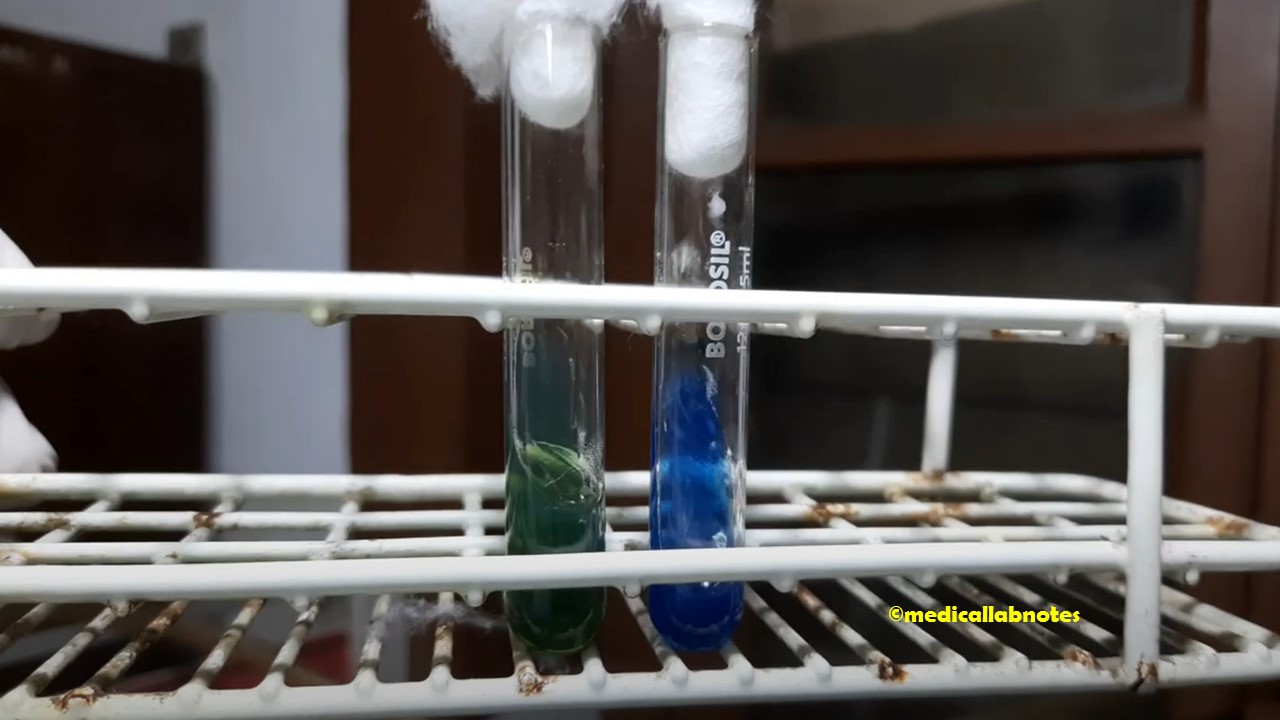
Introduction A citrate utilization test is the most commonly used routine biochemical test for Gram-negative rods in bacteriology for the identification of bacteria on the basis of citrate utilization. Klebsiella pneumoniae is the citrate utilization-positive organism while Escherichia coli is negative. Principle of Citrate Utilization Test …

Read more

Common Formulae of Diagnostic Laboratory: Introduction, List of Formulae, and Description

Required Common Formulae of Diagnostic Laboratory

Introduction of Common Formulae of Diagnostic Laboratory The ‘Common Formulae of Diagnostic Laboratory’ title is really useful who are involved in the Department of Pathology and Laboratory Medicine tests reporting as well as students who are related to this branch of health science. The author …

Read more

Catalase Test: Introduction, Principle, Procedure, Result Interpretation, and Precautions

Catalase Test- Introduction, Principle, Procedure, Result Interpretation and Precautions

Introduction of Catalase Test The catalase test is the most common in bacteriology and is commonly used to differentiate those bacteria that produce this enzyme, such as staphylococci, from non-catalase producing bacteria such as streptococci. It is two types depending on the testing methods and they …

Read more

Oxidase Test for Bacteria: Introduction, Principle, Procedure, Result Interpretation, and Keynotes

Oxidase Test for Bacteria: Introduction, Principle, Procedure, Result Interpretation and Keynotes

Introduction of Oxidase Test (Kovac’s Method)  Gordon and McLeod introduced the application of a dimethyl-phenylenediamine dihydrochloride solution to test for the presence of oxidase systems in 1928. In particular, they used the test to differentiate N. gonorrhoeae (oxidase test positive) from Staphylococcus species and Streptococcus species (oxidase negative). The sensitivity of the …

Read more