Mannitol Salt Agar (MSA): Introduction, Composition, Principle, Test Requirement, Procedure, Result -Interpretation, Limitation, and Keynotes

Staphylococcus aureus , CoNS and inhibited growth of Escherichia coli on MSA

Introduction of Mannitol salt agar (MSA) Mannitol Salt Agar (MSA) is a selective, differential, and indicator medium which is used to isolate and identify S. aureus from clinical and non-clinical specimens. Other Staphylococcus species and Micrococcus also grow on this medium. Selective is due to very high salt (7.5%) compared with other media. Gram-Positive Staphylococcus: …
Read more

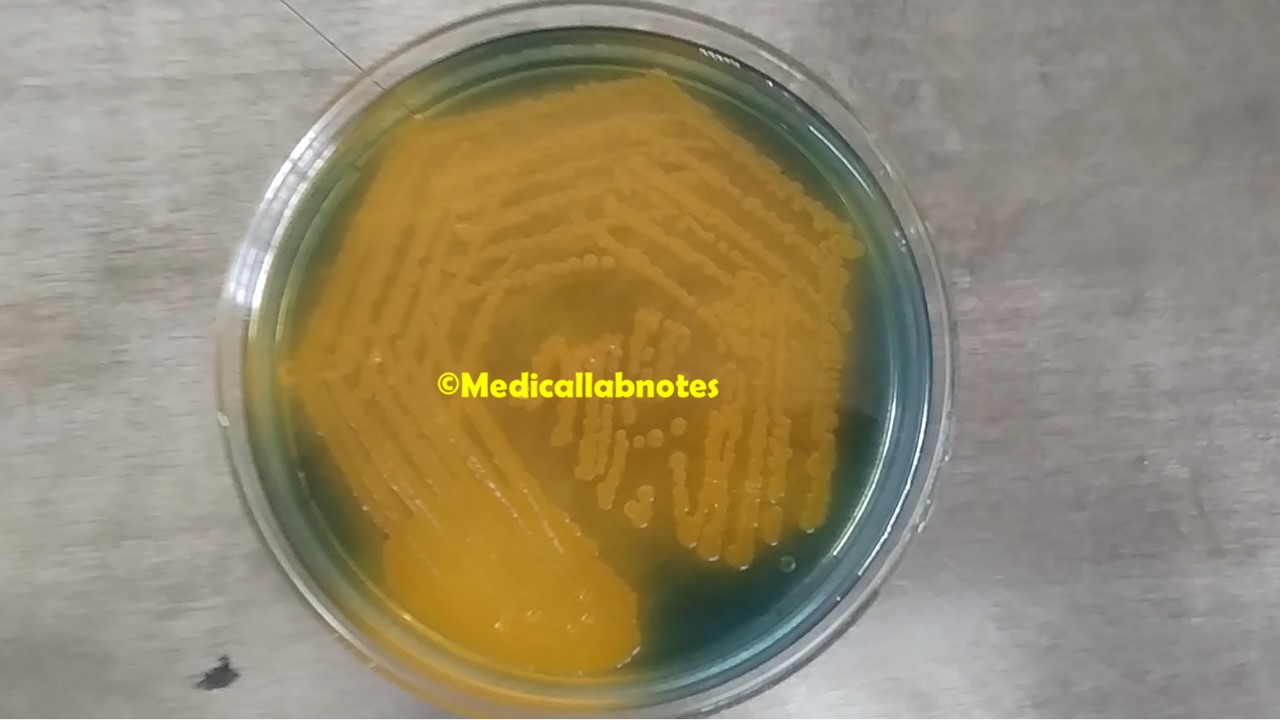
TCBS Agar : Introduction, Composition,Principle, Test Requirement,Procedure, Result -Interpretation, Limitation, and Keynotes

Vibrio cholerae colony morphology on TCBS agar

Introduction of TCBS Agar Vibrio cholerae is the causative agent of cholera and Thiosulfate Citrate bile salts sucrose (TCBS) agar is a selective as well as differential culture medium used for selective isolation of this bacterium including its species from a variety of clinical and nonclinical specimens. TCBS agar …

Read more

Czapek Dox Agar: Introduction, Composition, Principle, Test Requirements, Procedure, Result-Interpretation, Colony Characteristics, Modifications, Uses, and Keynotes

Aspergillus flavus growth on Czapek Dox Agar

Introduction of Czapek Dox Agar Czapek medium also called Czapek’s agar (CZA) from the surname of inventor Czech botanist Friedrich Johann Franz Czapek (1902-1903). Later CZA was modified by another American inventor, chemist Arthur Wayland Dox  (1910) and thus its name became’ Czapek-Dox medium’ and formula prepared …

Read more

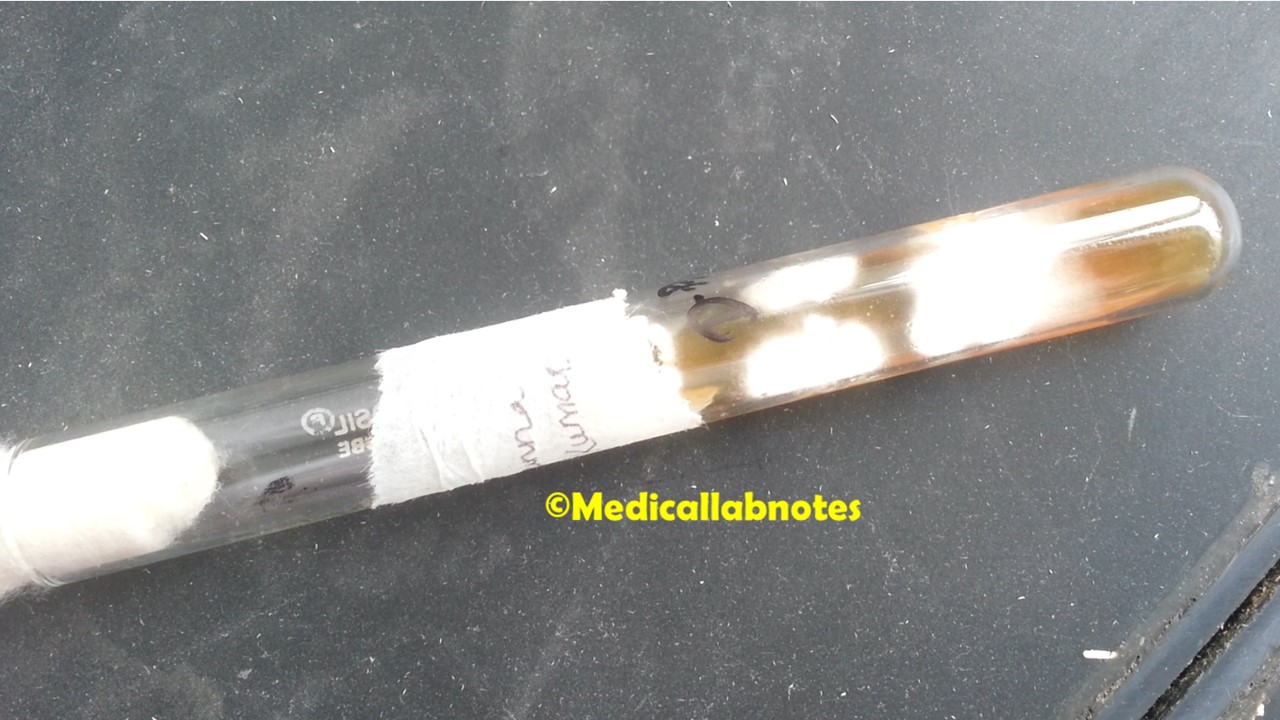
Dermatophyte Test Medium (DTM): Introduction, Composition, Principle, Test Requirements, Procedure, Result-Interpretation, Colony Characteristics, Modifications,Uses, and Keynotes

Dermatophytes growth on Dermatophyte Test Medium (DTM)

Introduction of Dermatophyte Test Medium (DTM) Dermatophyte Test Medium (DTM) is a selective and differential medium recommended for the cultivation and isolation of pathogenic dermatophytes. The Dermatophytes are a distinct group of fungi that infect the hair, skin, and nails in humans producing a variety of …

Read more

Potato Dextrose Agar (PDA): Introduction, Composition, Principle, Test Requirements, Procedure, Result-Interpretation, Colony Characteristics, Modifications, Uses, and Keynotes

A. fumigatus growth on PDA

Introduction of Potato Dextrose Agar (PDA) Potato Dextrose Agar ( PDA) is a fungal medium and its ingredients are clear from its name it contains potato ( vegetable), dextrose ( sugar), and agar ( solidifying agent). PDA  is recommended for the isolation and enumeration of fungi …

Read more

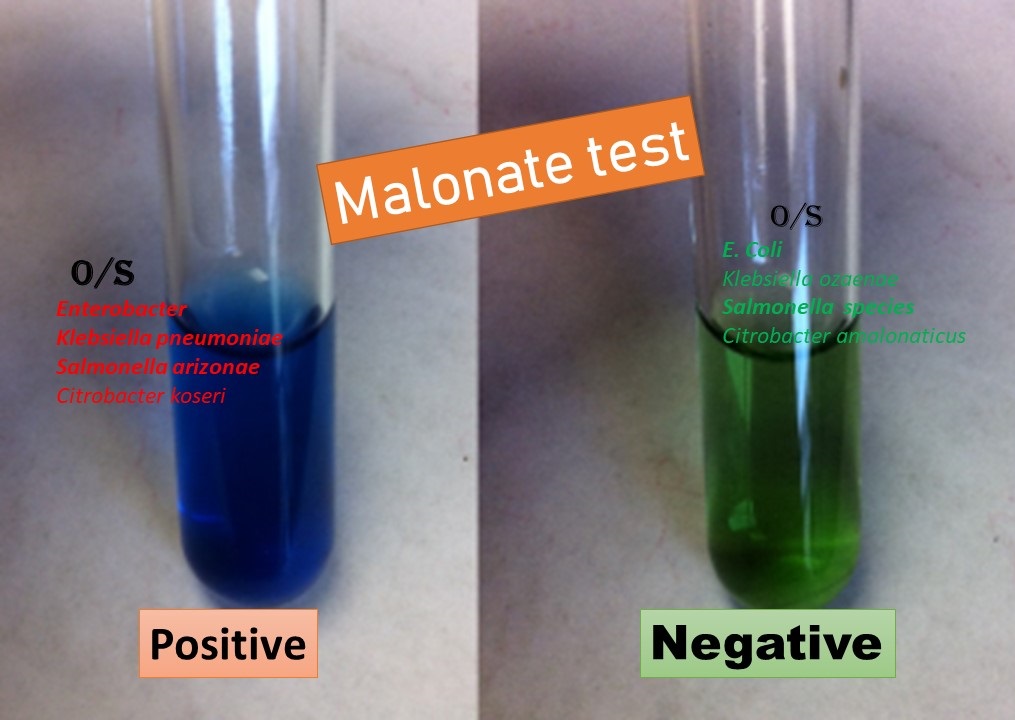
Malonate Test: Introduction, Composition of Medium, Principle, Procedure, Uses, Result-Interpretation, and Limitations

Malonate Test Positive and Negative bacteria

Introduction of Malonate Test Malonate test uses to check the ability of the organism to utilize malonate as the sole source of carbon for energy. To differentiate bacteria on the basis of a malonate utilization test. It is a colorful test to check the ability of …

Read more

Corn Meal Agar (CMA): Introduction, Composition, Principle, Test Requirements, Test Procedure, Result-Interpretation, Colony Characteristics, Uses, and Keynotes

Colony Morphology of Aspergillus flavus on cornmeal agar (CMA) demonstration

Introduction of Corn Meal Agar (CMA) Corn Meal Agar (CMA) is a well-established fungal medium that is a suitable substrate for chlamydospore production by Candida albicans and the maintenance of fungal stock cultures. This is a very simple formulation containing only cornmeal infusion and agar. The addition of glucose …

Read more

Nitrate or Nitrite Reduction Test: Introduction, Composition of Medium, Principle, Test Requirements, Procedure, Result -Interpretation, and Limitations

Nitrate or Nitrite Reduction Test

Introduction of Nitrate or Nitrite Reduction Test The nitrate or nitrite reduction test uses to determine the ability of an organism to reduce nitrate to nitrite. Anaerobic metabolism requires an electron acceptor other than atmospheric oxygen. Many gram-negative bacteria use nitrate as the final electron acceptor. The …

Read more