Raoultella: Introduction, Classification Morphology, Pathogenicity, Lab Diagnosis, Treatment, and Prevention

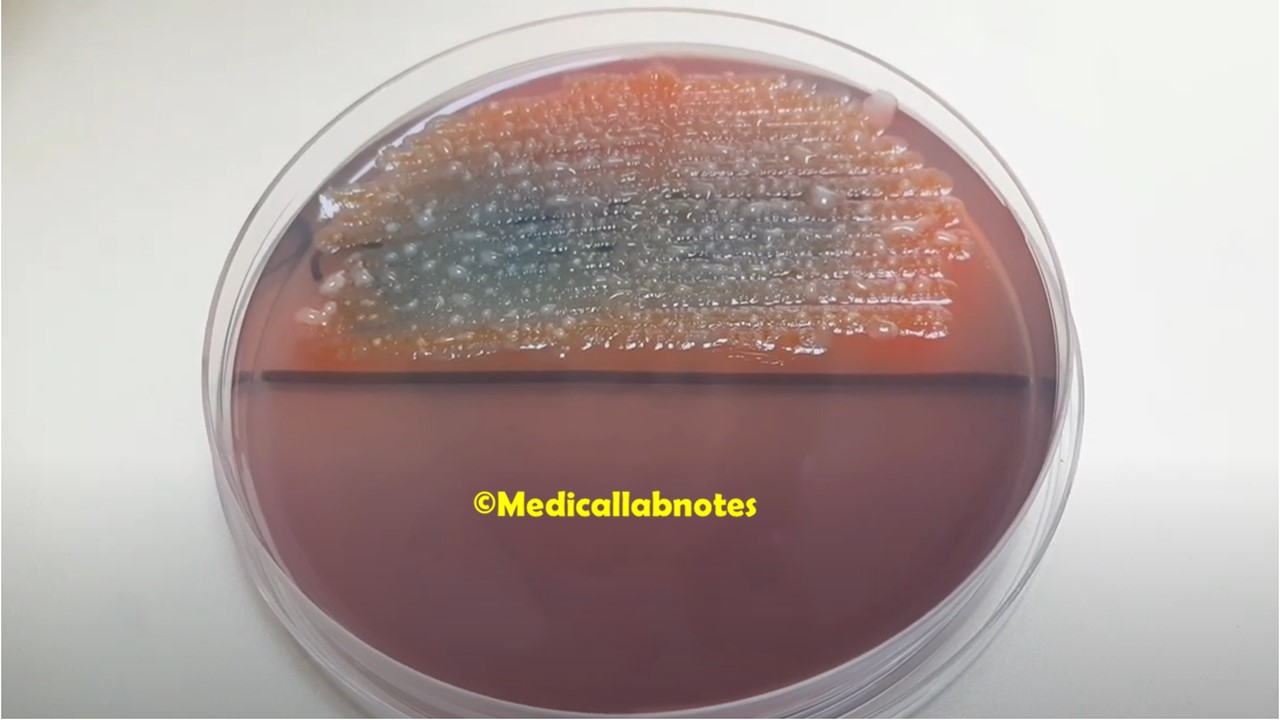
Raoultella ornithinolytica Colony Morphology on CLED agar of Urine Culture

Introduction Raoultella is a genus of gram-negative, non-motile, aerobic bacteria belonging to the Enterobacteriaceae family. The genus was named after Dr. Didier Raoult, a French microbiologist who made significant contributions to the study of Rickettsia. It was first described in 2001 as a distinct genus …

Read more

Pantoea: Introduction, Classification Morphology, Pathogenicity, Lab Diagnosis, Treatment, and Prevention

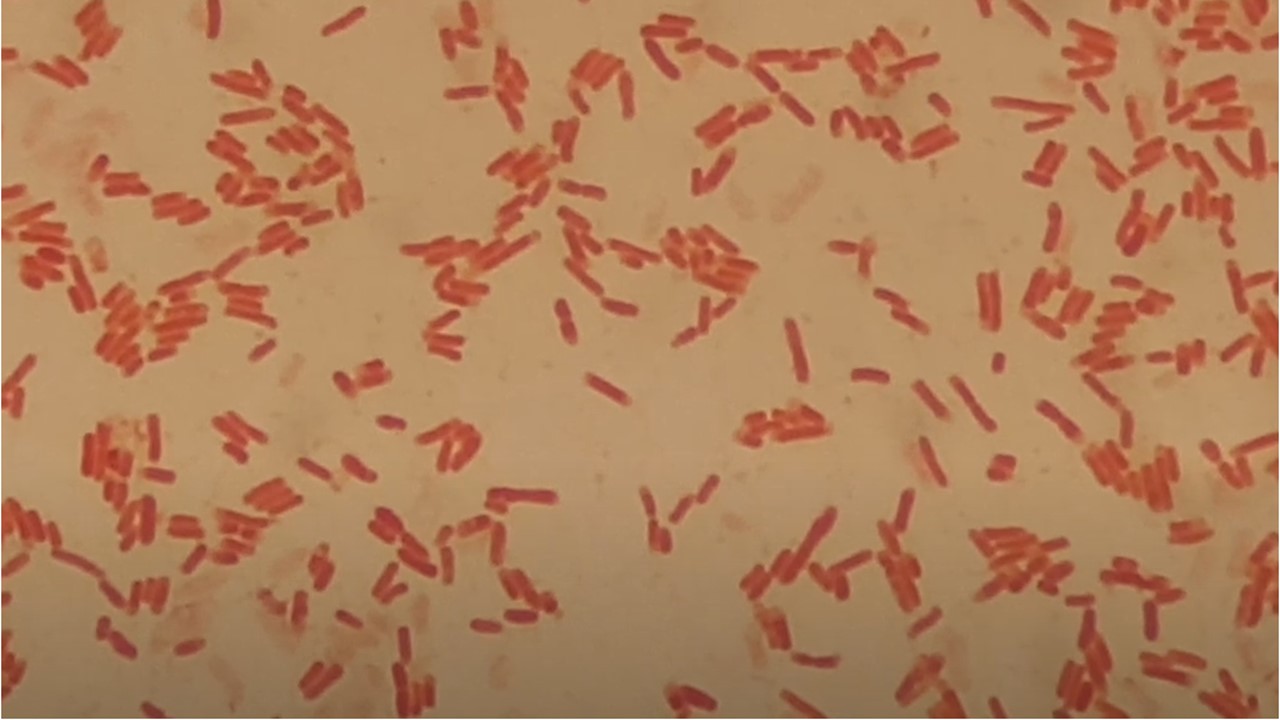
Pantoea in Gram Staining of Culture Microscopy at Magnification of 4000X

Introduction Pantoea is a genus of gram-negative bacteria that belong to the family Enterobacteriaceae. These bacteria are commonly found in soil, water, and plant surfaces, and some species are known to be associated with plants, animals, and humans as opportunistic pathogens. There are several species …

Read more

Medical Lab Tests: Introduction, Panel of Tests, and Keynotes

Introduction of Medical Lab Tests Medical lab tests are tests performed on samples of blood, urine, or other body fluids or tissues to help diagnose, treat, and monitor various medical conditions. These tests provide important information about the functioning of organs and body systems, identify …

Read more

Escherichia coli: Introduction, Pathogenic Strains and Preventive Measures

Escherichia coli in Gram Staining of Culture Microscopy at a Magnification of 4000X

Introduction of Escherichia coli Escherichia coli (E. coli) is a type of bacteria that is commonly found in the intestines of humans and animals. While most strains of E. coli are harmless, some can cause illness, such as urinary tract infections, gastrointestinal infections, and even …

Read more

Motility of Bacteria: Introduction, List of Motile and Non-motile Bacteria, Keynotes, and Related Videos

Introduction For Motility of Bacteria Bacteria are motile due to having flagella (singular -flagellum). Some common motile bacteria are E.coli, Salmonella, Proteus, Pseudomonas, Citrobacter, and Enterobacter while non-motile are Klebsiella, Shigella, and Acinetobacter. Motility Types of Different Microbes S.No Motility Types Microbes 1. Darting Motility …

Read more

Helicobacter pylori Antibody Test-Introduction, Principle, Test Requirement, Test Procedure, Result-Interpretations,Test Result, Test Method, and Keynotes

Helicobacter pylori Antibody Test-Test Device, pouch, diluent and run test step

Introduction of Helicobacter pylori Antibody Test The bacterium, Helicobacter pylori can invade our gut and infection due to this bacterium is one of the major causes of peptic ulcer. This happens when inflammation caused by H. pylori affects the mucus coating of stomach or duodenum, …

Read more

MR-VP Test: Introduction, Principle, Test Requirement, Procedure, Result- Interpretation, and Keynotes

Result and Interpretation of Voges Proskauer Test

Introduction of MR-VP Test MR-VP test stands for Methyl Red –Voges Proskauer Test. MR-VP test will be discussed in two tests separately. One is for Methyl Red (MR) test and while other is for Voges Proskauer (VP)test. Introduction of Methyl Red Test The Methyl Red test is …

Read more

Voges Proskauer Test: Introduction, Principle, Test Requirements, Test Procedure, Result-Interpretation, Positive and Negative Bacteria, and Limitations

Voges Proskauer Test Reagents, Negative and Positive Test Results of VP Tests

Voges-Proskauer (VP ) Test Voges Proskauer  test for identification to the species level of the following groups of organisms Principle of Voges Proskauer Test Organisms utilizing the butylene glycol pathway produce acetylmethylcarbinol (acetoin) and butanediol, neutral end products that raise the pH towards neutrality (pH …

Read more