Giardia- Introduction, Morphology, Life- Cycle, Pathogenicity, Lab Diagnosis, Treatment, Prevention, and Keynotes

Cysts of Giardia lamblia in iodine wet mount of feces microscopic examination

Introduction of Giardia Giardia is a genus of parasitic protozoa that can infect the small intestine of mammals, including humans. The species that infects humans is called Giardia lamblia or Giardia intestinalis. It is one of the most common causes of waterborne disease in the …

Read more

Pantoea: Introduction, Classification Morphology, Pathogenicity, Lab Diagnosis, Treatment, and Prevention

Pantoea in Gram Staining of Culture Microscopy at Magnification of 4000X

Introduction Pantoea is a genus of gram-negative bacteria that belong to the family Enterobacteriaceae. These bacteria are commonly found in soil, water, and plant surfaces, and some species are known to be associated with plants, animals, and humans as opportunistic pathogens. There are several species …

Read more

Pneumocystis: Introduction, Classification, Morphology, Pathogenicity Lab Diagnosis, Treatment, Prevention, and Keynotes

Introduction of Pneumocystis It is thought to be a protozoan, usually found in animals and occasionally in men, especially in newborns and young children. It causes typical pneumonia ( interstitial plasma cellular pneumonia) which is often fatal. The parasites appear as small round ‘ cysts’ …

Read more

Cryptosporidium: Introduction, Classification, Morphology, Pathogenicity Lab Diagnosis, Treatment, Prevention, and Keynotes

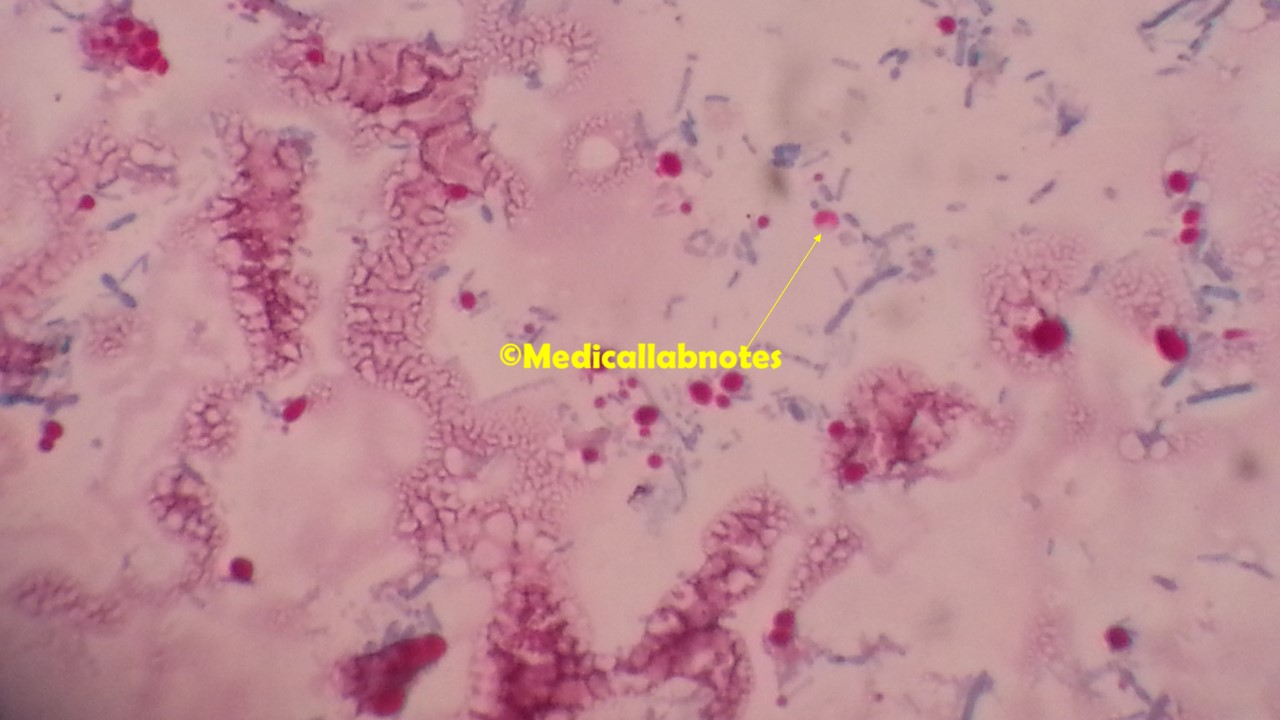
Oocyst of cryptosporidium parvum in Modified Kinyoun's acid-fast stain of stool microscopy

Introduction of Cryptosporidium Cryptosporidium is a coccidian parasite that causes diarrhea called Cryptosporidiosis. It was discovered by medical parasitologist, Ernest Edward in 1907. Human infection caused by Cryptosporidium parvum was seen in 1976. The clinically important species of this genus are C. parvum, C. mammals, …

Read more