Neisseria meningitidis:Introduction, Morphology, Pathogenicity, Lab Diagnosis, Treatment, Prevention, and Keynotes

Introduction Neisseria meningitidis, commonly known as meningococcus, is a Gram-negative bacterium that is a leading cause of meningitis and septicemia (blood poisoning) worldwide. Meningitis is an infection that affects the meninges, which are the protective membranes surrounding the brain and spinal cord. N.meningitidis can also …

Read more

Extended Spectrum Beta-Lactamase (ESBL): Introduction, List of Bacteria, Pathogenicity, Symptoms, Lab Diagnosis, Treatment, Prevention, and Keynotes

Extended spectrum beta lactamase (ESBL) detection using Double-Disc Synergy Test (DDST)

Introduction ESBL stands for Extended-Spectrum Beta-Lactamase. It refers to a group of enzymes produced by certain types of bacteria that can break down and inactivate a broad range of antibiotics called beta-lactams. Beta-lactams include commonly used antibiotics like penicillins, cephalosporins, and carbapenems. ESBL-producing bacteria are …

Read more

Methicillin-resistant Staphylococcus aureus (MRSA): Introduction, Morphology, Pathogenicity, Symptoms, Lab Diagnosis, Treatment, Prevention, and Keynotes

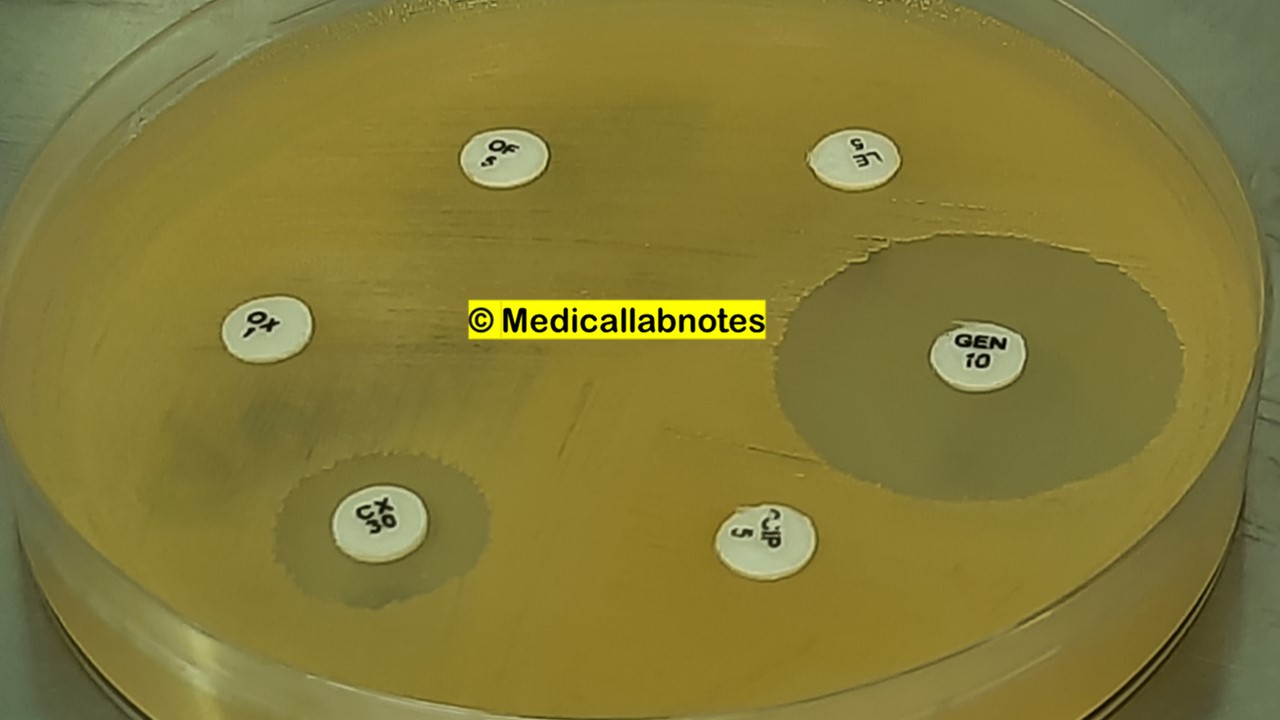
Nasal Methicillin-resistant Staphylococcus aureus (MRSA) Carriage expressing Cefoxitin and Oxacillin Resistance on Muller-Hinton agar (MHA)

Introduction Methicillin-resistant Staphylococcus aureus, commonly known as MRSA, is a type of bacteria that has developed resistance to multiple antibiotics, including methicillin and other beta-lactam antibiotics like penicillin and cephalosporins. Staphylococcus aureus is a bacterium that can naturally colonize the skin and mucous membranes of …

Read more