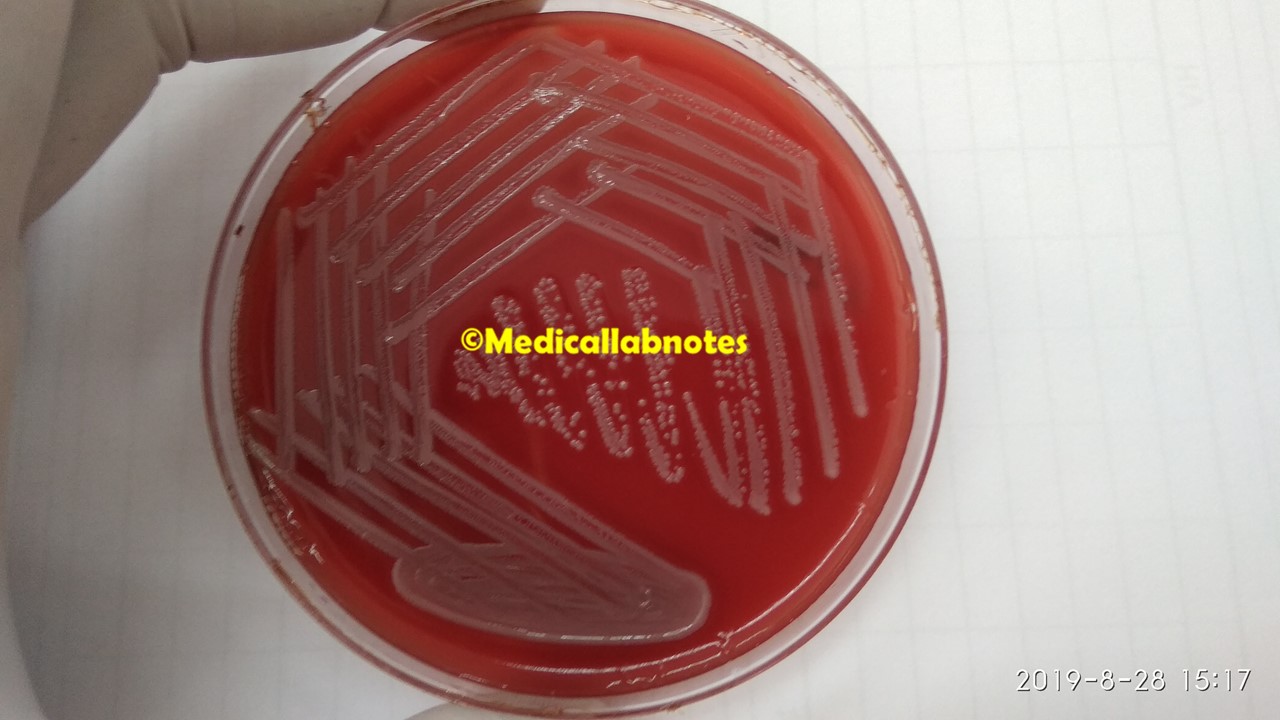
Sputum Culture and Sensitivity: Introduction, Report, Clinical Significance, Common Pathogens, and Keynotes
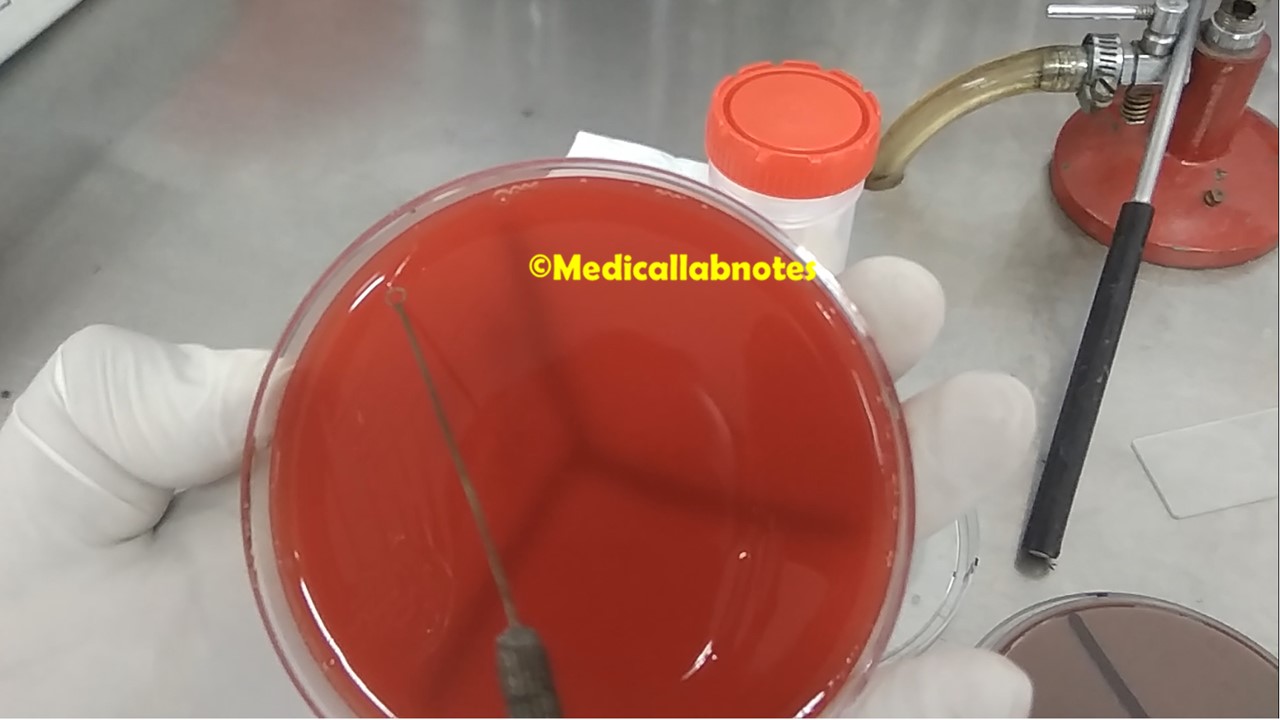
A step of sample inoculation on blood agar for Sputum Culture and Sensitivity

Introduction Sputum culture and sensitivity is a medical laboratory test used to identify and determine the susceptibility of bacteria or other microorganisms present in a patient’s sputum, a mixture of saliva and mucus coughed up from the respiratory tract. This diagnostic test is crucial in …

Read more

Pus Culture and Sensitivity: Introduction, Report, Clinical Significance, Common Pathogens, and Keynotes

Introduction Pus culture and sensitivity is a diagnostic test commonly performed in medical settings to identify and analyze the microorganisms present in a wound, abscess, or other sources of pus. Pus is a thick, yellowish or greenish fluid that accumulates at the site of infection …

Read more

Trichomonas vaginalis: Introduction, Morphology, Pathogenicity, Lab Diagnosis, Treatment, Prevention, and Keynotes

Introduction Trichomonas vaginalis is a parasitic protozoan that causes the sexually transmitted infection (STI) known as trichomoniasis. This unicellular organism primarily infects the urogenital tract in both men and women. Trichomoniasis is one of the most common curable STIs worldwide. Here are some key points …

Read more

High Vaginal Swab (HVS) Culture and Sensitivity: Introduction, Report, Clinical Significance, Common Pathogens, and Keynotes

Introduction High Vaginal Swab (HVS) Culture and Sensitivity is a diagnostic test used to identify and analyze the microorganisms present in the vaginal region. It is an important tool in gynecology and obstetrics to diagnose and manage various vaginal infections, such as bacterial vaginosis, yeast …

Read more

Streptococcus agalactiae: Introduction, Morphology, Pathogenicity, Lab Diagnosis, Treatment, Prevention, and Keynotes

Beta-haemolytic colony of Streptococcus agalactiae on 5% sheep blood agar of clinical specimen, High Vaginal Swab (HVS)

Introduction Streptococcus agalactiae, commonly known as Group B Streptococcus (GBS), is a Gram-positive bacterium belonging to the Streptococcaceae family. It is a significant human pathogen known for causing various infections in both adults and newborns. The bacterium is typically found as a part of the …

Read more

Urine Culture and Sensitivity: Introduction, Report, Clinical Significance, Common Pathogens, and Keynotes

Urine routine examination showing numerous pus cells and bacteria -urinary tract infection (UTI) due to bacteria

Introduction Urine culture and sensitivity is a medical diagnostic test used to identify and quantify the microorganisms present in a urine sample and determine their sensitivity to various antibiotics. It is a crucial procedure in diagnosing urinary tract infections (UTIs) and guiding appropriate treatment. Here’s …

Read more

Streptococcus pyogenes: Introduction, Morphology, Pathogenicity, Lab Diagnosis, Treatment, Prevention, and Keynotes

Streptococcus pyogenes colony morphology on blood agar

Introduction Streptococcus pyogenes, also known as Group A Streptococcus (GAS), is a gram-positive, spherical bacterium that belongs to the Streptococcaceae family. It is one of the most common and important human pathogens, responsible for a wide range of infections in humans. This bacterium is typically …

Read more

Chlamydia trachomatis: Introduction, Morphology, Pathogenicity, Lab Diagnosis, Treatment, Prevention, and Keynotes

Introduction Chlamydia trachomatis is a gram-negative bacterium and is an important human pathogen known for causing several diseases. It is an obligate intracellular bacterium, meaning it can only survive and reproduce inside host cells. C. trachomatis primarily infects epithelial cells of the mucous membranes in …

Read more