Mobiluncus: Introduction, Morphology, Pathogenicity, Lab Diagnosis, Treatment, Prevention, and Keynotes

Introduction Mobiluncus is a type of bacteria that can be found in the human vaginal microbiota. It is known for its association with bacterial vaginosis (BV), a common vaginal infection characterized by an imbalance in the vaginal microbiota. BV is not caused by a single …

Read more

Malarial Antigen Test-Introduction, Test Result, Test Method, Clinical Significance, and Keynotes

Malarial Antigen Test-Introduction, Test Result, Unit, Normal Range, Test Method, Clinical Significance, and Keynotes

Introduction The Malarial Antigen Test, often referred to as the Malaria Rapid Diagnostic Test (RDT) or Malaria Antigen Rapid Test, is a diagnostic tool used to detect the presence of malaria parasites in a patient’s blood. Malaria is a serious and sometimes life-threatening infectious disease …

Read more

Hepatitis B surface antigen (HBsAg) Test-Introduction, Test Result, Test Method, Clinical Significance, and Keynotes

Hepatitis B surface antigen (HBsAg) Test-Introduction, Test Result, Unit, Normal Range, Test Method, Clinical Significance, and Keynotes

Introduction The Hepatitis B Surface Antigen (HBsAg) test is a crucial diagnostic tool used in the field of clinical laboratory medicine to detect the presence of the Hepatitis B virus (HBV) in an individual’s bloodstream. Hepatitis B is a viral infection that primarily affects the …

Read more

Cladosporium: Introduction, Morphology, Pathogenicity, Lab Diagnosis, Treatment, Prevention, and Keynotes

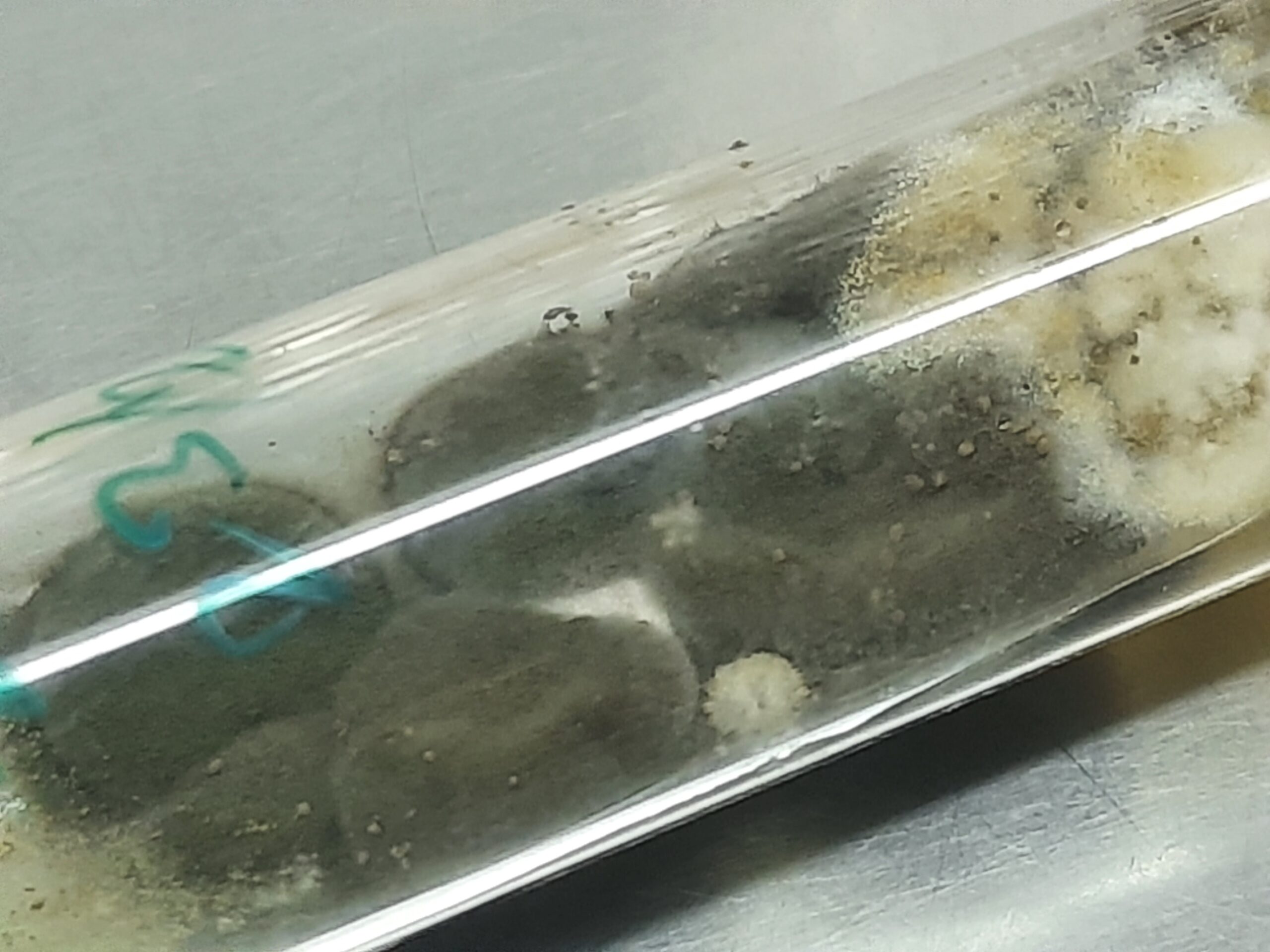
Cladosporium on Sabouraud Dextrose Agar (SDA) forms velvety, olive-green to blackish-green colonies with a dark reverse

Introduction Cladosporium is a genus of fungi that belongs to the phylum Ascomycota. It is a diverse and widespread group of molds that can be found in various environments, including soil, plants, decaying organic matter, and indoor spaces. Cladosporium species are known for their ability …

Read more

Allergy Screening Assay-Introduction, Test Result, Unit, Normal Range, Test Method, Clinical Significance, and Keynotes

Allergy Screening Assay-Introduction, Test Result, Unit, Normal Range, Test Method, Clinical Significance, and Keynotes

Introduction An Allergy Screening Assay is a diagnostic test designed to identify specific allergens that trigger allergic reactions in individuals. Allergies are abnormal immune responses to substances that are usually harmless to most people. These substances, known as allergens, can include pollen, dust mites, pet …

Read more

Procalcitonin (PCT) Test-Introduction, Test Result, Unit, Normal Range, Test Method, Clinical Significance, and Keynotes

Procalcitonin (PCT) Test-Introduction, Test Result, Unit, Normal Range, Test Method, Clinical Significance, and Keynotes

Introduction The Procalcitonin (PCT) test is a medical diagnostic test used to measure the levels of procalcitonin in the blood. Procalcitonin is a precursor protein to the hormone calcitonin, which is primarily involved in regulating calcium metabolism. However, procalcitonin itself is not a hormone; rather, …

Read more

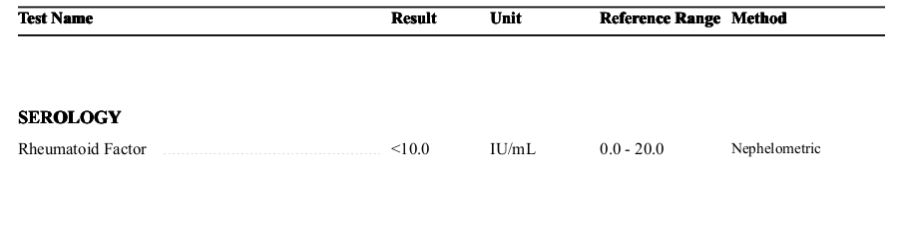
Rheumatoid Factor (RF) Test-Introduction, Test Result, Unit, Normal Range, Test Method, Clinical Significance, and Keynotes

Rheumatoid Factor (RF) Test-Introduction, Test Result, Unit, Normal Range, Test Method, Clinical Significance, and Keynotes

Introduction The Rheumatoid Factor (RF) test is a medical diagnostic test used to detect the presence of an antibody called rheumatoid factor in the blood. This antibody is commonly found in the blood of individuals who have rheumatoid arthritis (RA), an autoimmune disorder that primarily …

Read more

Stenotrophomonas maltophilia: Introduction, Morphology, Pathogenicity, Lab Diagnosis, Treatment, Prevention, and Keynotes

Mucoid lactose fermenting (MLF) colony of Klebsiella pneumoniae and non-lactose fermenting (NLF) colony of Stenotrophomonas maltophilia on MacConkey medium of clinical specimen-sputum culture

Introduction Stenotrophomonas maltophilia is a Gram-negative bacterium that belongs to the class Gammaproteobacteria. It is an opportunistic pathogen known for its ability to cause infections, particularly in individuals with compromised immune systems or underlying health conditions. The bacterium was initially considered to be of low …

Read more