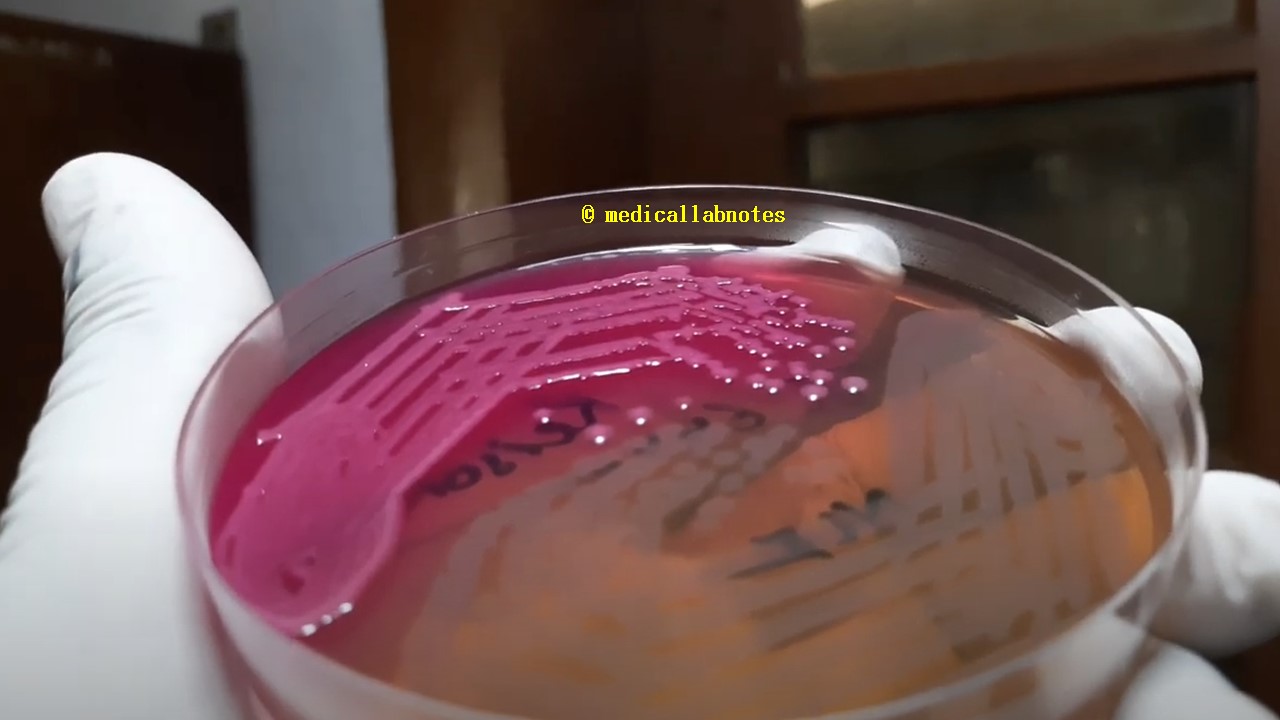
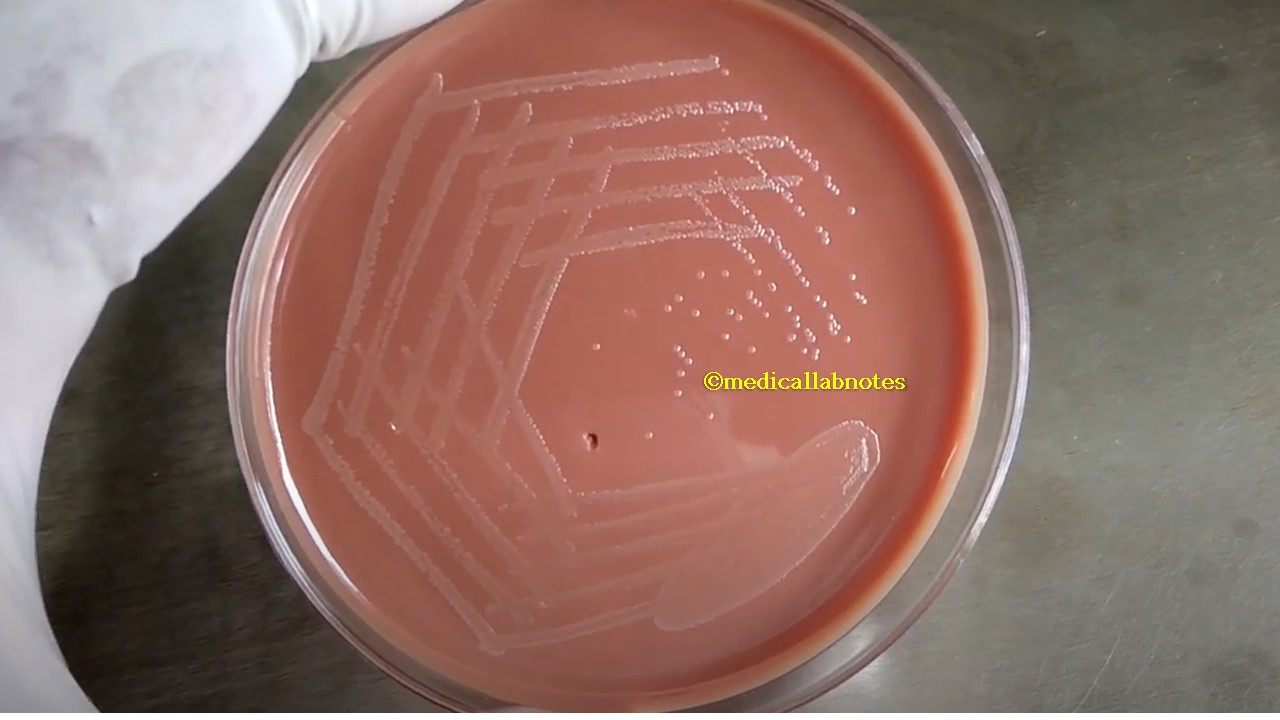
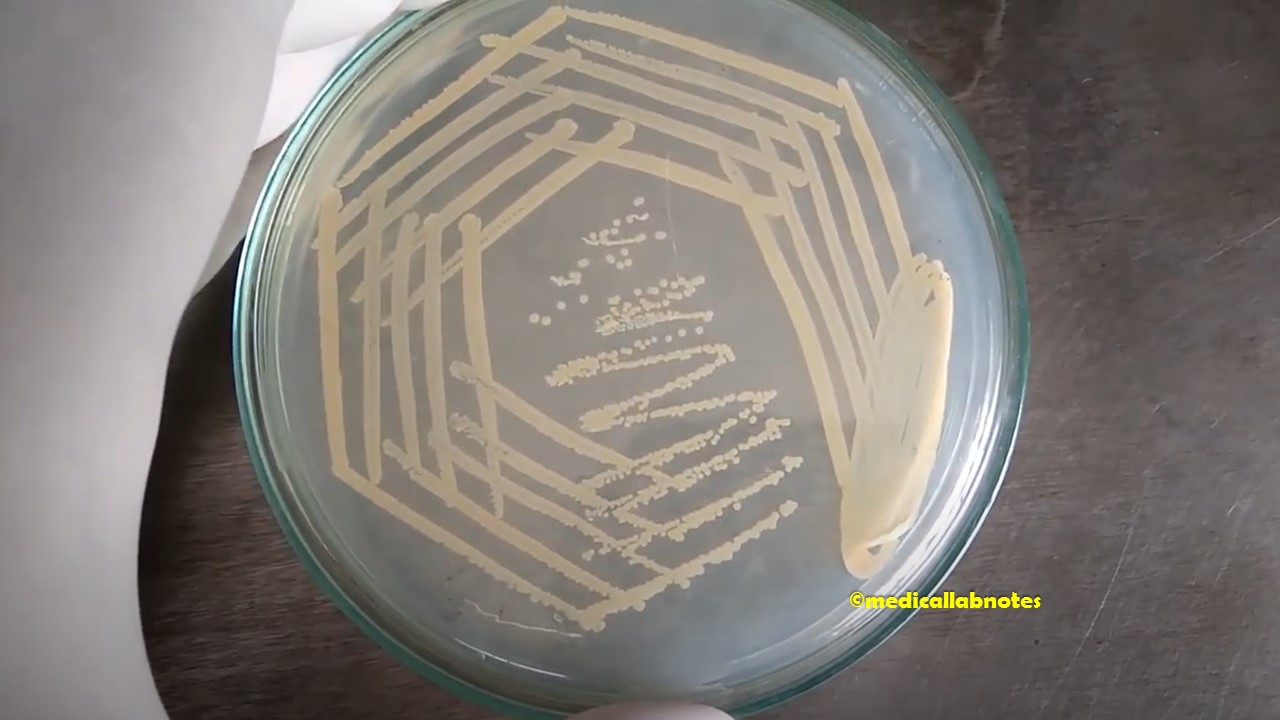
Vibrio cholerae: Introduction, Identification Features, Keynotes, and Vibrio Footages

Vibrio cholerae: Introduction, Identification Features, Keynotes, and Vibrio Footages

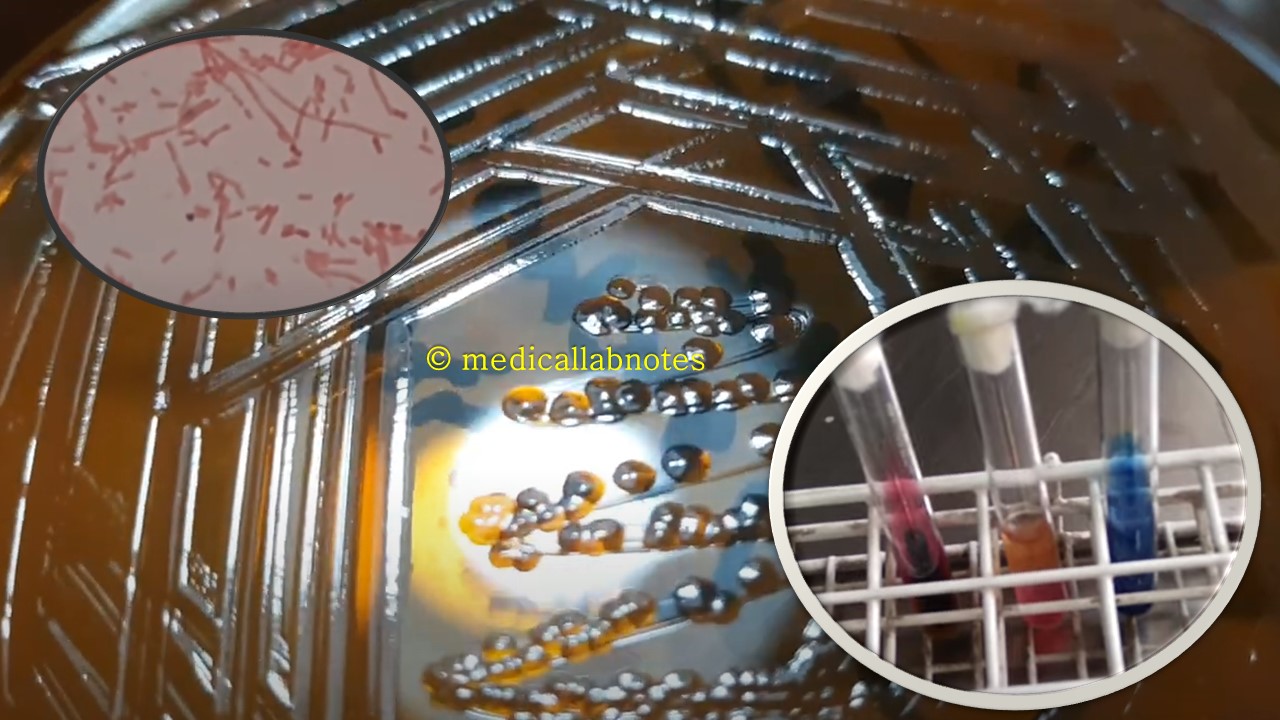
Introduction The genus, Vibrio is a member of the family, Vibrionaceae and the most common human pathogens are Vibrio cholerae, V. parahaemolyticus, and V. vulnificus. Vibrio cholerae is a species of Gram-negative, motile, non-sporing, and non-capsulated, facultative anaerobe and comma-shaped bacterium. It is a ubiquitous …
Read more

Proteus mirabilis: Introduction, Identification Features, Keynotes, and Proteus Footages

Proteus mirabilis-Introduction, Identification Features, Keynotes, and Proteus Footages

Introduction of Proteus mirabilis The genus Proteus was discovered in 1885 by Hauser and it is also named after a Greek god.  Proteus is a member of the family, Enterobacteriaceae and it is a Gram-negative, oxidase-negative, fimbriated, motile, non-sporing rod-shaped bacterium without capsule and having a size …

Read more

Bile Esculin Test: Introduction, Principle, Test Requirements, Procedure, Result Interpretation, Uses, Limitation, Keynotes, and Related Footages

Bile Esculin Test: Introduction, Principle, Test Requirements, Procedure, Result Interpretation, Uses, Limitation, Keynotes, and Related Footages

Introduction of Bile Esculin test Bile esculin test is widely used to differentiate Enterococci from streptococci, other than streptococcus bovis as well as Yersinia enterocolitica from food and animal feeding stuff and Listeria monocytogenes which are bile tolerant and can hydrolyze esculin to esculetin, it reacts …

Read more

Lactose Fermenter (LF) and Non-Lactose Fermenter (NLF) Gram-Negative Bacteria: Introduction, List of LF and NLF Bacteria, and Keynotes

LF and NLF Colonies of Klebsiella and Pseudomonas on MacConkey medium

Introduction of LF and NLF Gram-Negative Bacteria on MacConkey Medium MacConkey agar/ medium is recommended for use as a selective, differential, and indicator growth medium for the isolation of gram-negative bacilli including coliform organisms and enteric pathogens, on the basis of lactose fermentation. Peptones (meat …

Read more

Mueller-Hinton agar (MHA): Introduction, Composition, Principle, Preparation Requirements, Testing Procedure, Colony Characteristics, Uses, Keynotes, and MHA Footages

Mueller-Hinton agar (MHA): Introduction, Composition, Principle, Preparation Requirements, Testing Procedure, Colony Characteristics, Uses, Keynotes, and MHA Footages

History and Introduction of Mueller-Hinton Agar (MHA) The name Mueller- Hinton agar(MHA) is from the surname of co-developers microbiologist John Howard Mueller and veterinary scientist Jane Hilton at Harvard University as a culture for gonococcus and meningococcus, who published the method in 1941. It is a non-selective and non-differential …

Read more

Chocolate Agar: Introduction, Composition, Principle, Preparation Requirements, Testing Procedure, Colony Characteristics, Uses, Keynotes, and Chocolate Agar Footages

Chocolate Agar: Introduction,Composition, Principle, Preparation Requirements,Testing Procedure, Colony Characteristics, Uses, Keynotes and Chocolate Agar Footages

Introduction of Chocolate agar  Chocolate Agar short form is (CHOC). It is a non-selective, enriched growth medium that is the lysed blood agar. The agar is named for its color when the red blood cells (RBCs) lysis gives the medium a chocolate-brown color without having chocolate …

Read more

Blood Agar: Introduction, Composition, Principle, Preparation Requirements, Test Procedure, Result -Interpretation, Uses, Keynotes, and Blood Agar Footages

Blood Agar- Introduction, Composition, Principle, Preparation Requirements, Test Procedure, Result -Interpretation, Uses, Keynotes and Blood Agar Footages

Introduction of Blood Agar Blood agar is an enriched medium for the cultivation of bacteria. Fastidious organisms, such as streptococci, do not grow well on ordinary growth media. It is a type of growth medium i.e. trypticase soy agar enriched with 5% sheep blood or blood agar base with 5-10 % sterile …

Read more

Nutrient Agar: Introduction, Composition, Test Requirements for Preparation, Test Procedure, Colony Characteristics, Uses, and Nutrient Agar Footages

Staphylococcus aureus golden yellow colony on nutrient agar

Introduction of Nutrient Agar Nutrient agar is a simple medium which uses to grow bacteria. It is devoid of indicators, selective agents, differential ingredients, and enriching substances therefore uses for better expression of pigmentation, biochemical test, and even serotyping. The short form of nutrient agar …

Read more