Clinical Laboratory Gallery: Introduction, Contents, and Brief Description of Photos
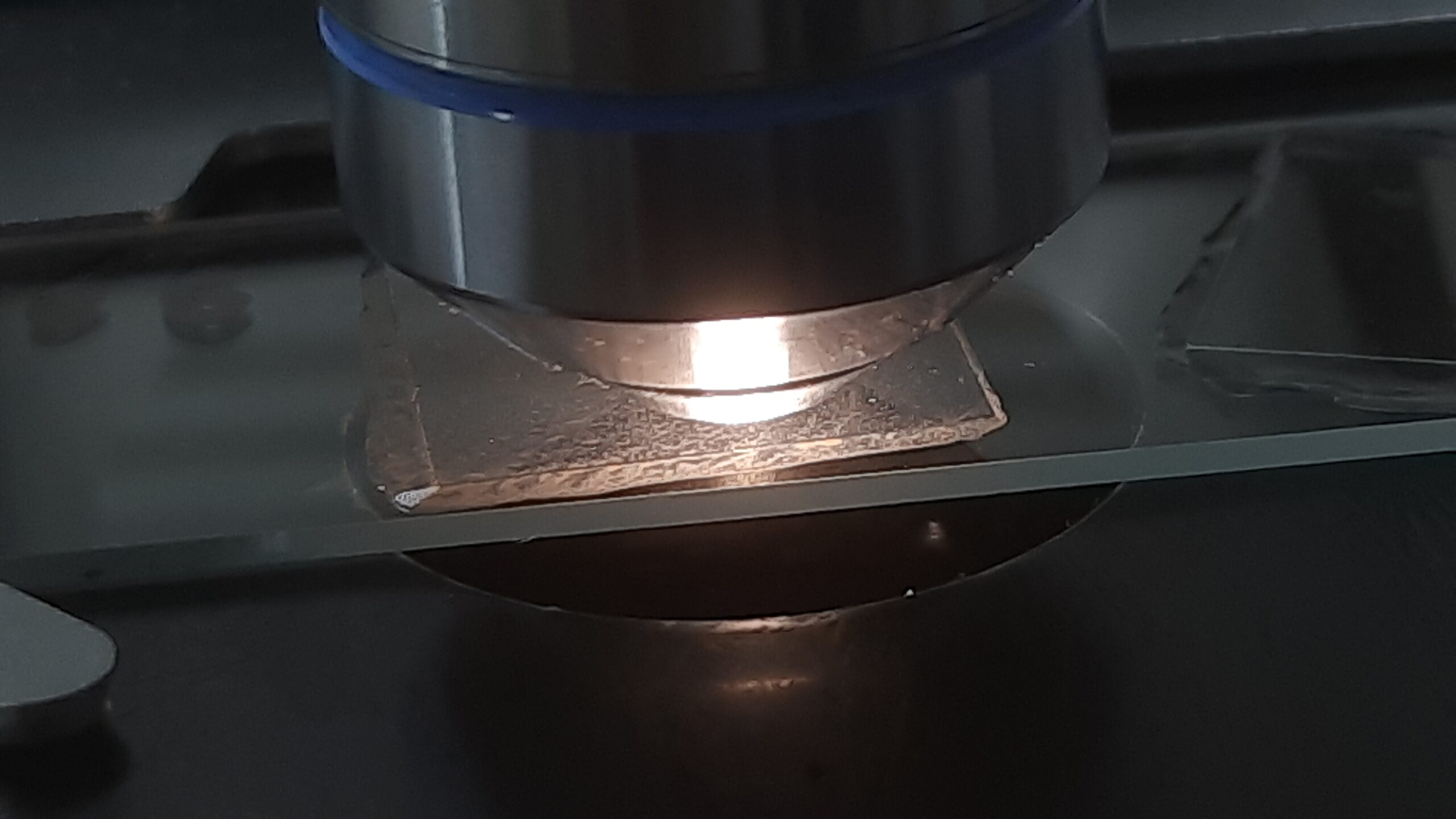
Wet Mount Microscopy-Ready slide for observation

Introduction ‘Clinical Laboratory Gallery’ is a collection of genuine photos regarding stream of Clinical Laboratory like Stool and Urine Section (SUS), Phlebotomy, Clinical Haematology, Clinical Biochemistry, Blood Banking and Transfusion medicine, Microbiology and Immunology, Cytology and Histopathology, and Molecular Biology. Contents Collection of images are …

Read more

Insulin Test-Introduction, Test Result, Unit, Normal Range, Test Method, Clinical Significance, and Keynotes

Insulin-Introduction, Test Result, Unit, Normal Range, Test Method, Clinical Significance, and Keynotes

Introduction An insulin test is a medical procedure used to measure the level of insulin in a person’s blood. Insulin is a hormone produced by the pancreas, a gland located behind the stomach. It plays a crucial role in regulating blood sugar (glucose) levels and …

Read more

Skin and Soft Tissue Infections: Introduction, Types, Signs and Symptoms, Common Pathogens, Laboratory Diagnosis, Treatment, Prevention and Control, and Keynotes

Introduction Skin and soft tissue infections (SSTIs) encompass a broad range of infections that affect the skin, underlying connective tissues, and sometimes even the muscles. These infections can be caused by various types of bacteria, viruses, fungi, and parasites, and they can occur in individuals …

Read more

Otitis Media: Introduction, Types, Signs and Symptoms, Common Pathogens, Laboratory Diagnosis, Treatment, Prevention and Control, and Keynotes

Introduction Otitis media is a medical term used to describe inflammation and infection of the middle ear. The middle ear is the space behind the eardrum that contains the small bones responsible for transmitting sound vibrations to the inner ear. It is a common condition, …

Read more

Darkfield Microscope: Introduction, Principle, Parts, Uses, Care and Maintenance, and Keynotes

Introduction A darkfield microscope is a specialized optical instrument used in microscopy to visualize transparent specimens that are otherwise difficult to see using traditional brightfield illumination. It operates on the principle of illuminating the sample with oblique or angled light, causing the specimen to appear …

Read more

Influenza Viruses: Introduction, Morphology, Pathogenicity, Lab Diagnosis, Treatment, Prevention, and Keynotes

Introduction Influenza viruses, commonly known as the flu viruses, are a group of RNA viruses belonging to the Orthomyxoviridae family. These viruses are responsible for causing influenza, a highly contagious respiratory illness that affects humans, birds, and some other animals. Influenza viruses are known for …

Read more

Food Poisoning:  Introduction, Types, Signs and Symptoms, Common Pathogens, Laboratory Diagnosis, Treatment, Prevention and Control, and Keynotes

Introduction Food poisoning, also known as foodborne illness, is a widespread and potentially serious public health concern that occurs when individuals consume contaminated or spoiled food. It is caused by the ingestion of harmful microorganisms such as bacteria, viruses, parasites, or their toxins, which can …

Read more

Stool Routine Examination: Introduction, Common Test, Test Report, Clinical Significance, and Keynotes

A step of Stool Routine Examination procedure

Introduction Stool routine examination, also known as a fecal routine or stool analysis, is a common medical test used to assess the health and functioning of the gastrointestinal tract. It involves the collection and analysis of a stool sample to provide valuable insights into various …

Read more