LAP (Leucine Aminopeptidase) Test: Introduction, Principle, Test Requirements, Procedure, Result -Interpretation, and Limitations

 LAP (Leucine Aminopeptidase) Test-Positive and Negative Bacteria

Introduction of LAP (Leucine Aminopeptidase) Test LAP stands for leucine aminopeptidase which is an enzyme useful for definitive identification of catalase-negative, gram-positive cocci of Aerococcus and Leuconostoc (LAP test negative) from other organisms in the group like  Streptococcus, Enterococcus, Lactococcus, and Pediococcus (almost always positive). Principle of LAP test Hydrolysis of the leucine-pnaphthylamide substrate by …
Read more

Microbiology Reporting Methods: Introduction, List of Templates, and Keynotes

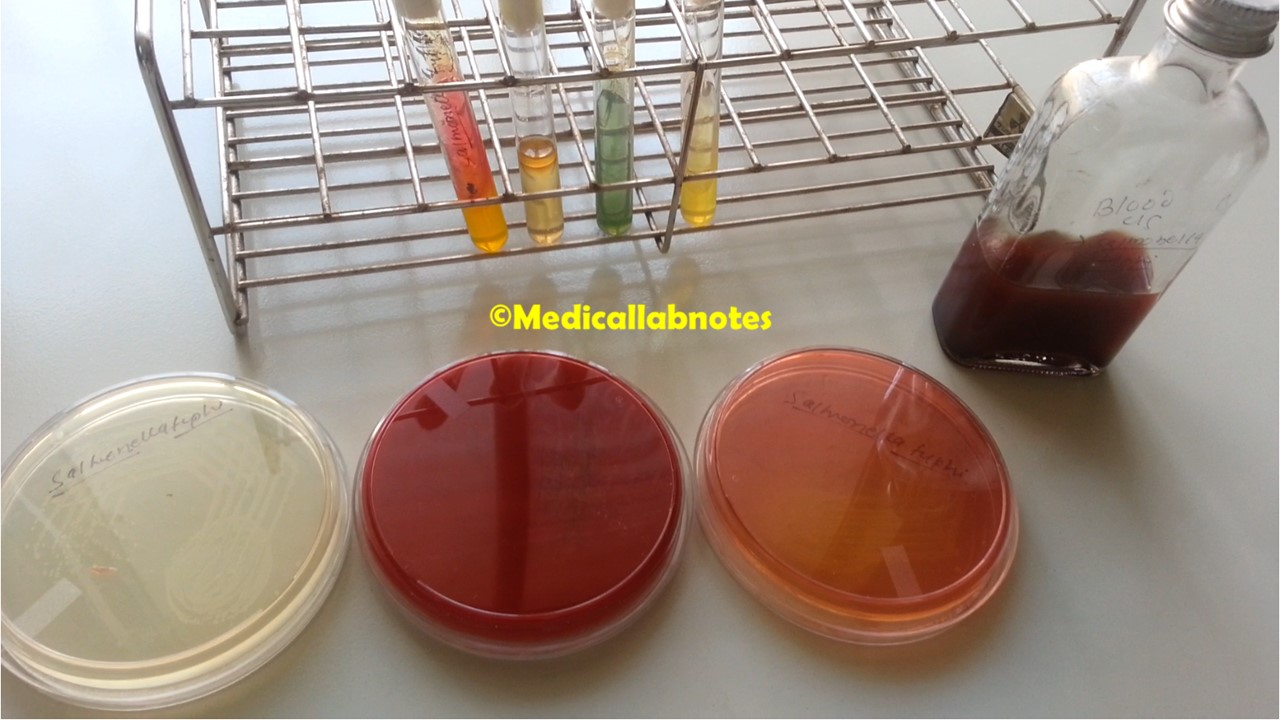
Salmonella Typhi isolated from blood culture-Growth on Nutrient agar, blood agar and MacConkey medium, Biochemical reactions in TSI, SIM,Citrate and Urea agar, and growth on broth medium (blood culture bottle)-demonstration

Introduction of Microbiology Reporting Methods Microbiology Reporting Methods are useful to provide similar report formats from different Microbiology Laboratory platforms that should sound Microbiologically clear and concise. It should also be compatible with International Guidelines of Clinical Microbiology Practice like the Clinical & Laboratory Standards …

Read more

Microbial Diagnostic Disks: Introduction, List of Disks, Uses, and Related Footages

Optochin Susceptibility Test

Introduction of Microbial Diagnostic Disks Microbial Diagnostic Disks make it easy to presumptive identification of organisms. They are simple and easy to handle for the identification of bacteria in the Clinical Microbiology Laboratory. Some common examples of such disks are optochin, oxidase, and bacitracin. List …

Read more

Gram Negative Bacteria Biochemical Test: Table, Introduction, Common Tests with Short Description, List of Organisms, and Related Pictures

Biochemical Test of Common Gram Negative Bacteria

Common Gram Negative Bacteria Biochemical Test Table Introduction of Gram-Negative Bacteria Biochemical Test ‘Common Gram Negative Bacteria Biochemical Test’ is a genuine puny collection of clinically relevant bacteria isolated in the clinical bacteriology laboratory by the creator and those etiological agents captured in his camera …

Read more

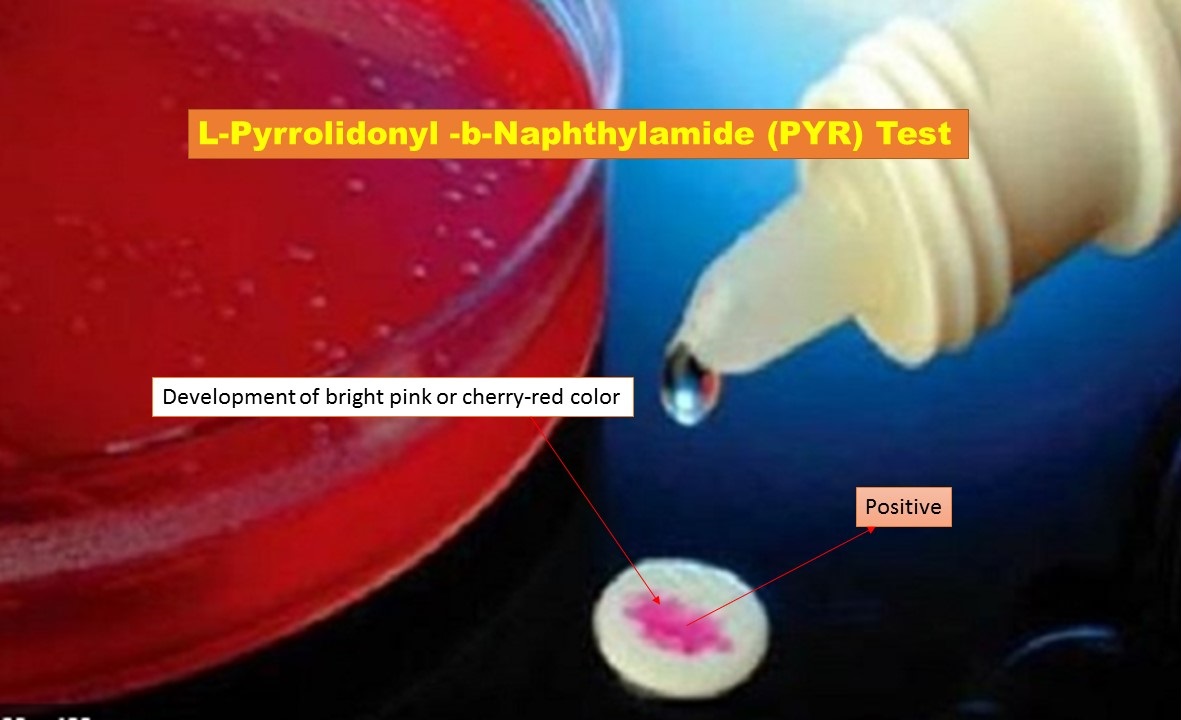
L-pyrrolidinyl-β-naphthylamide (PYR) Test: Introduction, Principle, Test Requirements, Procedure, Result-Interpretations, and Limitations

L-pyrrolidinyl-β-naphthylamide (PYR) Test-Positive

Introduction of L-pyrrolidinyl-β-naphthylamide (PYR) Test L-pyrrolidinyl-β-naphthylamide (PYR) test uses to identify the capability of organisms utilizing substrate, PYR by L-pyrroglutamyl amino-peptidase. Application of this test are as follows: Principle of L-pyrrolidinyl-β-naphthylamide (PYR) Test L-pyrrolidinyl-β-naphthylamide (PYR) acts as a substrate for the detection of the enzyme …

Read more

API Test for Bacteria: Introduction, Principle, Test Requirements, Test Procedure, Result- Interpretation, Advantages, and Keynotes

API Test - Bacteria, Strip, Reagents, Reading Sheet and Log Book

Introduction of API Test for Bacteria API test for bacteria as shown above picture is a 20-jumbo tests kit for a biochemical panel for the identification and differentiation of members of the family Enterobacteriaceae.  API stands for Analytical Profile Index. It is an API 20E Test kit …

Read more

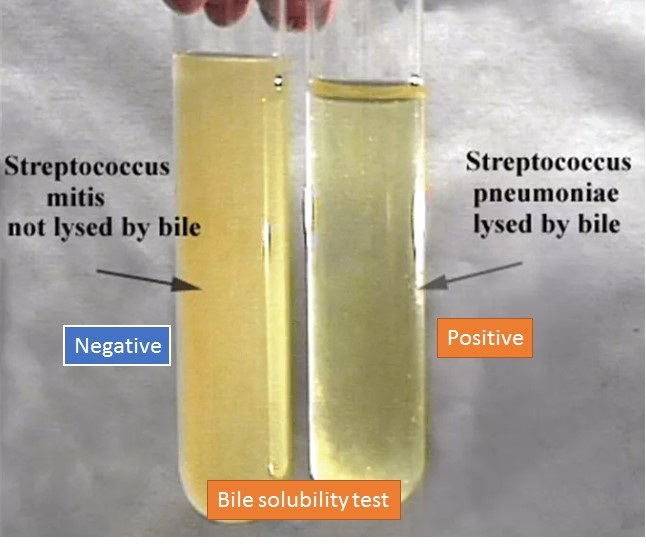
Bile Solubility Test: Introduction, Principle, Test Requirements, Procedure, Result-Interpretation, and Keynotes

Bile Solubility Test- Positive and Negative

Introduction of Bile Solubility Test Bile solubility test uses for presumptive identification of Streptococcus pneumoniae. Principle of Bile Solubility Test Bile salts, specifically sodium deoxycholate and sodium taurocholate, have the capacity to selectively lyse Streptococcus pneumoniae when added to actively growing bacteria in agar or broth media. S. pneumoniae produces autolytic …

Read more

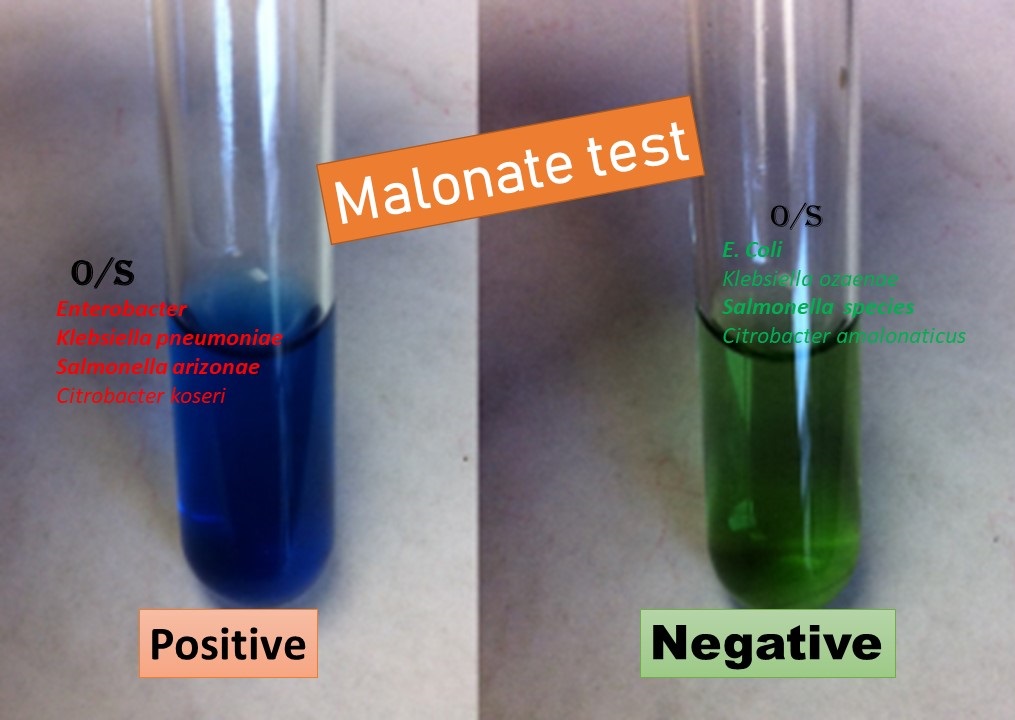
Malonate Test: Introduction, Composition of Medium, Principle, Procedure, Uses, Result-Interpretation, and Limitations

Malonate Test Positive and Negative bacteria

Introduction of Malonate Test Malonate test uses to check the ability of the organism to utilize malonate as the sole source of carbon for energy. To differentiate bacteria on the basis of a malonate utilization test. It is a colorful test to check the ability of …

Read more