LAMP and PCR: Introduction, Differences, and Keynotes

LAMP vs PCR: Introduction, Differences, and Keynotes

Introduction LAMP stands for Loop-mediated Isothermal Amplification while PCR full form is polymerase chain reaction and LAMP is the nucleic acid amplification assay. The lamp is a newer technique whereas PCR is older. The LAMP is comparatively more efficient and cost-effective than PCR testing. Differences …

Read more

Antigen Versus PCR for SARS-CoV-2: Introduction, Principle, Differences, and Keynotes

Abbott sars-cov-2 antigen test

Introduction of Antigen Versus PCR for SARS-CoV-2 Antigen and PCR tests in COVID-19 patients are the most common assays applicable for laboratory diagnosis of COVID-19 caused by a virus, severe acute respiratory syndrome coronavirus 2 (SARS‑CoV‑2). The antigen is a foreign substance that induces an …

Read more

Simmons and Koser’s citrate: Introduction, Differences, and Keynotes

Citrate positive bacteria (blue), negative (no color change)

Introduction of Simmons and Koser’s citrate Simmons citrate medium is a solid medium due to having agar. It is also an indicator medium due to the presence of phenol red. To say test positive, there should be growth and color change of the medium. Koser’s …

Read more

Transudates and Exudates: Introduction, Differences between them, and Keynotes

Transudates and Exudates: Introduction and Differences between them

Introduction of Transudates and Exudates Transuadtes are serous cavities fluids that accumulate as a result of non-inflammatory mechanisms while exudates are serous cavities and tissue fluids which accumulate due to inflammatory processes. Differences between Transudates and Exudates The Differences between transudates and exudates are as …

Read more

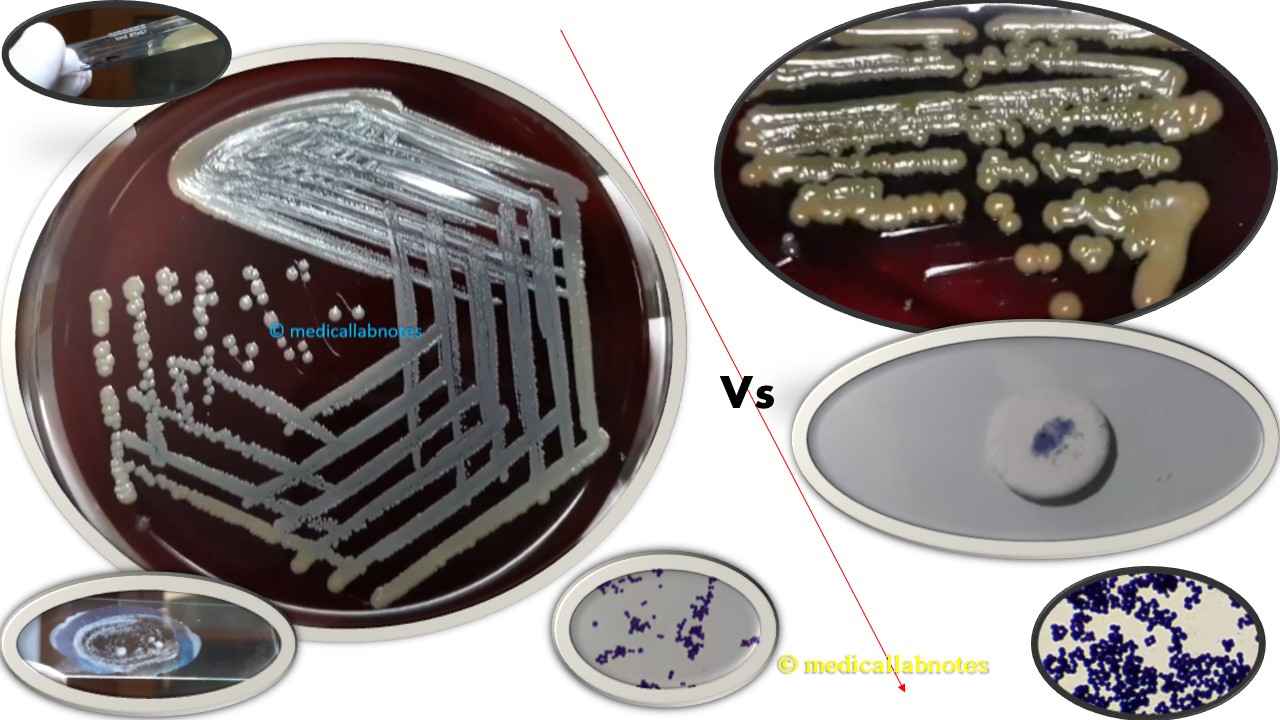
Staphylococcus and Micrococcus: Introduction, Differences, and Keynotes

Differences Between Staphylococcus and Micrococcus

Introduction of Staphylococcus and Micrococcus Staphylococci are Gram-positive bacteria, with diameters of 0.5 – 1.5 µm and non-motile, non-spore-forming facultative anaerobes that grow by aerobic respiration or by fermentation, and they are characterized by individual cocci, which divide in more than one plane to form …

Read more