Serum and Plasma: Introduction, Differences, Keynotes, and Related Footages

Serum and Plasma: Introduction, Differences, Keynotes, and Related Footages
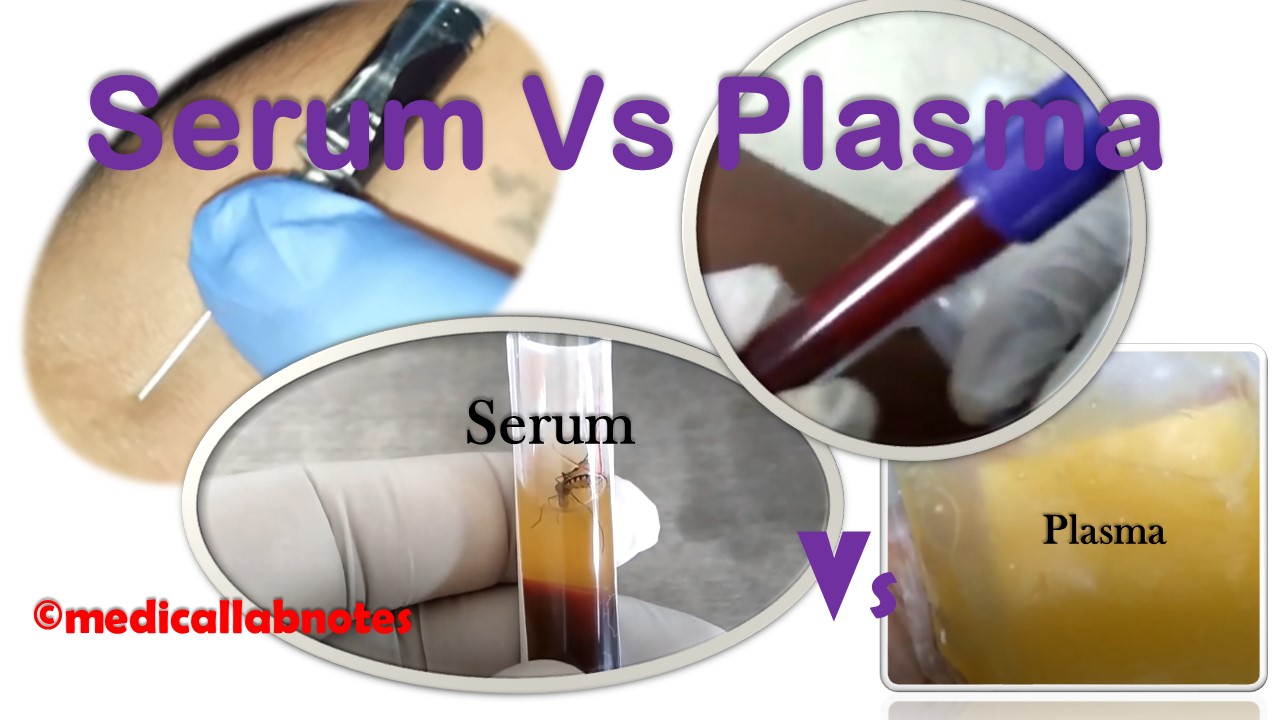
Introduction of Serum and Plasma The serum is a clear yellow fluid that is separated when blood is allowed to clot freely while the plasma is yellowish and slight alkaline fluid, in which blood cells float. Differences between Serum and Plasma S. No Characteristics Serum …

Read more

Cyclospora: Introduction, Classification, Morphology, Pathogenicity Lab Diagnosis, Treatment, Prevention and Keynotes

Cyclospora: Introduction, Classification, Morphology, Pathogenicity Lab Diagnosis, Treatment, Prevention and Keynotes

Introduction of Cyclosphora Cyclosphora cayetamensis is a coccidian parasite and it is a very new parasite first identified and was described by Ortega Gilonan and Sterling in 1994. It creates a pathogenic effect called cyclosporiasis. Classification of Cyclosphora Geographical Distribution of Cyclosphora C. cayetamensis has …

Read more

Human Papillomavirus (HPV) Genes detection using Real-Time PCR: Introduction, Principle, Test Requirements, Procedure, Result Interpretation and Keynotes

Interpretation of Test Results for Human Papillomavirus (HPV) Genes Detection 

 Introduction of Human Papillomavirus (HPV) Genes Detection Human papillomaviruses (HPV) are small double-stranded (ds) DNA viruses that belong to the family of Papillomaviridae. having a circular genome of the size of approximately 7.9-kilobases. There are more than 100 types of HPV that have been identified, …

Read more

Enterobacter aerogenes: Introduction, Identification Features, Keynotes, and Enterobacter aerogenes Footages

Enterobacter aerogenes: Introduction, Identification Features, Keynotes, and Enterobacter aerogenes Footages

Introduction Enterobacter aerogenes is a Risk Group 2 organism and is responsible for nosocomial infection, human and animal diseases and normally present in the gut of vertebrates and also in the environment and thus it may be the organism of concern for on health scheme. …

Read more

Biochemical Test of Gram-Negative Bacteria: Introduction, Common Tests, List of Organisms, Keynotes, and Some Related Footages

Biochemical Test of Gram-Negative Bacteria: Introduction, Common Tests, List of Organisms, Keynotes, and Some Related Footages

Introduction of Biochemical Test of Gram-Negative Bacteria Gram-negative bacteria are the most common etiological agents which are responsible for bacterial infections as well as viral co-infections. Clinical Microbiology Laboratory generally becomes busy due to those isolates. The need for ‘Biochemical Test of Gram-Negative Bacteria’ is …

Read more

Bacterial Video Clips: Introduction, List of Bacteria, and Bacterial Footages with Short Description

Bacterial Video Clips: Introduction, List of Bacteria, and Bacterial Footages with Short Description

Introduction of Human Bacteria Video Clips ‘Bacterial Video Clips’ is a genuine bacterial video footage collection and it is collected by the author. No doubt, it will boost your bacterial journey of study more clearly and practically. List of Bacteria Bacterial Footages with Short Description …

Read more

Citrobacter freundii: Introduction, Identification Features, and keynotes

Citrobacter freundii colony characteristics on CLED agar of Urine Culture

Introduction of Citrobacter freundii Citrobacter freundii is a member of the family, Enterobacteriaceae and it is a Gram-negative bacillus, non-sporing, non-encapsulated, aerobic, or facultative anaerobe that causes various types of infections of the urinary tract, respiratory tract, peritoneum, liver, bone, endocardium, intestines, soft tissue, meninges, …

Read more

Salmonella Typhi: Introduction, Identification Features, Keynotes, and Salmonella Footages

Salmonella Typhi growth on MacConkey, Gram stained image, biochemical tests and Salmonella Typhi and S. Paratyphi on XLD agar

Introduction of Salmonella Typhi Salmonella Typhi is a member of the family, Enterobacteriaceae and it is a Gram-negative bacillus, non-sporing, non-encapsulated, aerobic, or facultative anaerobe of size 2 to 4 × 0.6 µm that causes enteric fever (typhoid fever) and food poisoning or gastroenteritis. Biochemical …

Read more