Pus cells in Urine lacking growth on Culture Media: Introduction, Possible Reasons, and Keynotes
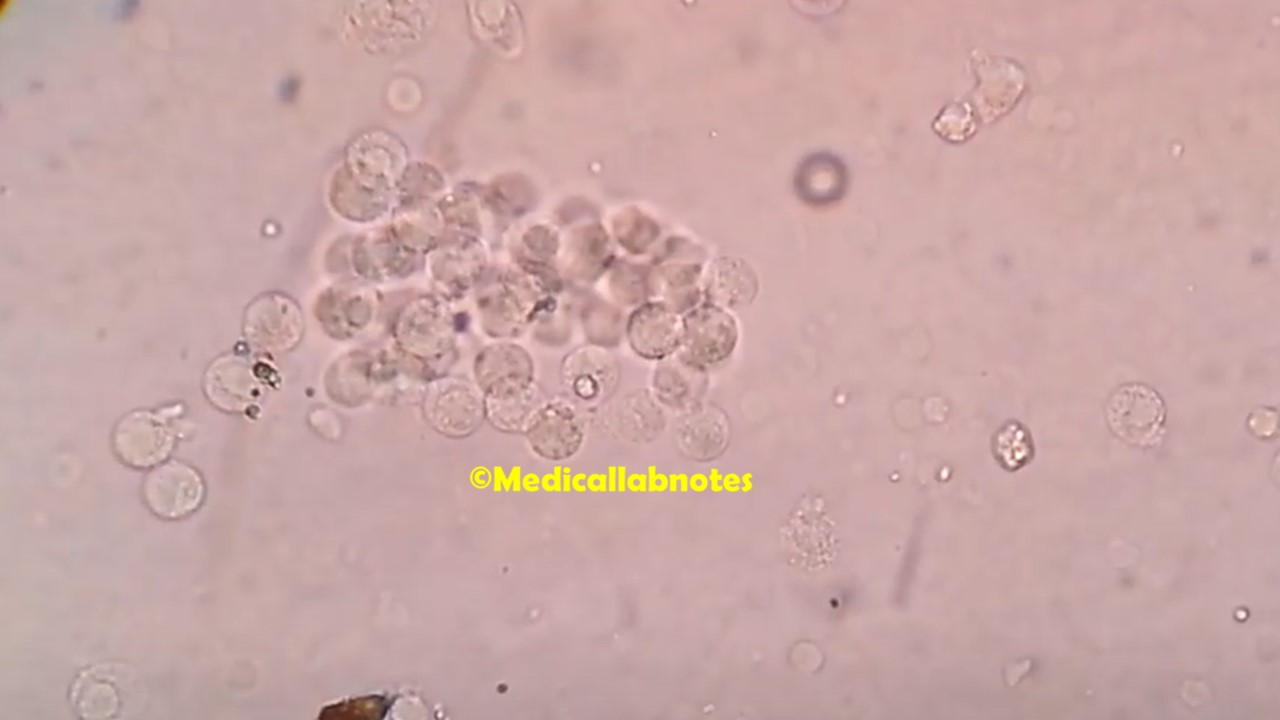
Pus cells in Urine lacking growth on Culture Media

Introduction of Pus cells in Urine lacking growth on Culture Media The presence of pus cells (also known as leukocytes or white blood cells) in urine without the growth of microorganisms on culture media can indicate a condition called sterile pyuria. Sterile pyuria refers to …

Read more

Strongyloides: Introduction, Morphology, Pathogenicity, Lab Diagnosis, Treatment, Prevention, and Keynotes

Strongyloides- Introduction, Morphology, Pathogenicity, Lab Diagnosis, Treatment, Prevention, and Keynotes

Introduction Strongyloides is a genus of parasitic nematodes (roundworms) that includes the species Strongyloides stercoralis, commonly known as the human threadworm or threadworm. These tiny worms are parasitic in nature and can infect humans and other animals. Here is an introduction to Strongyloides: Morphology Strongyloides …

Read more

Absidia: Introduction, Morphology, Pathogenicity, Lab Diagnosis, Treatment, Prevention, and Keynotes

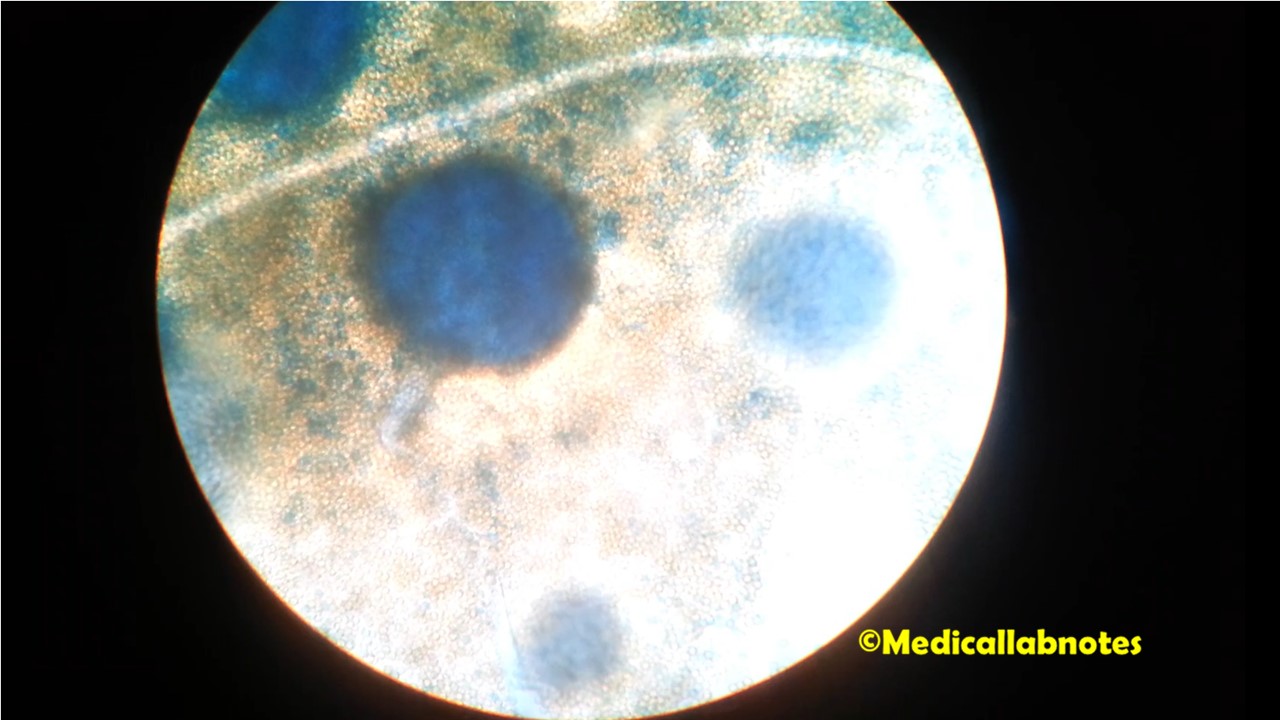
Absidia: Introduction, Morphology, Pathogenicity, Lab Diagnosis, Treatment, Prevention, and Keynotes

Introduction Absidia is a genus of filamentous fungi belonging to the class Zygomycetes. It is a member of the family Mucoraceae, which includes several other genera of molds. The genus Absidia comprises around 40 recognized species, with Absidia corymbifera being the most well-known and frequently …

Read more

Urinary Tract Infection (UTI): Introduction, Types, Sign and Symptoms, Laboratory Diagnosis, Treatment, Prevention and Control, and Keynotes

Urinary Tract Infection (UTI) due to E. coli

Introduction A urinary tract infection (UTI) is a bacterial infection that affects any part of the urinary system, which includes the kidneys, bladder, ureters, and urethra. UTIs are among the most common types of infections, and they can occur in people of all ages, although …

Read more

Sterile Bacteriuria: Introduction, Causes, Related Report, and Keynotes

Urine routine examination report-Sterile Bacteriuria

Introduction Sterile bacteriuria refers to the presence of bacteria in the urine without any signs or symptoms of a urinary tract infection (UTI). In a healthy individual, the urinary tract, including the bladder and kidneys, is generally considered to be sterile. However, in some cases, …

Read more

Bipolar Staining: Introduction, Uses, and Keynotes

Bipolar Staining: Introduction, Uses, and Keynotes

Introduction Bipolar staining refers to a specific pattern of staining observed in certain bacteria during Gram staining, a common laboratory technique used to classify bacteria based on their cell wall characteristics. In a typical Gram stain, bacterial cells are first stained with crystal violet, followed …

Read more

Sterile Pyuria: Introduction, Causes, Related Report, and Keynotes

Urine Culture -No growth on Culture Media

Introduction Sterile pyuria refers to the presence of white blood cells (leukocytes) in the urine without the presence of bacteria or other microorganisms that typically cause urinary tract infections (UTIs). It is called “sterile” because no significant bacterial growth is observed in the urine culture …

Read more

Burkholderia cepacia: Introduction, Morphology, Pathogenicity, Lab Diagnosis, Treatment, Prevention, and Keynotes

Burkholderia cepacia: Introduction, Morphology, Pathogenicity, Lab Diagnosis, Treatment, Prevention, and Keynotes

Introduction Burkholderia cepacia is a species of gram-negative bacteria within the Burkholderia genus. It is a versatile and opportunistic pathogen that can cause infections in both immunocompromised and healthy individuals. B. cepacia is a significant concern, particularly in individuals with cystic fibrosis (CF) and other …

Read more