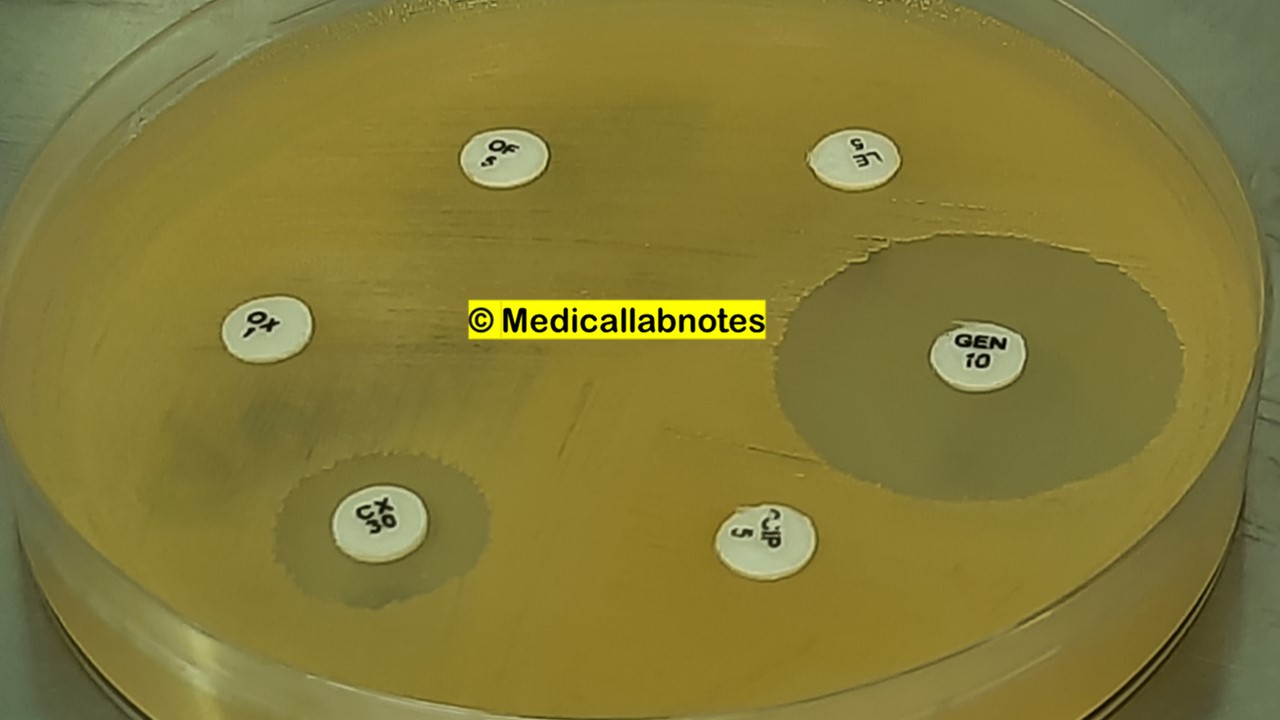
Sputum Culture and Sensitivity: Introduction, Report, Clinical Significance, Common Pathogens, and Keynotes
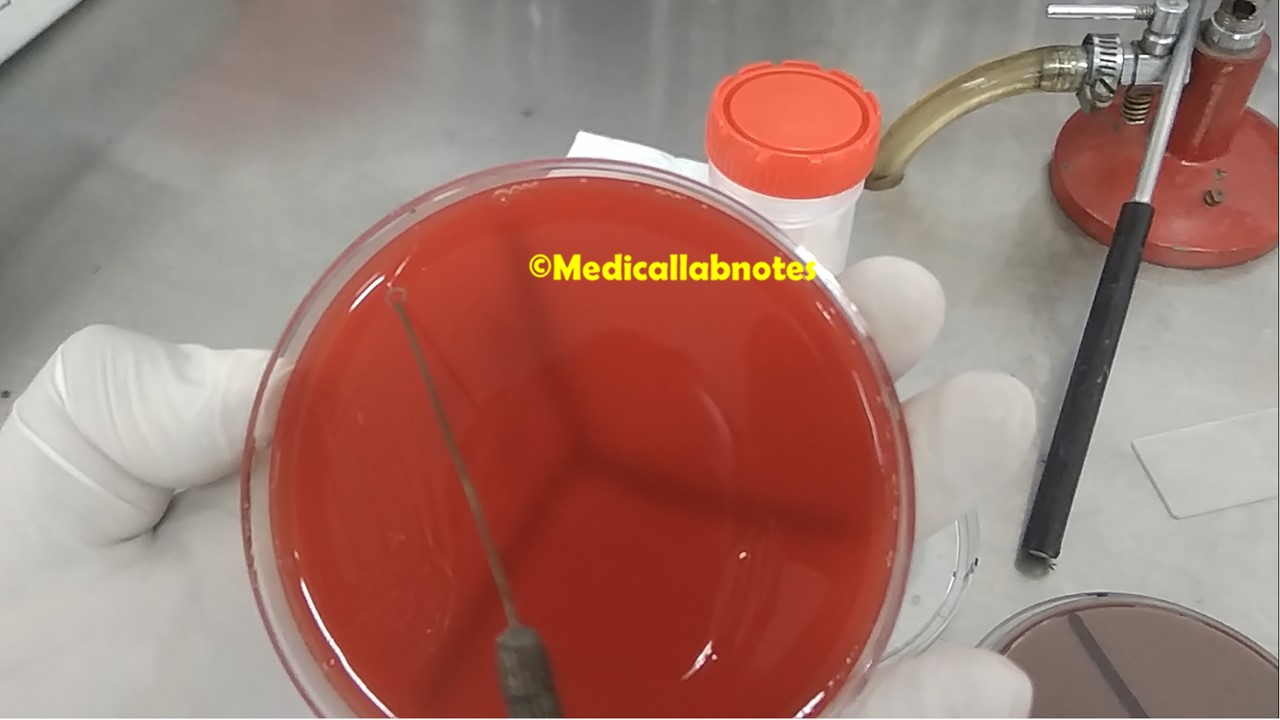
A step of sample inoculation on blood agar for Sputum Culture and Sensitivity

Introduction Sputum culture and sensitivity is a medical laboratory test used to identify and determine the susceptibility of bacteria or other microorganisms present in a patient’s sputum, a mixture of saliva and mucus coughed up from the respiratory tract. This diagnostic test is crucial in …

Read more

Anti-Thyroid Peroxidase (Anti-TPO) Assay: Introduction, Test Result, Unit, Normal Range, Test Method, Clinical Significance, and Keynotes

Anti-Thyroid Peroxidase (Anti-TPO) Assay: Introduction, Test Result, Unit, Normal Range, Test Method, Clinical Significance, and Keynotes

Introduction The Anti-Thyroid Peroxidase (Anti-TPO) assay is a diagnostic test used to measure the levels of anti-thyroid peroxidase antibodies in a person’s blood. Thyroid peroxidase (TPO) is an enzyme found in the thyroid gland, which is responsible for the production of thyroid hormones, such as …

Read more

Semen Culture and Sensitivity: Introduction, Report, Clinical Significance, Common Pathogens, and Keynotes

Semen Culture and Sensitivity: Introduction, Report, Clinical Significance, Common Pathogens, and Keynotes

Introduction Semen culture and sensitivity is a medical test used to evaluate the presence of microorganisms in a man’s semen (ejaculate) and determine their susceptibility to various antibiotics. It is an essential diagnostic tool used to investigate male reproductive health issues, particularly when there are …

Read more

Folic Acid Test: Introduction, Test Result, Unit, Normal Range, Assaying Method, Clinical Significance, and Keynotes

Folic Acid Test Introduction, Test Result, Unit, Normal Range, Assaying Method, Clinical Significance, and Keynotes

Introduction Folic acid, also known as vitamin B9 or folate, is an essential nutrient required for various bodily functions, including cell division, DNA synthesis, and red blood cell formation. Adequate levels of folic acid are particularly crucial during periods of rapid growth, such as pregnancy, …

Read more

Total Iron-Binding Capacity (TIBC) Test: Introduction, Test Result, Unit, Normal Range, Assaying Method, Clinical Significance, and Keynotes

Total Iron-Binding Capacity (TIBC) Test Introduction, Test Result, Unit, Normal Range, Assaying Method, Clinical Significance, and Keynotes

Introduction The Total Iron-Binding Capacity (TIBC) test is a medical diagnostic tool used to assess the body’s capacity to bind and transport iron in the blood. Iron is an essential mineral required for various physiological processes, including oxygen transport and energy production. The TIBC test …

Read more

Eye Flu: Introduction,Causes, Symptoms, Effective Treatment, Prevention and Keynotes

Introduction Eye flu, also known as conjunctivitis, is a common and highly contagious eye infection that affects the conjunctiva, the thin and transparent layer covering the white part of the eye and the inner surface of the eyelids. It is characterized by redness, irritation, and …

Read more

Extended Spectrum Beta-Lactamase (ESBL): Introduction, List of Bacteria, Pathogenicity, Symptoms, Lab Diagnosis, Treatment, Prevention, and Keynotes

Extended spectrum beta lactamase (ESBL) detection using Double-Disc Synergy Test (DDST)

Introduction ESBL stands for Extended-Spectrum Beta-Lactamase. It refers to a group of enzymes produced by certain types of bacteria that can break down and inactivate a broad range of antibiotics called beta-lactams. Beta-lactams include commonly used antibiotics like penicillins, cephalosporins, and carbapenems. ESBL-producing bacteria are …

Read more

Methicillin-resistant Staphylococcus aureus (MRSA): Introduction, Morphology, Pathogenicity, Symptoms, Lab Diagnosis, Treatment, Prevention, and Keynotes

Nasal Methicillin-resistant Staphylococcus aureus (MRSA) Carriage expressing Cefoxitin and Oxacillin Resistance on Muller-Hinton agar (MHA)

Introduction Methicillin-resistant Staphylococcus aureus, commonly known as MRSA, is a type of bacteria that has developed resistance to multiple antibiotics, including methicillin and other beta-lactam antibiotics like penicillin and cephalosporins. Staphylococcus aureus is a bacterium that can naturally colonize the skin and mucous membranes of …

Read more