TORCH Panel: Introduction, Group of Test, Test Device, Clinical Significane, and Keynotes

TORCH Panel Test device showing Rubella IgM -Positive

Introduction and Group of Tests The TORCH panel is a group of blood tests used to screen for certain infections that can affect a developing fetus during pregnancy. The name “TORCH” is an acronym that stands for Toxoplasmosis, Other (syphilis, varicella-zoster virus, parvovirus B19), Rubella, …
Read more

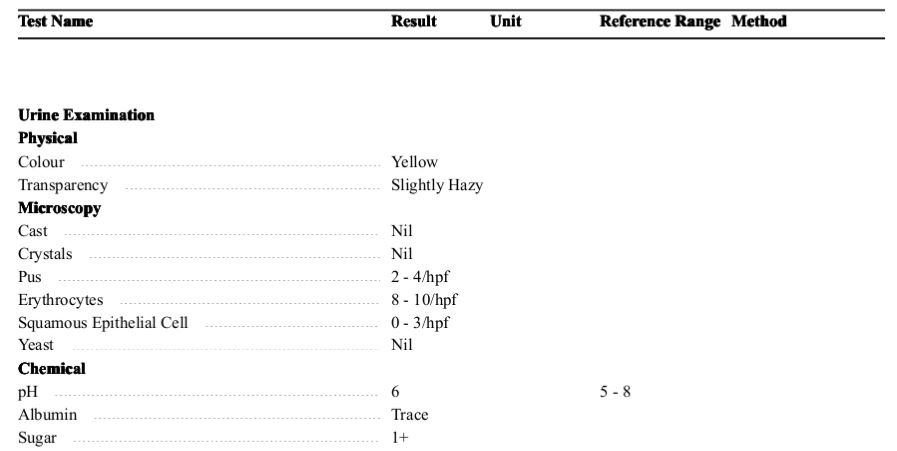
Urine Routine Examination: Introduction, List of Test parameters,Test Report, Clinical Singificance,and Keynotes

Urine Routine Examination

Introduction Urine Routine Examination, also known as Urinalysis, is a common diagnostic test that provides valuable information about a person’s kidney function and overall health. It involves the analysis of a urine sample to assess various components and characteristics of the urine. This non-invasive test …

Read more

Blood Culture: Introduction,Common Blood Pathogens, Test Report, Clinical Singificance,and Keynotes

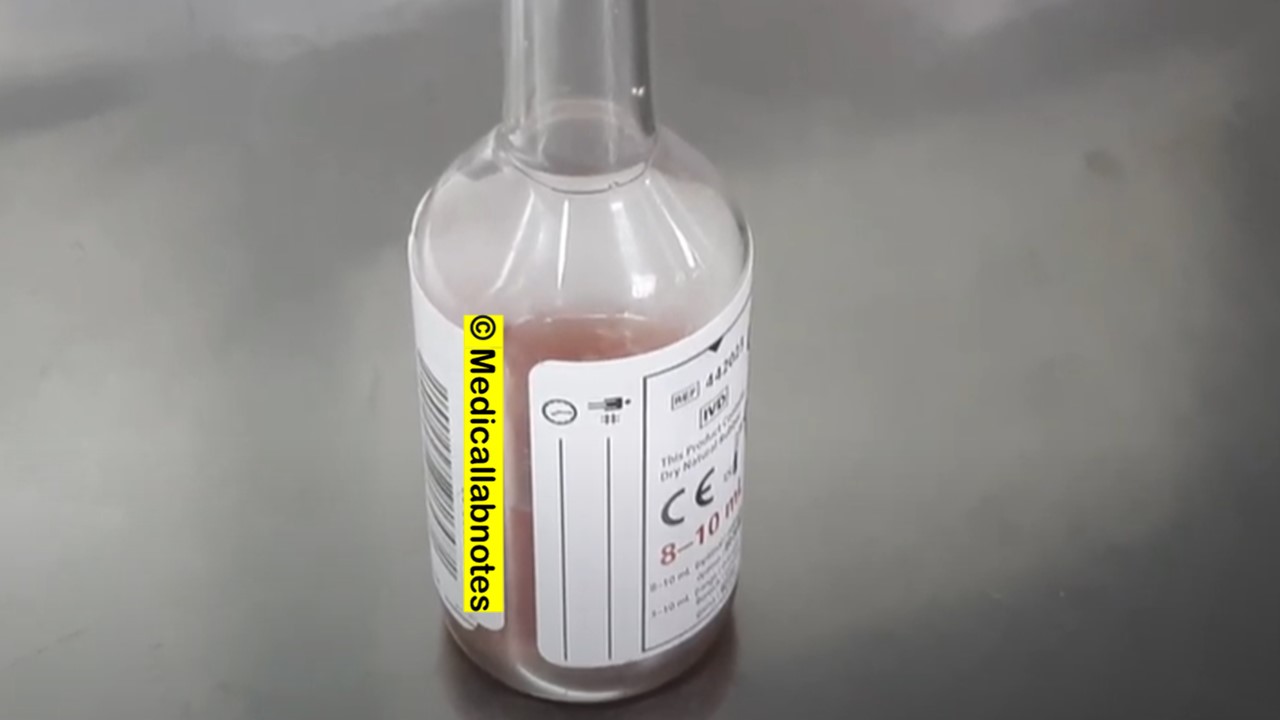
BD BACTEC blood culture vial

Introduction Blood culture is a diagnostic test performed to detect the presence of microorganisms, such as bacteria and fungi, in the bloodstream. It is a critical tool used by healthcare providers to identify and treat bloodstream infections or septicemia, which can be life-threatening if not …

Read more

Blood Iron Test: Introduction, Principle,Test Procedure,Test Result, Unit, Reference Range, Testing Methods,and Keynotes

Blood Iron Test -Introduction, Principle,Test Procedure,Test Result, Unit, Reference Range, Testing Methods,and Keynotes

Introduction The Blood Iron Test, also known as the Serum Iron Test, is a medical examination that measures the level of iron in your blood. Iron is an essential mineral that plays a crucial role in carrying oxygen throughout the body and is a key …

Read more

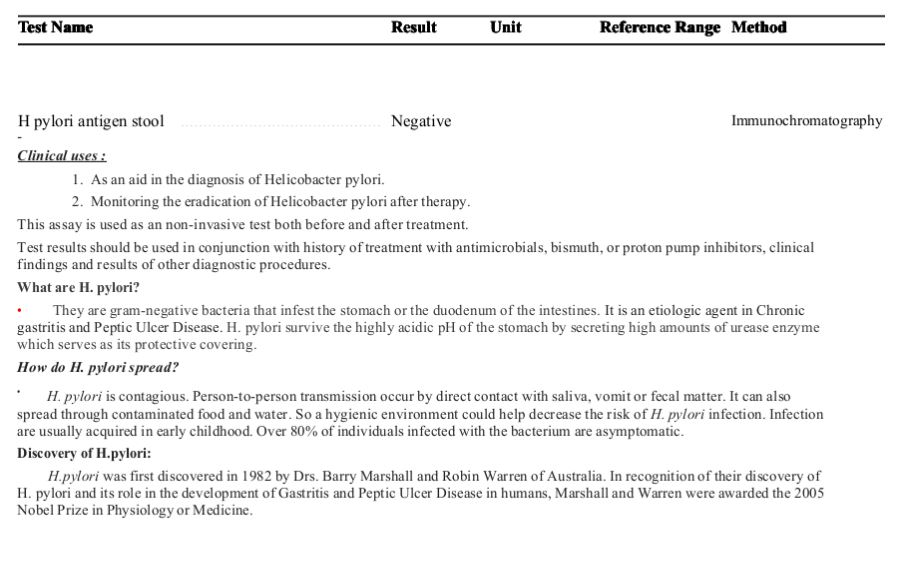
Helicobacter pylori Antigen Test: Introduction, Principle,Test Procedure,Test Result, Unit, Reference Range, Testing Methods,and Keynotes

Helicobacter pylori Antigen Test- Introduction, Principle,Test Procedure,Test Result, Unit, Reference Range, Testing Methods,and Keynotes

Introduction Introduction: Helicobacter pylori (H. pylori) is a bacterium that colonizes the human stomach and is a major cause of various gastrointestinal disorders, including gastritis, peptic ulcers, and even gastric cancer. The discovery of H. pylori‘s role in these diseases revolutionized the field of gastroenterology …

Read more

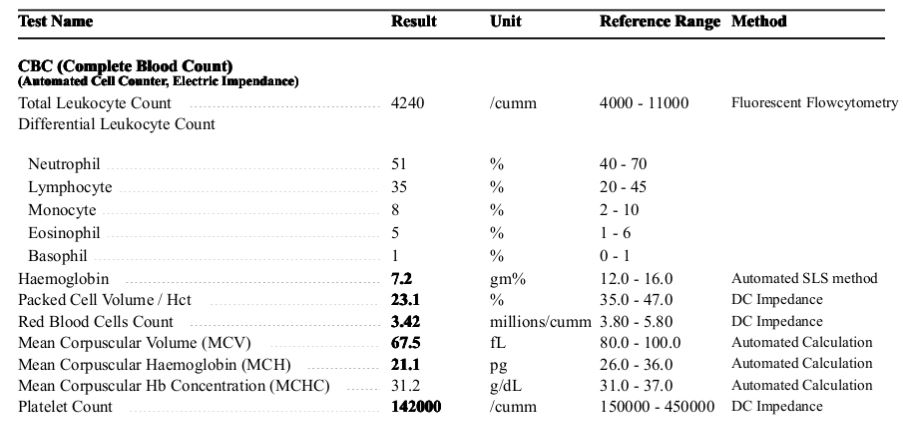
Complete blood count (CBC): Introduction, Test Result, Unit, Reference Range, Testing Methods,and Keynotes

Complete blood count (CBC) Introduction, Test Result, Unit, Reference Range, Testing Methods,and Keynotes

Introduction A Complete Blood Count (CBC) is a common blood test that provides valuable information about the cellular components of the blood. It measures various parameters, such as red blood cells (RBCs), white blood cells (WBCs), and platelets, as well as other related indices. The …

Read more

Urine Microalbumin Test: Introduction, Test Result, Unit, Reference Range, Testing Method,and Keynotes

Urine Microalbumin Test Introduction, Test Result, Unit, Reference Range, Testing Method,and Keynotes

Introduction The Urine Microalbumin Test is a diagnostic test that measures the levels of microalbumin in urine. It is primarily used to assess kidney function and detect early signs of kidney damage, particularly in individuals with conditions such as diabetes, hypertension, or other conditions that …

Read more

Anti -TPO Assay: Introduction, Test Result, Unit, Normal Range, Assaying Method, and Keynotes

Anti -TPO Assay Introduction, Test Result, Unit, Normal Range, Assaying Method, and Keynotes

Introduction The Anti-Thyroid Peroxidase (Anti-TPO) assay is a laboratory test used to detect and measure the presence of antibodies against thyroid peroxidase in the blood. Thyroid peroxidase is an enzyme involved in the production of thyroid hormones in the thyroid gland. The Anti-TPO assay is …

Read more