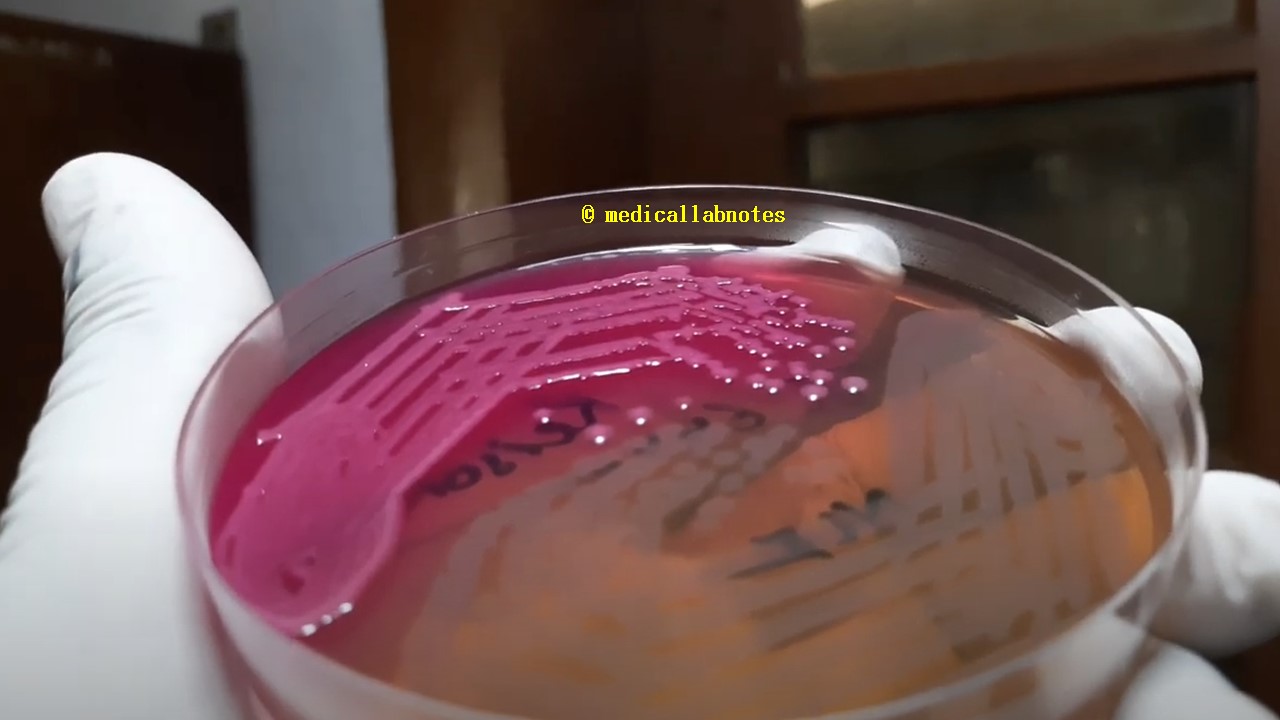
Proteus mirabilis: Introduction, Identification Features, Keynotes, and Proteus Footages
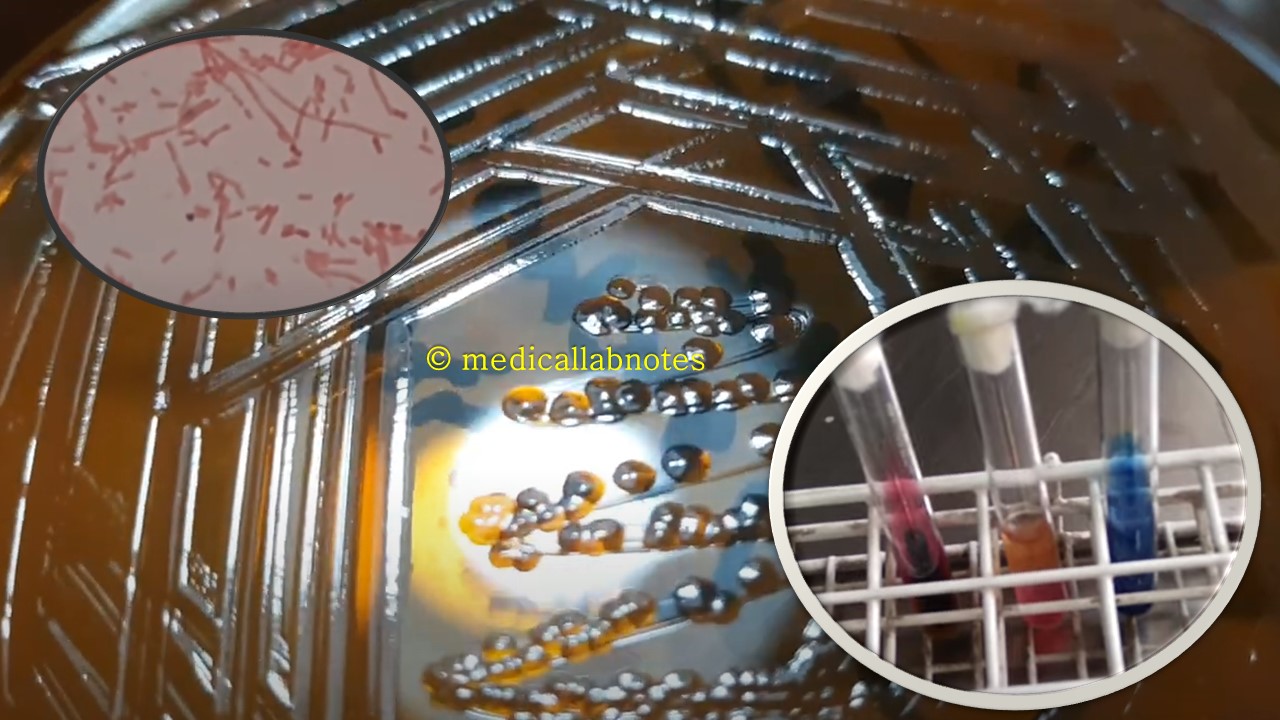
Proteus mirabilis-Introduction, Identification Features, Keynotes, and Proteus Footages

Introduction of Proteus mirabilis The genus Proteus was discovered in 1885 by Hauser and it is also named after a Greek god.  Proteus is a member of the family, Enterobacteriaceae and it is a Gram-negative, oxidase-negative, fimbriated, motile, non-sporing rod-shaped bacterium without capsule and having a size …

Read more

Bile Esculin Test: Introduction, Principle, Test Requirements, Procedure, Result Interpretation, Uses, Limitation, Keynotes, and Related Footages

Bile Esculin Test: Introduction, Principle, Test Requirements, Procedure, Result Interpretation, Uses, Limitation, Keynotes, and Related Footages

Introduction of Bile Esculin test Bile esculin test is widely used to differentiate Enterococci from streptococci, other than streptococcus bovis as well as Yersinia enterocolitica from food and animal feeding stuff and Listeria monocytogenes which are bile tolerant and can hydrolyze esculin to esculetin, it reacts …

Read more

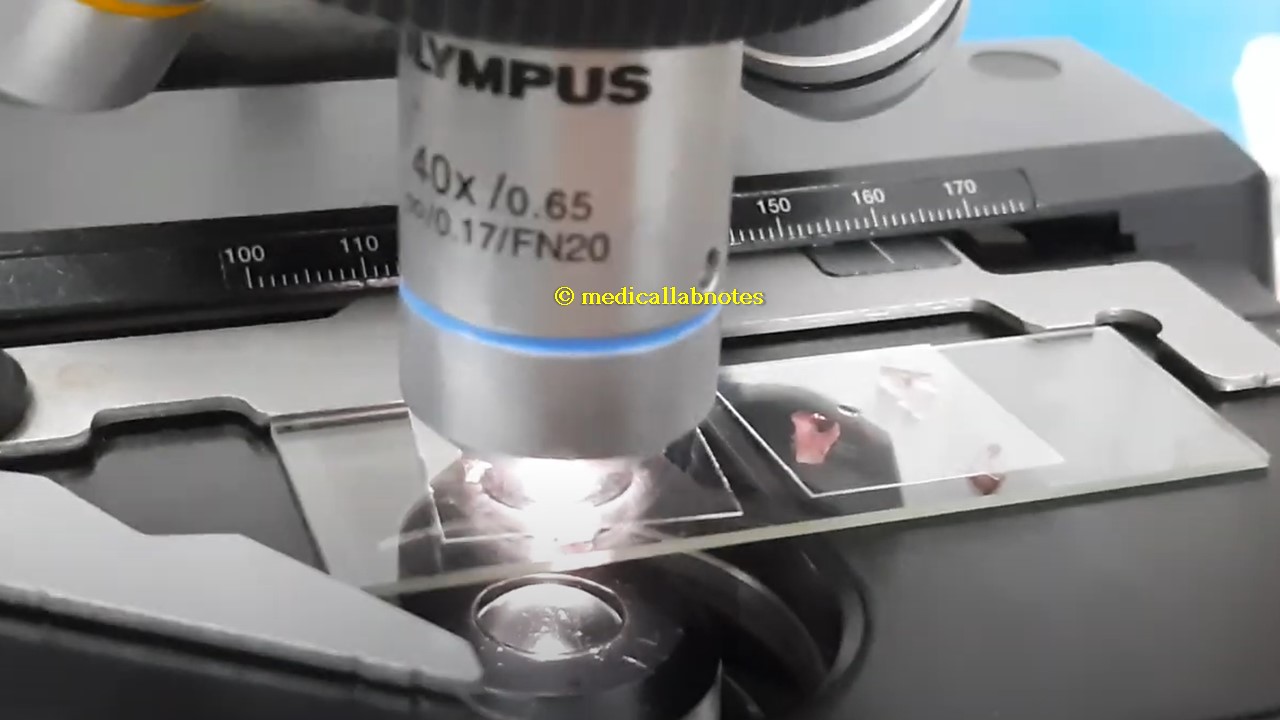
Hanging Drop Preparation: Introduction, Test Requirements, Procedure, Result-Interpretation, Keynotes, and Bacterial Motility Footages

Prepared hanging drop ready for microscopy

Introduction of Motility Test for Bacteria/ Hanging Drop Preparation Bacteria are motile due to having flagellum/flagella. On the flagella, bacteria are motile and non-motile and therefore some bacteria are motile (Vibrio cholerae, E. coli, Proteus species, etc.) whereas some others are non-motile like Klebsiella, Shigella, …

Read more

Klebsiella pneumoniae: Introduction, Identification Features, Keynotes, and Klebsiella pneumoniae Footages

Klebsiella pneumoniae biochemical tests in TSI, SIM, Citrate and Urea agar

Introduction The genus Klebsiella is from the surname of  German-Swiss microbiologist Edwin Klebs (1834–1913). Klebsiella is a member of the family, Enterobacteriaceae and it is a Gram-negative, oxidase-negative, fimbriated, non -motile, non-sporing rod-shaped bacterium with a prominent polysaccharide-based capsule and having a size of 0.5 to 0.8 …

Read more

E. coli: Introduction, Identification Features, Keynotes, and Escherichia coli Footages

Biochemical reactions of E. coli in TSI, SIM, urea and citrate agar

Introduction of E. coli Escherichia coli is a member of the family, Enterobacteriaceae and it is a Gram-negative, aerobe, and facultative anaerobic, rod-shaped bacterium. The optimal temperature for growth is 36-37°C with most strains growing over the range 18-44 °C. It is a commensal that is found …

Read more

Enterobacteriaceae: Introduction, Phenotypic Features, Keynotes, and Related photos

Enterobacteriaceae: Introduction, Phenotypic Features and Keynotes and Related photos

Introduction of Enterobacteriaceae The family Enterobacteriaceae was first proposed by Rahn in 1936 and it is a very large group of gram-negative bacteria that possess a number of common morphological and biochemical properties and similar DNA base compositions. The widely used systems for the classification …

Read more

Lactose Fermenter (LF) and Non-Lactose Fermenter (NLF) Gram-Negative Bacteria: Introduction, List of LF and NLF Bacteria, and Keynotes

LF and NLF Colonies of Klebsiella and Pseudomonas on MacConkey medium

Introduction of LF and NLF Gram-Negative Bacteria on MacConkey Medium MacConkey agar/ medium is recommended for use as a selective, differential, and indicator growth medium for the isolation of gram-negative bacilli including coliform organisms and enteric pathogens, on the basis of lactose fermentation. Peptones (meat …

Read more

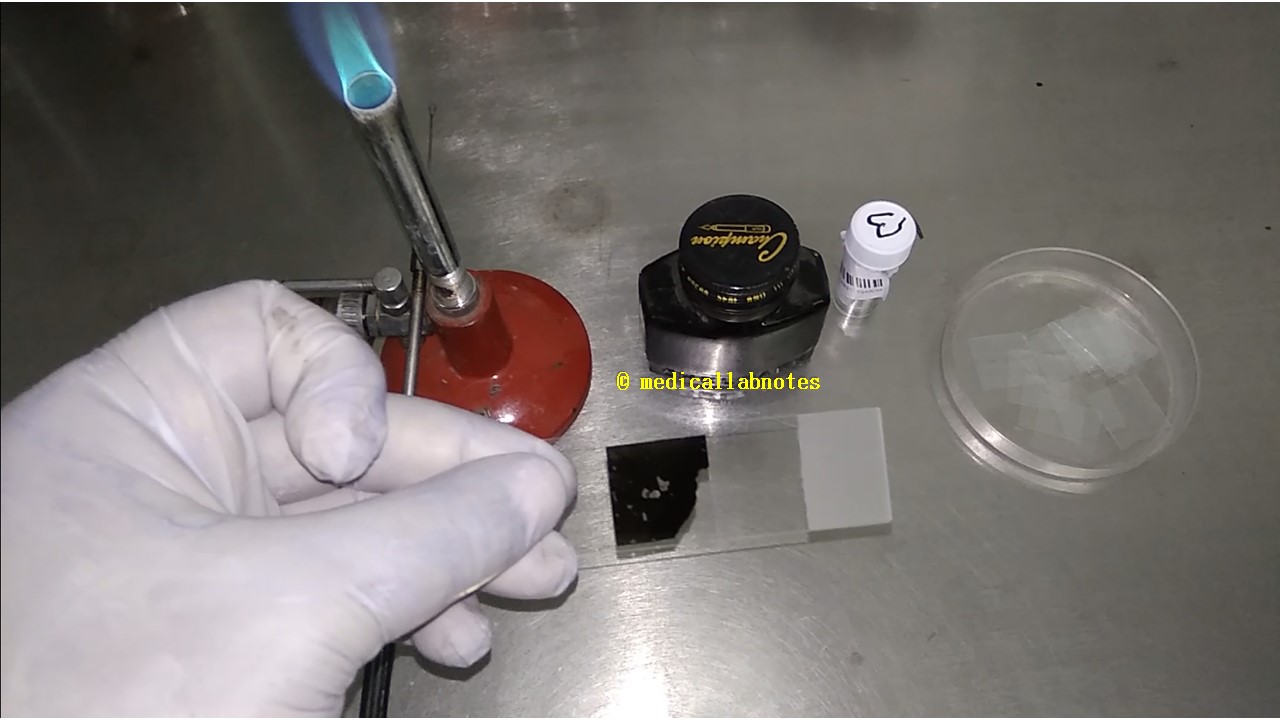
India Ink Preparation: Introduction, Principle, Test Requirements, Procedure, Result-Interpretation, Uses, Keynotes, and Negative Staining Footages

India Ink Preparation: Introduction, Principle, Test Requirements, Procedure, Result-Interpretation, Uses and Keynotes

Introduction of India Ink Preparation Cryptococcal meningitis occurs in immunodeficient patients and when meningitis is clinically suspected, for example, patients with HIV/AIDS, or when yeast cells with lymphocytes are detected when performing Cerebrospinal fluid (CSF) cell count or examining Gram smear, examine India ink preparation …

Read more