Extended Spectrum Beta-Lactamase (ESBL): Introduction, List of Bacteria, Pathogenicity, Symptoms, Lab Diagnosis, Treatment, Prevention, and Keynotes

Extended spectrum beta lactamase (ESBL) detection using Double-Disc Synergy Test (DDST)

Introduction ESBL stands for Extended-Spectrum Beta-Lactamase. It refers to a group of enzymes produced by certain types of bacteria that can break down and inactivate a broad range of antibiotics called beta-lactams. Beta-lactams include commonly used antibiotics like penicillins, cephalosporins, and carbapenems. ESBL-producing bacteria are …

Read more

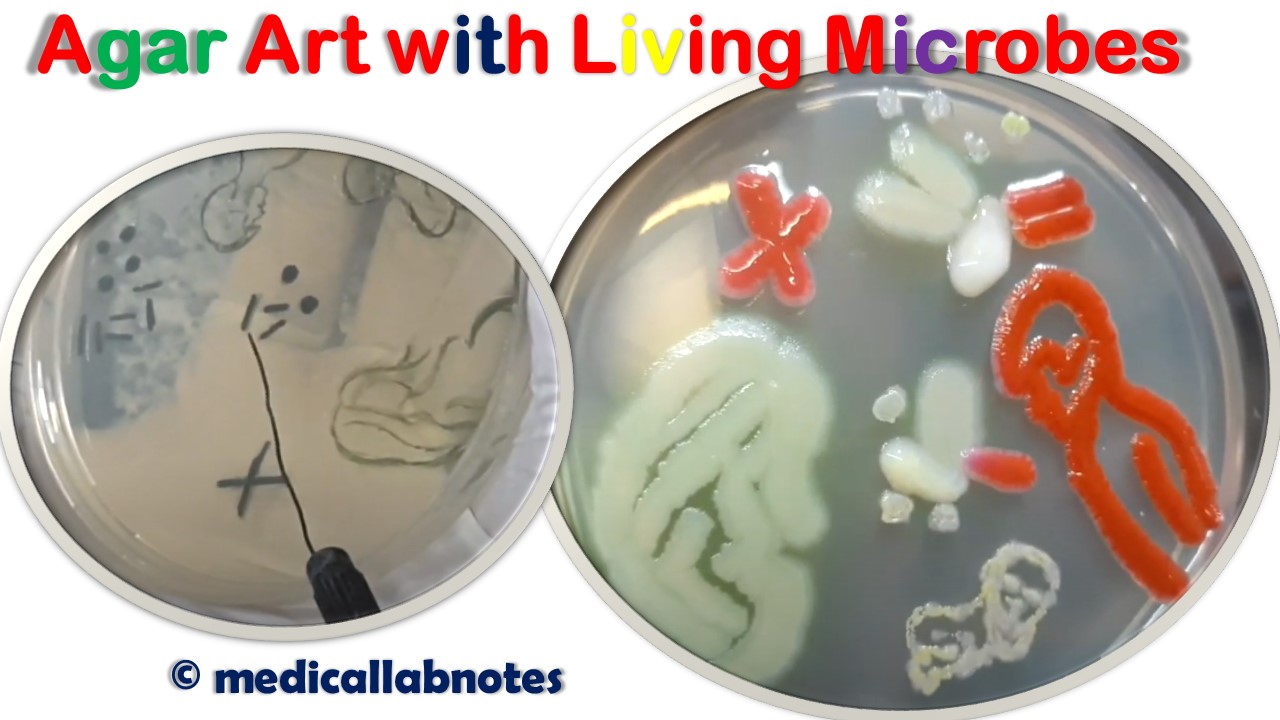
Agar Art with Living Microbes: Introduction, Requirements, Making Procedure, Application, and Keynotes

Agar Art with Living Microbes: Introduction, Requirements, Making Procedure, Application, and Keynotes

Introduction of Agar Art with Living Microbes Agar art or microbial art or agar art with living microbes and germ art are the synonyms in which artwork is created by culturing microbes in certain patterns. The microorganisms used can be bacteria, yeast fungi, or protists …

Read more

Biochemical Test of Gram-Negative Bacteria: Introduction, Common Tests, List of Organisms, Keynotes, and Some Related Footages

Biochemical Test of Gram-Negative Bacteria: Introduction, Common Tests, List of Organisms, Keynotes, and Some Related Footages

Introduction of Biochemical Test of Gram-Negative Bacteria Gram-negative bacteria are the most common etiological agents which are responsible for bacterial infections as well as viral co-infections. Clinical Microbiology Laboratory generally becomes busy due to those isolates. The need for ‘Biochemical Test of Gram-Negative Bacteria’ is …

Read more

Gram-negative bacilli bacteria: Introduction, List of Bacteria, Keynotes, and Related Footage

Introduction of Gram-Negative Bacilli (GNB) Bacteria ‘Gram Positive Negative (GNB)‘ is also called Gram Negative Rods (GNR) bacteria which take safranin after decolorization and stain pink or red on Gram’s staining. The most of GNR bacteria are medically important and among them few are Escherichia …

Read more

Klebsiella pneumoniae: Introduction, Identification Features, Keynotes, and Klebsiella pneumoniae Footages

Klebsiella pneumoniae biochemical tests in TSI, SIM, Citrate and Urea agar

Introduction The genus Klebsiella is from the surname of  German-Swiss microbiologist Edwin Klebs (1834–1913). Klebsiella is a member of the family, Enterobacteriaceae and it is a Gram-negative, oxidase-negative, fimbriated, non -motile, non-sporing rod-shaped bacterium with a prominent polysaccharide-based capsule and having a size of 0.5 to 0.8 …

Read more